



 Achy Muscles
 Arthrite, bursite et tendinite
 Mal de dos
 Fibromyalgie
 Douleur au pied et au bas de la jambe
 Joint Pain
 Knee Pain
 Douleur au cou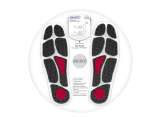

If you're researching pain relief devices, you've likely encountered terms like "TENS unit" and "muscle stimulator" (or EMS device). While these terms are sometimes used interchangeably, they represent fundamentally different approaches to managing discomfort.
Understanding what sets them apart (and why you might not need to choose between them) can help you make a more informed decision about your pain management strategy.
What is a TENS unit?
TENS stands for Transcutaneous Electrical Nerve Stimulation. A TENS unit is a pain relief device that delivers low-voltage electrical impulses through electrode pads placed on your skin. These gentle electrical signals work by stimulating sensory nerve endings, which helps disrupt pain signals traveling to your brain.
The science behind TENS therapy involves what's known as the gate control theory of pain. Essentially, the electrical stimulation activates nerve fibers that can "close the gate" on pain transmission, preventing discomfort signals from reaching your brain. TENS therapy may also encourage your body's natural production of endorphins—your body's own pain-relieving compounds.
Common uses for TENS units include:
- Chronic back and neck pain
- Arthritis discomfort
- Post-surgical pain
- Sports injuries
- Nerve-related pain
- Menstrual cramps
Key benefits: TENS therapy provides temporary, drug-free pain relief that's non-invasive and portable. Users typically experience a gentle tingling sensation rather than discomfort.
Important limitations: Traditional TENS units only address pain signal transmission. They don't directly treat underlying muscle tension that often accompanies and perpetuates pain. Additionally, because standard TENS devices use repetitive stimulation patterns, your nervous system can adapt over time, a phenomenon called accommodation, which may reduce effectiveness with continued use.
What is a muscle stimulator (EMS)?
EMS stands for Electrical or Electric Muscle Stimulation. Unlike TENS, which targets sensory nerves, EMS machines send electrical impulses directly to motor nerves that control muscle movement. This causes muscles to contract and relax in rhythmic patterns, similar to what happens during voluntary exercise.
When muscles contract and relax repeatedly, several beneficial effects occur: blood flow increases to the treated area, tight muscle knots may release, and muscle fibers receive stimulation that can help maintain strength and function.
Common uses for EMS devices include:
- Muscle recovery after injury or surgery
- Preventing muscle atrophy during periods of immobility
- Reducing muscle spasms
- Improving circulation in tight or restricted muscles
- Post-workout muscle recovery
- Rehabilitation and muscle re-education
Key benefits: EMS can help address the muscular component of pain by releasing tension, increasing local circulation, and supporting muscle function.
Important limitations: Standard EMS devices aren't designed for pain relief—they focus exclusively on muscle stimulation. The stronger contractions can feel uncomfortable or even intense for some users, and EMS alone doesn't address the nerve-based pain signals that TENS targets.
TENS and EMS units: Key differences
While some devices now combine TENS and EMS capabilities, most still operate with fixed stimulation patterns and address only these two aspects of pain management.
|
TENS Unit |
EMS / Muscle Stimulator |
|
|
Primary Purpose |
Pain signal disruption |
Muscle contraction and strengthening |
|
Target |
Sensory nerve endings |
Motor nerves and muscle tissue |
|
Sensation |
Gentle tingling without movement |
Visible muscle contraction |
|
Common Applications |
Chronic pain, arthritis, nerve pain |
Muscle recovery, preventing atrophy |
|
Intensity |
Lower voltage |
Higher voltage for muscle response |
|
Recovery Benefits |
Temporary pain relief during use |
Improved circulation, muscle function |
Why you shouldn't have to choose
Here's what most comparisons of TENS vs EMS miss: Pain is rarely just about nerve signals or just about muscles. In reality, these systems work together in complex ways.
Consider chronic back pain. The pain signals traveling through your nerves are certainly part of the problem—but so is the protective muscle tension that develops around the painful area. Your muscles tighten to guard against further injury, but this tension restricts blood flow, limits movement, and often creates additional discomfort. The pain causes tension; the tension perpetuates pain. It's a cycle.
Traditional single-function devices ask you to address only one piece of this puzzle. A standard TENS unit might temporarily block pain signals, but it does nothing for the underlying muscle tension. An EMS device might help tight muscles relax, but it doesn't address the nerve-based pain component.
There's another significant limitation with conventional devices: Nervous system accommodation. When your body receives the same repetitive electrical pattern over time, it becomes less responsive. The therapy that worked well initially may gradually lose effectiveness—not because your condition has changed, but because your nervous system has adapted to the predictable stimulation.
This is why a more comprehensive approach makes sense.
DR-HO'S 4-in-1 AMP technology: A complete approach
DR-HO'S proprietary 4-in-1 AMP Technology provides a comprehensive approach that addresses multiple aspects of pain simultaneously, offering more complete relief than single-function devices. Rather than choosing between nerve stimulation or muscle stimulation, AMP Technology integrates four complementary technologies that work synergistically with your body's natural processes.
The four components of our AMP technology are:
-
TENS (Transcutaneous Electrical Nerve Stimulation) sends low-voltage electrical impulses through your skin to stimulate sensory nerve endings and disrupt pain signals before they reach your brain, providing immediate relief. This foundational pain relief mechanism engages the gate control theory, helping block pain transmission while triggering your body's natural endorphin release.
-
EMS (Electrical Muscle Stimulation) causes muscles to contract and relax rhythmically, which can help release tight knots. For hip osteoarthritis, where chronic pain often leads to muscle tension and protective guarding, this gentle rhythmic action helps ease the tightness that compounds joint discomfort.
-
NMES (Neuromuscular Electrical Stimulation) targets specific nerve pathways for deeper muscle contractions, helping to re-educate muscles, increase local circulation, and improve range of motion. This is particularly valuable for hip osteoarthritis, where weakened hip muscles and altered movement patterns are common. By promoting healthy nerve-muscle interaction, NMES supports the functional strength needed to stabilize and protect the hip joint.
-
Auto-Modulating Pulses continuously vary the electrical impulses across over 300 stimulation patterns to maintain the effectiveness of the therapy. Your body doesn't have the opportunity to adapt to predictable stimulation because the patterns are constantly evolving in subtle, intelligent ways.
These four technologies don't just coexist—they work together. While TENS addresses immediate pain signals and EMS releases muscle tension, NMES provides deeper therapeutic benefit and improves functional capacity. Meanwhile, the Auto-Modulating Pulses help all three remain effective over time. This integrated approach addresses both the immediate experience of pain and the underlying factors that perpetuate it.
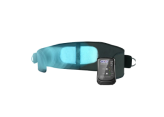
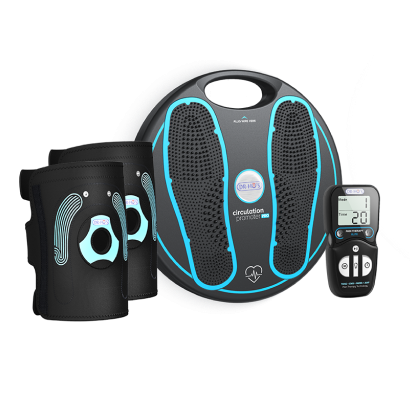
High-level overview of DR-HO’S devices:
|
|
This portable and drug-free medical device seamlessly integrates TENS, EMS, and NMES technology with cutting-edge AMP Pain Relief Technology, allowing you to manage your pain effortlessly wherever you are. |
|
|
|
|
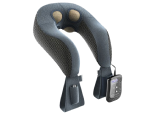
DR-HO'S Neck Pain Pro is the only neck support cushion with built-in muscle and nerve stimulation. Equipped with DR-HO’S AMP Pain Relief Technology, it can relieve and relax your neck and shoulder pain. |
|
|
DR-HO’S Triple Action Back Belt is a wearable back support with a built-in nerve and muscle stimulator that not only supports your back, but also helps to relieve your back pain and sciatica pain using our patented AMP Pain Relief technology. |
Choosing the right device for your needs: Questions to ask
When selecting a TENS unit, consider these factors beyond just the initial price:
|
1. What type of pain are you treating? |
|
|
2. How frequently will you use the device? |
|
|
3. What are your specific needs and limitations? |
|
|
4. What is your total pain management budget? |
|
Best practices for using your DR-HO’S device
To get the most benefit from your DR-HO'S device, follow these guidelines:
-
Preparation: Always start with clean, dry skin. A quick wash with mild soap and water helps ensure your electrodes make good contact and stay in place throughout your session.
-
Electrode maintenance: Check your electrodes before each use. They should feel sticky and adhere well to your skin. Spray the pads with water before and after each use to maintain their adhesive quality.
-
Starting your session: Begin with your device turned off when placing or adjusting electrodes. Once properly positioned, start with the lowest intensity setting and gradually increase to a comfortable level.
-
Session duration: Start with shorter sessions of 15-20 minutes. You can gradually find the duration that works best for your specific needs.
-
Frequency: You can use your DR-HO'S device daily as part of your wellness routine. Many users find that strategic timing throughout the day provides optimal relief:
-
Morning sessions: Start your day right by addressing any stiffness or discomfort that developed overnight
-
Throughout the day: Take short breaks to manage discomfort before it builds up
-
Evening relief: End your day with a session to help your muscles relax and recover
-
After your session: Always turn off your device before removing electrodes. Store them on the provided protective film to maintain their stickiness between uses.
Safety considerations
While your DR-HO'S TENS device is Health Canada-Authorized and FDA-cleared and designed with your safety in mind, it's important to follow these precautions:
Areas to avoid:
- Eyes, forehead, temples and the surrounding area
- Mouth
- Front of the neck or throat
- Over the heart and chest area
- Irritated, broken skin, or wounds
- Directly over the spinal column
- Any areas with tumors
Special considerations:
- Do not use while pregnant
- If you have cardiac concerns, consult your healthcare provider before use
- Do not use with a pacemaker or similar device
- Always remove jewelry or metal objects from the area where you'll be placing electrodes
When to seek medical advice:
If pain persists, worsens, or is accompanied by other concerning symptoms (e.g., swelling, redness, fever, or numbness), consult a healthcare provider to identify and address the underlying cause.
Conclusion: Making an informed decision
It's understandable why shopping for pain relief devices can feel overwhelming. At first glance, many units look remarkably similar—small devices with electrode pads and digital controls. Yet the price tags can range from $30 to several hundred dollars, leaving you wondering what justifies the difference. When you're uncertain whether electrical stimulation will even work for your specific pain, starting with the least expensive option seems logical.
But here's what matters: What's happening beneath that plastic casing.
As we've explored throughout this article, devices that appear identical on the outside can employ vastly different technologies. A basic TENS unit delivers repetitive electrical patterns to temporarily mask pain signals. A standard EMS device causes muscle contractions without addressing nerve-based discomfort. And while some combination units include both TENS and EMS, they still typically rely on fixed, predictable stimulation patterns that your nervous system can adapt to over time.
DR-HO'S 4-in-1 AMP Technology takes a fundamentally different approach. By integrating TENS, EMS, and NMES with Auto-Modulating Pulses that continuously vary across over 300 patterns, these devices work with your body's natural processes in ways that single-function alternatives simply cannot replicate. This isn't just about having more features—it's about addressing the full complexity of pain through synergistic technologies.
At the end of the day, investing in a pain relief device is an investment in your well-being and your ability to manage discomfort on your own terms. It's difficult to put a price on regaining activities you've avoided, sleeping more comfortably, or reducing your reliance on medications. Quality matters when it comes to something that directly impacts your daily life.
What's more, a device like the Pain Therapy System becomes an invaluable addition to your family's wellness toolkit. While you might initially purchase it with one specific injury or chronic condition in mind, it continues to serve multiple family members over time. Whether someone is dealing with age-related aches, recovering from a sports injury, or simply experiencing stiffness and muscle exhaustion from daily work and life, comprehensive electrical stimulation therapy offers drug-free relief that adapts to varied needs.
When you choose DR-HO'S, you're not just buying a device—you're gaining access to advanced pain-relief technology that is clinically-tested and time-tested. It is a doctor-developed device that provides temporary relief while supporting long-term comfort and function.
Explore DR-HO'S innovative devices and discover how our proprietary 4-in-1 AMP Technology can make a meaningful difference in how you manage pain and maintain your quality of life.

Système de traitement de la douleur à 4 coussinets - Pack essentiel
$194.97 CAD
Disclaimer: DR-HO'S content is intended for informational purposes only and should not be taken as medical advice. Please consult a certified medical professional for diagnosis and treatment recommendations.