

 Achy Muscles
 Arthritis, Bursitis & Tendonitis
 Back Pain
 Fibromyalgia
 Foot & Lower Leg Pain
 Joint Pain
 Knee Pain
 Neck Pain

Suffering from aching leg pain and stiffness? It could be the result of poor circulation in your lower body. Read on to discover just how circulation is connected to pain, and most importantly a few solutions to help you minimize any leg pain you may experience from poor circulation.
How to Relieve Leg Pain from Poor Circulation: Can Poor Circulation Cause Leg Pain?
Poor circulation can certainly cause pain in the lower body, particularly aching in the feet which can radiate up into the calf muscles and knees.
A healthy circulation system transports blood, oxygen and nutrients throughout the entire body, providing organs with the fuel they need to function properly. Good circulation is especially important for muscle function in the legs — so you can do all the things you love to do and live the life you want to live.
However if you are experiencing poor circulation, your blood is not able to circulate fully, and in turn oxygen and nutrients are unable to reach muscle tissue in the leg effectively. This can lead to stiffness, cramping and pain in the lower body.
What Does Leg Pain from Poor Circulation Feel Like?
If you're experiencing any of the following painful symptoms, you may be experiencing poor circulation in the legs:
-
Constant foot pain
-
Muscle cramping (especially when walking)
-
Pain and throbbing in the calf muscles (especially after sitting)
-
Wounds that don't seem to heal in the legs, feet, and toes
-
Numbness or tingling in the feet
-
Aching in the feet after warming up
What Are the Symptoms of Poor Circulation in the Legs?
1. Cold Sensation
If your feet are often colder than the rest of your body, it's possible that blood is not adequately circulating to this area. That's because it's more difficult for blood to pump its way into the feet due to its distance from the heart.
2. Swelling
In some cases, a lack of circulation causes a buildup of fluids in the body that may lead to swelling felt in the legs, ankles or feet. If you have unexplained pain and swelling, this could be why.
3. Varicose Veins and Ulcers
When blood cannot circulate properly, it may begin to pool in large volumes. Varicose veins look like knots under the skin and make it more difficult for blood to return to the heart. When blood collects, it impedes the body's ability to heal; this can lead to ulcers in the legs and feet. Ulcers and nonhealing wounds caused by circulation problems carry a higher risk of serious complications if they are not evaluated promptly.
4. Blue Skin
The feet may appear blue in severe cases of neuropathy. This skin discoloration occurs when the arterial blood cannot reach the feet tissue.
5. Difficulty Concentrating
In some extreme cases, if blood is unable to make its way to the brain, you could experience cognitive dysfunction or difficulty. A loss of memory or difficulty concentrating could be the result of poor circulation. Abnormal changes in blood pressure are key indicators of circulatory problems.

What Causes Poor Circulation and Pain in the Legs?
Some of the most common risk factors for poor circulation in the legs include tobacco use, obesity, age over 40, and sitting still for long periods, which can restrict blood circulation; tobacco use also constricts blood vessels and accelerates plaque buildup.
There are also a variety of underlying conditions that can be related to poor circulation. These conditions include:
-
Atherosclerosis or Peripheral Artery Disease (PAD): This condition develops as a result of plaque buildup in the blood vessels or arteries, and high cholesterol and high blood pressure can damage artery walls and worsen blood flow. As these pathways narrow, it becomes more difficult to circulate blood.
-
Diabetes: Individuals with diabetes are susceptible to damaged blood vessels due to high blood glucose levels, leading to poor circulation.
-
Anemia: Iron deficiency can often lead to anemia, a lack of red blood cells in the body.
-
Raynaud's Disease: Narrowed blood vessels due to Raynaud's Disease can lead to chronically cold feet.
-
Blood clots: These are clumps of blood that do not dissolve on their own, causing pain and swelling.
Dehydration can lower blood volume, thicken blood, and slow circulation.
Lifestyle changes such as a healthy diet low in sodium and saturated fats can support vascular health and help improve leg circulation.
Remember: If you think poor circulation is causing you pain or discomfort, a healthcare provider may review your medical history, examine your legs, and, if poor circulation is diagnosed, refer you to a vascular specialist for circulation issues or vascular disease.
What Helps Leg Pain from Poor Circulation?
Here are a few potential pain relief methods which could help you improve circulation in the legs:
1. Get Moving Regularly
For those dealing with poor circulation in the legs, regular movement can help alleviate symptoms, improve blood flow, and relieve leg pain from poor circulation by supporting cardiovascular health and getting your heart pumping. Low-impact exercise such as walking or swimming can condition the cardiovascular system and is often easier to sustain than high-intensity activity. Walking also triggers the release of nitric oxide, which helps relax blood vessels. Your calf muscles act as a secondary pump, so daily walking and regular movement help compress veins, push blood back to the heart, and prevent blood pooling. This can include the following kinds of exercise:

Avoid crossing your legs and sitting still for too long if you want better lower-body circulation.
2. Massage The Legs
Massage therapy can be another effective pain relief method for those dealing with poor circulation. Not only is a massage incredibly relaxing, but gentle massage toward the heart can also increase blood flow, lower heart rate and blood pressure, and reduce muscle soreness and stiffness.
Warmth can also temporarily boost restricted circulation by promoting vasodilation.
2a. Hydration And Leg Elevation
Staying hydrated supports proper blood circulation because dehydration can thicken the blood, while correcting it helps reduce blood viscosity.
Elevating your feet or legs throughout the day, ideally above heart level, uses gravity to ease vein pressure, drain fluid toward the upper body, decrease swelling, and support circulation.
3. Compression Socks
Compression socks are very snug-fitting socks that gently squeeze your feet and calves. They help blood move back to the heart by compressing your blood vessels so that your arteries can relax and blood can flow more easily.
4. Electrical Stimulation Therapy
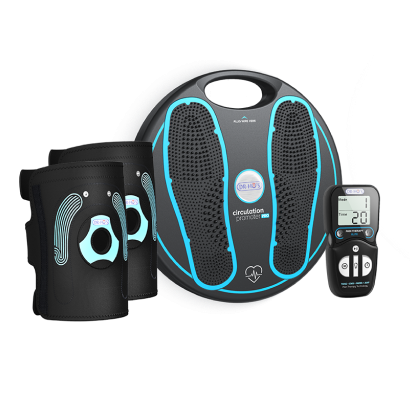
A device like the DR-HO'S Circulation Promoter uses TENS and EMS to stimulate muscles and nerves in the feet, temporarily increasing local circulation and relieving pain in the legs and feet. Not only do these technologies work together to make the device effective, but they also feel like a soothing, hands-on massage, with kneading, chopping and rubbing sensations! Here's how these technologies work:
a) Transcutaneous Electrical Nerve Stimulation (TENS) – conducts safe, gentle electrical currents that reach the body through footpads. By placing the feet on the footpads, electrical stimulations travel through nerve fibers in the nervous system in order to temporarily reduce pain signals from reaching the brain.
b) Electrical Muscle Stimulation (EMS) – is used to massage and stimulate healthy muscles to improve and facilitate muscle performance. After placing feet on the foot pads, EMS works to contract and release muscles in the feet and legs. This deep, penetrating massage helps temporarily increase local circulation and soothe sore, achy muscles at the same time.
In addition to these technologies, DR-HO'S Circulation Promoter also features NMES (Neuromuscular Electrical Stimulation) technology that helps maintain or increase range of motion and increase circulation. It also has proprietary AMP (Auto Modulating Pulse) technology which provides over 300 different types of pulse patterns. These pulses are programmed to automatically change, so the pulses are different and unpredictable with each and every use.
If symptoms stem from deep vein thrombosis or peripheral artery disease, a healthcare provider may consider blood thinners to reduce the risk of blood clots or statins to reduce plaque buildup.
In more significant cases, minimally invasive procedures such as angioplasties can open blocked arteries and restore oxygenated blood flow.
But pain relief is personal! We suggest trying a few different techniques and seeing which one works best for your pain management routine.
At DR-HO'S, we offer a 100 day money back guarantee on our products sold on our website. So buy it, try it, and decide if it's the right product for you.
Start Managing Your Leg Pain from Poor Circulation Today!
Unfortunately, pain in the legs from poor circulation is a very common ailment.
Considering the importance of proper circulation, addressing a lack of circulation and the leg pain associated with it is crucial! Not only is proper circulation important for one's overall health and vitality, but the leg pain caused by poor circulation can make many aspects of life more difficult. From running errands to accomplishing your goals, pain in the legs can just get in the way.
But there is hope! If you're experiencing any of the symptoms discussed above, we urge you to contact your healthcare provider promptly, especially if symptoms worsen, and talk through a potential solution for you. Deep vein thrombosis can lead to a pulmonary embolism, which may cause chest pain and requires emergency care. Over the past 30 years here at DR-HO'S, we have seen first hand the difference that the right pain management device can make in someone's life. Find one for yourself and take the first step in managing your pain.
Disclaimer: DR-HO'S content is intended for informational purposes only and should not be taken as medical advice. Please consult a certified medical professional for diagnosis and treatment recommendations.