

 Achy Muscles
 Arthritis, Bursitis & Tendonitis
 Back Pain
 Fibromyalgia
 Foot & Lower Leg Pain
 Joint Pain
 Knee Pain
 Neck Pain

Stiff and Tight Muscles Resulting in Back Pain? You're Not Alone
Are you experiencing sharp back pain and having difficulty moving? Stiff and tight back muscles can cause back pain by constricting or pinching nearby nerves where muscles and nerves interact, which can trigger pain signals to the brain and lead to pain, irritation, pins and needles, or numbness. Muscle stiffness is one of the most common causes of muscle pain, so understanding this link matters if back pain is starting to limit how you move, work, or get through the day.
If your back pain seems to flare up with tension, stiffness, or reduced mobility, this guide is for you. Keep reading to learn how muscle stiffness translates to back pain, what is happening in the nerves and muscles, what commonly causes stiff and tight back muscles, and which drug-free options can help relieve it, including stretching, gentle exercise, heat therapy, physical therapy, and TENS devices.

To understand how tight muscles can lead to pain, we first need to understand some basic human anatomy on nerves and muscles.
-
Nerves: cable-like structures located all throughout the body.Their main purpose is to relay information from one part of the body to another. Motor nerves carry the messages from the brain through the spinal cord to other parts of the body such as the muscles.
2. Muscles: soft tissues made up of stretchy fibres, for example the lats in the back. Muscles allow our bodies to move. The muscular system is controlled via the nervous system.
How Nerves & Muscles Work Together:
The end of each motor neuron sits very close to a muscle fibre, and is thus called a neuromuscular junction. At this point:
-
The motor neuron releases a message
-
It is picked up by the muscle fibre
-
This tells the muscle fibre to contract
-
In turn, the muscle moves
When it comes to pain:
-
The nerve sends the brain the signal of pain when organs or tissues are irritated or close to being damaged.
-
In reaction, the brain sends back signals to muscles to take appropriate action.
-
For example, if your hand gets too close to a stove, the nerves send a pain signal to the brain and you pull back before you burn yourself.
What Happens to Nerves and Blood Flow when Muscles are Tight?
When muscles are stiff and tight, they can constrict or pinch the nerves at the neuromuscular junction. The nerve will send this signal back to the brain, causing the feeling of irritation, pain, pins and needles, and numbness.
Now that we know what happens to our bodies when muscles are stiff, let's take a look at how muscles can become stiff in the first place.
What Causes Muscle Stiffness and Tight Back Muscles?
There are a few different potential causes of stiff and tight back muscles. These include overuse, inactivity, poor posture, and stress:
1. Muscle Overuse
It's very common to experience back muscle stiffness after periods of strenuous exercise. This can be from hard physical work, running long distances, or lifting weights (especially movements that involve pulling or lifting), and overuse can lead to a strain that makes pain worse with bending or twisting movements.
2. Periods of Inactivity
It's also possible to feel muscle stiffness after long periods of inactivity or prolonged sitting, and some people notice it most when waking up or after getting out of a chair.
This kind of inactivity can create increased pressure on the spine, keep the hip flexors in a shortened state, weaken the core muscles, and contribute to low back pain or lower back stiffness.
Poor posture at a computer screen can also create uneven tension in the back and neck muscles and lead to repetitive strain.
3. Acute Injury
An accident or sports injury that involves a blow to the back, especially through a sprain, can lead to tightness in the back muscles. Muscle strain is also a common cause of acute, muscle related back pain, and after an injury the body may tighten surrounding muscles protectively, causing pain and restricting movement.
4. Arthritis
If you've been diagnosed with spinal arthritis, you will likely experience stiffness and pain in the muscles of the back from inflammation affecting the joints and facet joints.
5. Stress
Stress can cause involuntary tightening, or muscle tension, in the back, and that muscle related guarding can gradually turn into soreness, aches, and back pain over time.
6. Tight Hamstrings
Tight hamstring muscles can pull on the pelvis, limit hip movement, disrupt alignment in the spine, and contribute to back discomfort. Tightness in the hamstrings or hamstring muscles can also raise stress through the lower back and lead to stiffness.
7. Tight Hip Flexors
Tightness in the iliopsoas muscle and other front-of-the-hip muscles can create stiffness in a spinal segment and add stress through the back. Reduced physical activity can leave these muscles shortened, which may affect posture and movement.
How to Relieve Back Pain
1. Stretch
The natural reaction to pain in the back is often to rest. And while this can help in the moment of pain, stretching can be very beneficial as it helps muscles relax and increases blood flow to the area. Here are a few back-friendly stretches:
Cat-Cow:
Start on your hands and knees with your back straight and your head and neck in line. On an inhale, drop your belly toward the ground and look up toward the ceiling (cow pose). On an exhale, tuck in your stomach, arch your back and lower your head to your chest (cat pose). Do it gently, and stop if you feel any pain.
Back-pocket Stretch:
Stand up and place both hands behind you as if you're putting them in the rear pockets of your jeans, hold your left wrist with your right (or vice versa); look up and extend (arch) your back.
Press Up (or Cobra):
Start by lying on your stomach and place both hands parallel on the floor as if you were starting to do a push-up. Then gently engage your lower back, buttocks, and thighs as you lift your head and chest. Stay strong in your lower back and abdominals while breathing deeply. Hold this pose for 30 seconds to 1 minute and repeat 5-8 times.

2. Gentle Exercise
Unless otherwise directed by your preferred healthcare provider, don't stop moving due to your pain! This is especially important for those whose upper back pain comes from muscle stiffness.
Light activities include:
-
Walking slowly
-
Doing light household chores such as putting away groceries or folding laundry
Just ensure that:
-
These activities don't involve excessive bending or twisting
-
If you're doing anything intense, you're stretching beforehand
3. Heat Therapy
Heat application can also be quite helpful for relieving pain from back stiffness. Apply heat to your pain-affected areas with gels, creams or heating pads, or visit a sauna, hot tub, or take a warm bath at home. Whichever application you choose, heat therapy can improve blood circulation to promote healing of damaged tissues and help stretch tissues, reducing uncomfortable stiffness.
4. Physical Therapy
Depending on the severity of your muscle tightness, a simple routine of gentle stretching may be enough to improve your symptoms. However more serious muscle tightness may require a program of physical therapy focused on motions that stretch and lengthen muscle tissue.
5. TENS Devices
If you're unable to make it to a physical therapist office, why not try the tools that are often used in those clinics? TENS (Transcutaneous Electrical Nerve Stimulation) machines are one such pain therapy tool.
TENS machines are small, compact devices that produce gentle electrical currents conducted through small pads or other accessories placed on the body. This stimulation targets the nerves, temporarily reducing pain signals. In addition, TENS therapy is thought to trigger the release of endorphins, natural hormones produced by our bodies to help temporarily relieve pain.
DR-HO'S carries a line of TENS products specifically designed for the back:
-
Triple Action Back Belt – for the lower back
-
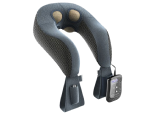
Neck Pain Pro – for the upper back and shoulders
-
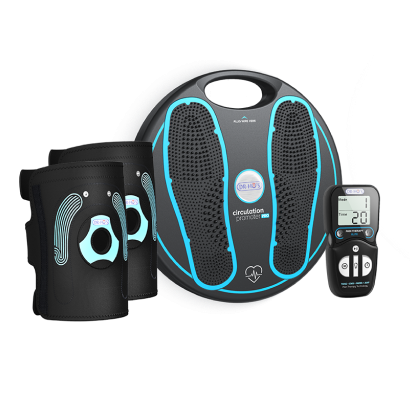
Pain Therapy System – for full body use, wherever you experience pain
These DR-HO'S TENS devices also use EMS (Electrical Muscle Stimulation) Therapy, which targets and penetrates muscles, causing them to contract and relax. As these healthy muscles start to contract and move, the EMS stimulation can help temporarily increase local blood circulation, bringing nutrient rich, oxygenated blood to those muscles.
In addition, DR-HO'S AMP Technology combines these therapies in a way that maximizes therapeutic benefit. The synchronized stimulation encourages both nerve and muscle interaction, providing comprehensive relief that addresses multiple pain mechanisms simultaneously.
Start the Path to Muscle Related Back Pain Management
Stiff and tight muscles are one of the primary causes of back pain, whether it's from excessive exercise or an acute injury. But there are steps you can take to minimise your back pain! We hope you test out a few of these techniques and can find some relief to stiff back pain. However, if pain persists beyond two weeks, please contact your doctor or healthcare professional.
At DR-HO'S we are on a mission to develop and promote drug-free, effective pain therapy devices to help people live a life with less pain. Pain should not rob you of your quality of life and prevent you from participating in your favourite activities – and it's a devastating reality, that for many it does. Learn more about our philosophy and the possibility for hope, here
Disclaimer: This content is for informational purposes, and should not be treated as medical advice. While our advanced TENS machine can benefit various pain conditions through its sophisticated combination of TENS, EMS, and NMES guided by our proprietary AMP Technology, proper diagnosis ensures optimal pad placement and treatment protocols. Always consult a healthcare professional for an accurate diagnosis before beginning any treatment program.