

 Achy Muscles
 Arthritis, Bursitis & Tendonitis
 Back Pain
 Fibromyalgia
 Foot & Lower Leg Pain
 Joint Pain
 Knee Pain
 Neck Pain

Updated on November 10, 2026
Can Neck Pain Cause Pins and Needles?
You guessed it: Neck pain can definitely lead to that unpleasant sensation known as “pins and needles.” As if neck pain itself wasn't enough of a nuisance!
If you or a loved one is experiencing pins and needles in the neck, or if you're just looking to learn more about it, you've come to the right place. In this blog, we'll go over what's really happening when you experience pins and needles, and what you can do to find some relief!
What Does Pins and Needles in The Neck Feel Like?

Some of the most common symptoms of a pinched nerve in the neck include the following sensations:
-
A dull ache
-
Stiffness & soreness
-
Sharp jolts
-
Nothing at all; numbness
-
Pins and needles
All of the above sensations seem to speak for themselves, except for “pins and needles.” So, let's break it down: The pins and needles sensation is formally known as paresthesia. Paresthesia describes an uncomfortable or even painful sensation that feels like: A pinched nerve can also send burning pain into the arm and may cause numbness in the affected area.
-
Tingling
-
Prickling
-
Burning pain
-
Itching
You've most likely felt this elsewhere on the body, like when you cross your legs for a long period of time or sleep on top of your arm. Here's why this uncomfortable, prickly feeling may occur:
What Causes Pins and Needles in the Neck? (Pinched Nerve Explained)

Paresthesia in the neck may be the result of too much pressure on a nerve in the cervical spine. The “pins and needles” feeling can happen when excess pressure cuts off the blood supply to the nerves in your neck. A pinched nerve in the neck is often called cervical radiculopathy. Structural causes can include herniated discs that leak fluid onto nearby nerves, inflammation, or surrounding tissues such as cartilage pressing on a nerve root. Age-related changes such as Cervical Spondylosis, bone spurs, and spinal stenosis can narrow the spaces where nerves exit the spine. In most cases, it subsides shortly after any applied pressure is gone. You may also experience pins and needles if your neck was previously numb and it is now regaining feeling. Or, you might experience it after experiencing pain from a nerve injury in the neck. Injuries such as whiplash can also trigger this condition.
Important Note: Persistent pins and needles in the neck with no obvious cause could potentially be indicative of nerve problems. Consult your preferred healthcare provider to learn about the risk factors and for an accurate diagnosis.
Are Pins and Needles in The Neck Serious? Understanding Cervical Radiculopathy
For many, paresthesia comes and goes within minutes, not causing too much concern.
If these symptoms start to worsen, numbness may spread into the area served by the irritated nerve, and weakness in the arms or hands, including a weaker grip, can make daily tasks harder.
Red flags that need urgent care include loss of bowel control, loss of coordination, confusion, or symptoms after trauma.
Others experience paresthesia more frequently, and sometimes without an obvious cause, so it is worth distinguishing mild temporary episodes from signs that may point to nerve damage and need prompt evaluation.
Because of this, paresthesia and neck pain in general can be more than just a mild nuisance: it can be frustrating and intrusive in your day-to-day life, making everyday tasks more difficult and making your long-term goals seem further out of reach, and the condition can range from mild to more serious when symptoms worsen.
What Can I Do About Pins and Needles and Neck Pain?
Looking after and caring for the neck and shoulder area is paramount for relieving symptoms and helping prevent future issues by reducing pressure on a pinched nerve — so you can get back to doing the things you love again! Maintaining good posture, especially during screen use, and avoiding prolonged screen time can reduce chronic strain on the neck. Because everyone dealing with neck pain has different needs and preferences, you may have to try a few things before discovering what really works for you. With that, let's cover some at-home treatment methods that just about anyone can try. Gentle exercises and regular stretching, including a simple stretch you can practice at home, may reduce nerve irritation, and sleeping in proper positions can also lower the risk of flare-ups.
4 Ways to Relieve Neck Pain at Home
1. Try Heat Therapy

Applying a safe and tolerable amount of heat to areas affected by pain could help to increase circulation and soothe discomfort. This can be especially helpful if your pins and needles pain is related to poor circulation. If home care is not enough, treatment often starts with physical therapy. You can try applying a heat pad whenever pain strikes or taking a warm, soothing bath instead, and anti-inflammatory options such as ibuprofen or naproxen sodium may also help.
2. Get a Relaxing Massage
In general, massages can be relaxing and rejuvenating. More specifically, they can have real benefits for those dealing with nerve pain in the neck. Massage can also complement physical therapy and gentle neck exercises for a pinched nerve by easing tension in the neck and upper back.
Try targeted massage therapy such as Neuromuscular Therapy (NMT). NMT massages are applied to specific areas of the body with the goal of releasing pressure from the nerves and increasing blood flow. The relaxing benefits of massage therapy can also help sufferers manage stress, which can often make your pain even worse, and gentle neck stretches can be practiced at home for relief; maintain good posture and incorporate regular stretching to reduce nerve irritation, but keep the head and shoulders relaxed during any home stretch or exercise and stop if symptoms worsen.
3. Address Your Sleep Habits

Getting deep, restorative sleep is directly related to how people experience pain, especially when proper sleep position helps reduce neck strain. Prioritizing quality sleep every night is a great first step towards feeling less pain day-to-day. Plus, quality sleep is an important part of mental health, which plays a big role in how you cope with pain. Small things you can do today to start sleeping better and reduce strain on the cervical spine include:
-
Limiting your caffeine intake hours before bedtime.
-
Sleeping and waking at the same time each day.
-
Keeping the bedroom dark and quiet.
-
Stretching before bed to ease tension, support better posture, and lower the risk of a pinched nerve.
-
Limiting screen time in the evening to avoid prolonged neck strain from poor posture.
4. Try a DR-HO'S TENS Device
Looking for a powerful and reliable method of at-home pain relief? Try TENS!
TENS pain management devices from DR-HO'S are drug-free machines that have been used by medical professionals for decades. Now, you can take that same therapy home with you in a convenient, easy-to-use device! Use it between appointments, at home, at work and anywhere else – so you can be ready whenever pain strikes. Here's how TENS and additional pain therapies and technologies work in a DR-HO'S device:
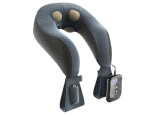
TENS (Transcutaneous Electrical Nerve Stimulation) is conducted through adhesive pads that you place on your skin. Or, in the case of a device like DR-HO'S Neck Pain Pro, through electrodes that are built into the device. They work to conduct gentle electrical pulses from the machine to your most painful areas. TENS targets the nerves specifically with powerful pain-relieving stimulations.

EMS Therapy: EMS (Electrical Muscle Stimulation) gently stimulates the muscles, causing them to contract and relax in order to increase local circulation and soothe soreness. Stimulating healthy muscles also helps improve and facilitate muscle performance.
NMES Technology: (Neuromuscular Electrical Stimulation) Therapeutic technology that targets specific nerve pathways to help re-educate muscles and restore proper nerve-muscle communication, particularly valuable in rehabilitation settings.
AMP Technology: AMP (Auto Modulated Pulse) technology is a proprietary technology that provides over 300 different stimulations that vary in wavelength, frequency and rest periods. These stimulations are programmed to automatically change, so you get a soothing variety of pulses.
All together, the combination of these pain-relieving technologies makes for one effective and reliable device that can help those dealing with neck pain and even pins and needles pain.
Don't Let Pain Hold You Back!

We know that neck pain, pins and needles, or any other kind of discomfort you're experiencing can be a thief of joy. From everyday activities to your greatest ambitions, pain can impact every aspect of your life. We hope that this information on neck pain and pins and needles will help inspire you to take that first step towards finding pain relief methods that work for you. Try a TENS device like the Neck Pain Pro from DR-HO's with confidence by taking advantage of our 100-day money-back guarantee!
Disclaimer: This content is for informational purposes, and should not be treated as medical advice. While our advanced TENS machine can benefit various pain conditions through its sophisticated combination of TENS, EMS, and NMES guided by our proprietary AMP Technology, proper diagnosis ensures optimal pad placement and treatment protocols. Always consult a healthcare professional for an accurate diagnosis before beginning any treatment program.