



 Achy Muscles
 Arthritis, Bursitis & Tendonitis
 Back Pain
 Fibromyalgia
 Foot & Lower Leg Pain
 Joint Pain
 Knee Pain
 Neck Pain


Arthritis pain can feel like the most inhibiting thing possible. Whether you have yet to find an effective pain therapy tool, are uncomfortable with strong painkillers, or simply believe a life with less pain is not an attainable reality, we are here to tell you - THERE IS HOPE!
Although treatment options such as joint surgery, steroid injections and medications can be very effective for arthritis pain, wouldn't you rather opt for natural, non-invasive, affordable and convenient methods whenever possible? We certainly would! That's why we've put together this guide on simple, everyday go-tips for at-home arthritis relief. Keep reading to discover our top 8 tips.
1. Don't Completely Cut Exercise
We get it. Exercise is likely the last thing you feel like doing with arthritis pain! The key is just to not overdo it. Because, easy to mild exercise can be very beneficial for painful joints. Swap high-intensity workouts (especially anything with jumping) for more mild aerobic exercise like yoga or swimming. If you have access to a pool, take advantage! Swimming is one of the best exercises for arthritis since you get all the cardio and strength benefits, without the strain on the joints.
Walking, swimming, cycling, gentle stretching, yoga, and tai chi are all recommended low-impact exercises for arthritis. Low-impact exercise is ideal for minimizing joint strain and supporting joint health. Tai chi, a gentle martial art, can help improve strength, flexibility, and balance for those with arthritis. Mind-body practices like yoga and tai chi enhance flexibility and reduce inflammation through gentle movement and meditation.
Consulting a physical therapist can help you create a suitable exercise program tailored to your individual needs.
2. Eat An Omega-3 Rich Diet
Eating a diet rich in omega-3 fatty acids can be very beneficial for arthritis sufferers because these foods have been shown to reduce inflammation. Fish oil is also rich in omega-3 fatty acids and may help reduce inflammation and morning stiffness in arthritis patients. Avocado soybean unsaponifiables (ASU) may slow the progression of osteoarthritis and block pro-inflammatory chemicals.
Some foods high in omega-3 fatty acids include:
-
Fish (salmon, mackerel and tuna)
-
Nuts & seeds (walnuts, flax seeds and chia seeds)
It’s also a good idea to eat anti-inflammatory foods that target inflammation. Such as:
-
Berries
-
Pineapple
-
Onion
-
Dark leafy greens
Including antioxidants from colorful fruits and vegetables in your diet can provide health benefits by neutralizing free radicals and lowering inflammation.
A Mediterranean-style diet, which is rich in fruits, vegetables, whole grains, and healthy fats like olive oil, is often recommended for arthritis because it can decrease inflammation as well as the risk of chronic conditions such as heart disease and high blood pressure.
A balanced diet that includes fresh fruits, vegetables, whole grains, and healthy fats is beneficial for arthritis management and can help reduce the risk of heart disease and high blood pressure.
While these foods sound simple enough to eat in theory, it can often be a challenge to make them appetizing in the kitchen! And in order to really change your diet, you need to actually make them appealing – something you’re excited to come home and dig into.
That’s why we’re so excited to share a book by @arthritisfoodie called ‘Beat Arthritis Naturally‘. It’s filled with wholesome but delicious recipes specifically designed for arthritis sufferers. Check out one of her recipes below!
Basil Emily Salad (V, Veg, DF, GF) – Serves 3
This is perfect for a summer's day. It is full of healthy fats and a fresh, beachy Mediterranean taste.
Ingredients
-
Salad
-
100g quinoa
-
2 garlic cloves
-
3 handfuls of kale, any kind
-
1 x 400g tin butter beans in water, drained and rinsed
-
10 cherry tomatoes
-
½ cucumber
-
8 sundried tomatoes
-
Handful of fresh basil
-
15–20g pine nuts
-
3 handfuls of spinach
-
1 avocado, peeled, stoned and chopped
-
Dressing
-
135ml extra virgin olive oil
-
½ tbsp apple cider vinegar
-
½ tsp garlic granules (or 1 garlic clove, roasted and chopped)
-
10g fresh basil, chopped
-
1 tsp balsamic vinegar
-
½ tsp dried oregano
-
½ tsp lime juice
-
½ tsp sea salt
-
½ tsp black pepper
Steps:
-
Preheat the oven to 190ºC.
-
Rinse the quinoa, put in a pan of salted boiling water and cook on a medium heat for 15–20 minutes or until tender. Drain, rinse and cool.
-
While the quinoa is cooking, peel the garlic cloves and roast them whole in the oven for 10 minutes.
-
Place some hot water in a pan and bring to the boil. Place the kale in a colander and steam on top of the boiling water for 3 minutes. The kale should be cooked, but not wilted. Rinse with cold water and place in a large mixing bowl.
-
Add the butter beans to the bowl.
-
Chop the cherry tomatoes, cucumber, sun dried tomatoes, and fresh basil and place in the bowl. Mix well, then add the pine nuts and spinach.
-
Add the quinoa to the mixing bowl once you have rinsed it with cold water and drained it. Stir everything together.
-
Plate up the salad and add the chopped avocado on top.
-
Mix all of the dressing ingredients in a jug and whisk well. Then pour over the salad.
3. “Drink enough water!”
This is a piece of advice we've all heard before. But with good reason. We can't underestimate the power of this simple, basic tip. Because when it comes to arthritis pain, consistent hydration does help over time. Specifically, drinking water can help you:
1. Keep cartilage around the joints healthy and lubricated.
2. Flush toxins out of the body in order to help prevent inflammation.
3. Feel more full. When you feel more full, you'll eat less, promoting weight loss. The less weight you have, the less pressure you put on your joints.
4. Prevent your joints from being damaged.
So, make sure you drink at least 8-10 cups of water a day! If you're struggling, consider one of these water tracking bottles.
4. Experience Community: Finding a group of fellow pain sufferers can go a long, long way. It's so easy to feel hopeless when you feel alone. If you don't know a ton of people in your immediate in-person community, it can be hard to imagine that anyone else is going through the same thing. We are here to tell you that YOU ARE NOT ALONE. There are so many like-minded people, with the same questions, concerns and emotions all over the world. You just need to find them.
Follow arthritis community leaders on social media or join a private online group. We've started a Facebook group for this exact reason. Request to join and we would love to welcome you into our community of thousands of pain sufferers supporting one another!
Dr. Ho in our Facebook Group
5. Use a TENS machine.
Ever heard of a TENS machine? It's a small handheld device that uses electrical stimulation therapy (E-Stim) to help reduce pain. Don't worry, it's not intense electrical shocks. Rather, it's mild, pulse-like stimulations. Many people describe the feeling as a “tickle”, a “tingling” or a “deep tissue massage”. TENS has been used by doctors and physical therapists for years and are entirely drug-free devices.
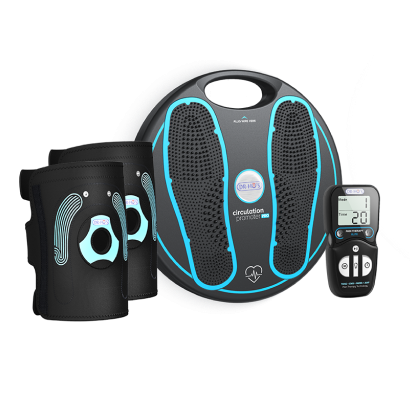
The Arthritis Foundation considers TENS an effective option to help relieve arthritic pain. DR-HO'S TENS machines are great choices for arthritis sufferers because they also provide EMS and NMES therapy.
-
TENS helps relieve pain.
-
EMS improves and facilitates muscle performance.
-
NMES relaxes muscle spasms, increases blood flow circulation, and maintains or increases range of motion.
PLUS – you can buy it, try it, and then decide if you like it with the 100 day home trial money back guarantee. Learn more about the DR-HO'S line of products here
6. Get Your Blood Flowing with Hot & Cold Therapy
Temperature stimulation is another effective way to help arthritis pain! Hot and cold therapy is a natural remedy and part of complementary and integrative health approaches for arthritis pain relief. Both heat and cold therapy can be used interchangeably for many types of arthritis pain, including OA pain and psoriatic arthritis.
Heat therapy can:
-
Encourage the healing of damaged tissue
-
Decrease joint stiffness
-
Stimulate joint fluid
-
Relax muscles
Heat therapy works by enlarging blood vessels, which increases blood flow and oxygen delivery to affected joints, helping to alleviate pain and relax muscles. This can be especially helpful for chronic pain and improving physical function.
Cold therapy can:
-
Can reduce inflammation
-
Can reduce swelling
-
Can reduce arthritis related pain
-
Can help treat acute injuries
Cold therapy can reduce joint swelling and inflammation during arthritis flare-ups and is especially helpful for stiff joints. Alternating hot and cold therapy can ease pain, provide temporary relief, and improve physical function for those with chronic pain.
Our recommended cold therapy tool is a standard ice pack. However a more budget-friendly alternative would be to just take some ice and add it into a plastic baggie!
While nonsteroidal anti-inflammatory drugs (NSAIDs) are common pain relievers for arthritis, hot and cold therapy offers a drug-free alternative for arthritis pain relief. Oral pain relievers can be used for deeper or persistent pain, but long-term use should be approached with caution. Topical creams containing capsaicin can help alleviate joint pain by affecting pain signals and stimulating the release of pain relieving chemicals. Epsom salt baths provide magnesium, which may help alleviate muscle spasms and inflammation.
7: Physical Therapy
Massage therapy is another natural remedy that can help with arthritis pain. Consulting a massage therapist experienced with arthritis is recommended, as massage can improve blood circulation and reduce pain and stiffness in affected joints.
Acupuncture, a traditional Chinese medicine practice using super-fine needles to stimulate energy pathways, may help relieve pain and inflammation associated with arthritis. Practicing mindfulness meditation can also help manage arthritis symptoms like pain and inflammation.
For hand arthritis, consulting a hand therapist can provide personalized recommendations about hand stretches and exercises for arthritis relief.
Is there an object around your house that aggravates your arthritis pain? There’s likely an arthritis-friendly alternative! For example:
Also,
-
Do you ever forget to ask your doctors or specialists questions?
-
Do you have random post it notes of arthritis related reminders?
-
Do you have a place to keep track of your daily symptoms to see if there are patterns / triggers?
If you answered yes to any of these questions then you need a medical journal! Specifically designed by Rheumatoid Arthritis sufferer @thatgirlwitharthrits for these very reasons, a medical journal is a great way to keep track of everything associated with your health. She has both daily and longer-term journal options available here!
8: Maintain a Healthy Weight to Reduce Joint Stress
Keeping your weight in a healthy range is one of the most effective ways to relieve arthritis pain and protect your joints from further damage. Carrying extra pounds puts added pressure on weight-bearing joints like your hips, knees, and ankles, which can worsen arthritis symptoms, increase pain and stiffness, and even speed up joint wear and tear. By focusing on weight management, you can significantly lessen pain, improve joint function, and boost your overall quality of life.
A healthy diet plays a key role in managing arthritis and supporting joint health. Filling your plate with plenty of fruits, vegetables, whole grains, and lean proteins not only helps you maintain a healthy weight, but also provides your body with the nutrients it needs to control inflammation and promote healing. Pairing a balanced diet with regular physical activity such as walking, swimming, or cycling can help strengthen muscles around your joints, reduce joint pain, and improve mobility without putting unnecessary strain on achy joints.
Stress management is another important piece of the puzzle. Chronic stress can trigger pain and inflammation, making arthritis symptoms worse. Techniques like deep breathing, progressive muscle relaxation, and meditation can help reduce stress, decrease inflammation, and provide natural relief from arthritis-related pain. Incorporating these relaxation techniques into your daily routine can make it easier to manage pain and improve your overall well-being.
Certain foods and supplements may also help reduce inflammation and support joint health. An anti-inflammatory diet rich in omega-3 fatty acids, antioxidants, and fiber can help control inflammation and ease arthritis pain. Supplements like glucosamine and chondroitin, which are found in connective tissue, may offer additional support for joint health and pain relief.
According to the Arthritis Foundation, maintaining a healthy weight is one of the best ways to manage arthritis symptoms and lower your risk of joint injuries. If you’re unsure where to start, consider working with a physical therapist or consulting experts to develop a personalized treatment plan. By combining healthy eating, regular physical activity, and stress management, you can take meaningful steps to reduce pain, improve joint health, and reclaim your quality of life.
Conclusion: While none of these tools or tips will cure your arthritis pain, one of them or a few of them combined could be able to make a significant difference in your daily pain. And that alone can mean the difference between…
-
Getting up to tidy the house versus feeling trapped on the couch.
-
Forgetting pain and falling asleep versus thinking of pain and having trouble sleeping.
-
Actively playing with grandchildren versus watching them play.
We truly hope you find a meaningful form of arthritis relief that works for your unique pain. So try a few of these at-home, drug-free tips, see what works for you, and take back some control of your pain!
Disclaimer: DR-HO'S content is intended for informational purposes only and should not be taken as medical advice. Please consult a certified medical professional for diagnosis and treatment recommendations.