



 Achy Muscles
 Arthritis, Bursitis & Tendonitis
 Back Pain
 Fibromyalgia
 Foot & Lower Leg Pain
 Joint Pain
 Knee Pain
 Neck Pain

TENS vs EMS for Muscle Recovery: Therapy for Temporary Muscle and Arthritic Pain Relief
If you're on the lookout for effective pain relief, you've probably heard the terms EMS therapy or TENS therapy. When it comes to TENS vs EMS, there are some key differences you should know about:
TENS Therapy for Temporary Pain Relief and Symptomatic Management of Acute and Chronic Pain
TENS stands for Transcutaneous Electrical Nerve Stimulation. TENS, or transcutaneous electrical nerve stimulation, is a widely used method for pain management and to manage pain without drugs. TENS machines, such as DR-HO’S Pain Therapy System, work by stimulating nerves in the body with gentle electrical pulses. These machines can be small, portable and powered by batteries. In order to use the unit, the user simply has to place self-sticking massage pads on the painful muscles. The electrical pulses then travel through the pads and stimulate the healthy nerves and muscles.
The pulses stimulate the nerves and muscles, causing the muscles to contract and relax. TENS is used for pain relief by blocking pain signals, providing temporary relief for persistent pain, nerve pain, menstrual pain, and other conditions. This contraction and relaxing process helps temporarily relieve achy, sore muscles as well as helps symptomatic relief of chronic, intractable pain and pain associated with arthritis.
TENS therapy is a drug-free, non-invasive way to treat pain and is popular for effective pain relief. TENS works by sending low voltage electrical impulses through the skin, which can stimulate the release of endorphins, the body's natural painkillers. TENS is highly effective for temporary, instant pain relief, but it is not curative and will not heal injuries. TENS can be used for chronic pain relief, acute pain management, and post-surgery recovery, including for conditions like menstrual pain and nerve pain. While TENS is popular and drug-free, the effectiveness of TENS machines is still debated, with some studies showing mixed results for chronic pain.

How TENS Works
TENS therapy helps relieve temporary pain in two main ways:
1. Pain Signal Blocking (Gate Control Theory)
The electrical pulses interfere with pain signals traveling to the brain, reducing how much pain you perceive.
2. Endorphin Release
TENS may stimulate the body to release natural pain-relieving chemicals (endorphins).
Safety Precautions for TENS Therapy
When using transcutaneous electrical nerve stimulation (TENS) therapy for pain relief, it’s important to follow a few key safety precautions to ensure you get the most benefit while minimizing any risks. TENS therapy works by sending gentle electrical impulses through the skin to block pain signals and stimulate nerves, making it a popular choice for managing chronic pain, muscle recovery, and muscle stimulation. However, as with any form of electrical nerve stimulation, using your TENS unit safely is essential.
Before starting TENS therapy, always consult with your healthcare provider—especially if you have underlying medical conditions such as a pacemaker, heart problems, epilepsy, or if you are pregnant. Your healthcare provider can help determine if TENS therapy is appropriate for your specific needs and guide you on how to use your TENS machine safely.
EMS Therapy for Improved Muscle Performance and Temporary Increase of Local Blood Circulation
Where TENS therapy works by stimulating the nerves, Electrical Muscle Stimulation targets the muscles. EMS devices are commonly used in physical therapy and rehabilitation clinics to aid recovery from sports injuries, muscle atrophy, and weak muscles. EMS works by sending stronger electrical impulses than TENS, which stimulate muscle fibers and motor neurons to cause muscle contraction, muscle activation, and muscle strengthening. Just as with TENS, EMS is a form of safe, gentle therapy that has long been used in clinics. EMS machines release a pulsing electrical current that causes muscles to contract and release. This stimulation mimics the natural action of the muscles during physical activity. EMS machines help stimulate muscle contractions, which is beneficial for muscle performance, muscle recovery, and preventing muscle atrophy. Russian stimulation is a specialized EMS technique used for muscle strengthening in clinical settings. EMS units are available for home and clinical use, and EMS devices are designed to aid recovery and improve muscle strength and endurance. Like TENS, EMS has many positive benefits.
How EMS Works
1. It helps to temporarily increase local blood circulation by stimulating healthy muscles.
2. It can help improve muscle performance by stimulating healthy muscles.
3. EMS can help with muscle re-education, muscle endurance, and muscle spasms, and is often used for strengthening muscles and rebuilding muscle strength after injury or surgery.
EMS has such a soothing effect on muscles, that it’s become a very popular post-workout tool. This is due to the fact that it improves muscle performance by temporarily increasing local blood circulation. As we workout, we contract and release our muscles which helps build strength. Consequently, EMS is recommended to speed up recovery after workouts and to aid in muscle re-education and rehabilitation. EMS can help with muscle performance.
Can TENS and EMS Be Combined?
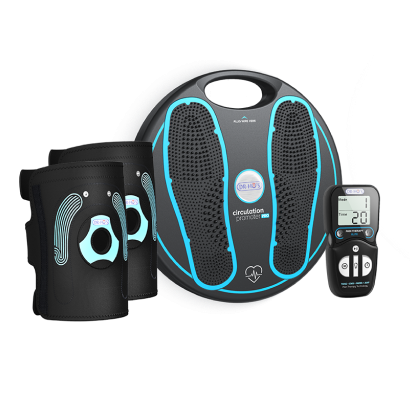
Even though TENS and EMS are different, they can be combined into one unit. Many modern TENS and EMS machines incorporate both functions, allowing users to target pain relief and muscle recovery in a single device. DR-HO’S TENS devices like DR-HO’S Pain Therapy System Pro provide the dual benefits of both TENS and EMS therapy.
Understanding the key differences between TENS and EMS can help you choose the right therapy. TENS is primarily used for pain control by blocking pain signals and supporting endorphin release, while EMS focuses on muscle stimulation and neuromuscular re-education through controlled contractions. When used together, these therapies can complement each other as part of a comprehensive recovery and pain management plan following injuries, surgery, or chronic medical conditions.
By using electrical wave patterns that constantly change, a combined EMS and TENS unit can both temporarily relieve pain and temporarily increase local circulation at the same time. Using TENS mode can help block pain signals for effective symptomatic relief, while switching to EMS mode can stimulate muscles to support recovery and neuromuscular re-education. Electrical stimulation from these devices helps increase blood flow, which plays an important role in recovery and reducing inflammation.
Finally, the combination of EMS and TENS may help provide symptomatic relief of chronic, intractable pain and arthritic pain, while at the same time temporarily increasing local blood circulation in healthy muscles.
After a workout, muscles often develop microscopic tears. This is a normal part of the strengthening process, but it can lead to temporary inflammation and soreness. Using a dual-function device like the Pain Therapy System Pro may help temporarily relieve sore, achy muscles while supporting circulation during recovery.
Before choosing which form of electrical stimulation is right for you, it’s important to identify your primary goal. When shopping for a TENS or EMS machine, evaluate features such as available treatment modes and adjustable intensity levels to ensure the device meets your needs.
While TENS and EMS units are generally considered safe for most users, some individuals may experience mild skin irritation or discomfort at the electrode pad placement sites. Use of TENS devices is not recommended for individuals who are pregnant, have a pacemaker, or have any heart condition. Electrical stimulation should also never be applied over the heart or on the front of the neck.
If you have any underlying medical conditions or health concerns, consult a qualified healthcare professional before use. Ongoing research continues to evaluate the effectiveness of electrical stimulation therapies across various therapeutic applications.

Learn More About TENS vs EMS Therapy!
For more information on how TENS and EMS therapies work, their differences, and how they can be combined for pain relief and muscle recovery, you can learn more about TENS vs EMS technology and explore DR-HO’S TENS machines HERE!
Disclaimer: DR-HO'S content is intended for informational purposes only and should not be taken as medical advice. Please consult a certified medical professional for diagnosis and treatment recommendations.