



 Achy Muscles
 Arthritis, Bursitis & Tendonitis
 Back Pain
 Fibromyalgia
 Foot & Lower Leg Pain
 Joint Pain
 Knee Pain
 Neck Pain
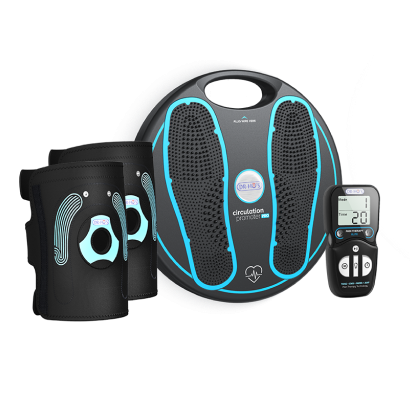

DR- HO'S TENS Pad Placement Guide for Back, Hip & Leg Pain
DR-HO’S TENS products combine TENS, EMS, NMES and AMP technology into temporary pain therapy devices. They can be used in many areas around the body including the neck, shoulders, arms, back, hip, legs, knees and feet. This is due to the multi-use gel body pads that come with the device.
In this guide, we show how to use a TENS Therapy device for back, hip and leg pain, a condition that occurs when the sciatic nerve becomes pinched, usually by a herniated disk in your spine or by an overgrowth of bone on your vertebrae, ageing, prolonged sitting, job-related heavy lifting and more. Common causes of back and hip pain include muscle or ligament strain, bulging or ruptured disks, arthritis, and skeletal irregularities. These issues can affect the bones and joints, and both adults and children can experience back and hip pain due to various causes, such as developmental issues, injuries, or bone health conditions.
DR-HO’S TENS therapy devices can be used:
-
For temporary relief of pain associated with sore and aching muscles including elbow, wrist & hand pain due to heavy lifting, intense exercise or household work activities.
-
For symptomatic relief and management of chronic, intractable pain and relief of pain associated with arthritis.
-
To stimulate healthy muscles in order to improve and facilitate muscle performance.
-
To temporarily increase local blood circulation in healthy muscles.
Before starting any treatment, it is important to consult a healthcare provider to diagnose the underlying cause of your pain.
It is important to know how to properly place these pads for effective, temporary relief from elbow, wrist & hand pain and discomfort. Walking is often recommended to maintain joint health and muscle support, but you should discuss any new activity with your healthcare provider.
The DR-HO’S pad placement guide series is a helpful way to understand how to properly use your TENS device. Find the pad placement that works for your condition to help you get the most out of every TENS therapy session. Identifying the cause of back pain is key to effective relief, and many cases can be treated with home care and proper support.
Understanding Pain Causes
Leg and hip pain are common complaints that can affect people of all ages and activity levels. The causes of these symptoms are varied and can include injury, overuse, and underlying medical conditions. Hip pain depends largely on the source - issues with the hip joint itself, such as arthritis or stress fractures, can lead to persistent discomfort, while problems with blood flow may also contribute to pain in the hip or leg. A hip fracture is a serious injury that causes severe hip pain and requires immediate medical attention, especially in older adults.
Soft tissues like muscles and tendons are often affected by inflammatory arthritis, which can cause swelling, stiffness, and pain in the hip and leg. Overuse from repetitive activities or sports can also strain these tissues, leading to discomfort. In cases where pain is severe or does not improve with conservative measures, orthopedic surgeons may recommend treatments such as hip replacement surgery, particularly if arthritis or stress fractures are present. To relieve pain, it’s important to rest, apply ice, and modify activities as needed. Understanding the underlying cause of your pain is key to finding the most effective treatment and preventing further injury.
First Off, How do DR-HO'S Devices Work?
DR-HO'S takes pain management to the next level by incorporating a comprehensive 4-in-1 approach. While conventional TENS devices rely solely on one type of stimulation, DR-HO'S devices integrate four complementary technologies:
-
TENS (Transcutaneous Electrical Nerve Stimulation): This technology delivers precise electrical impulses that interact with nerve fibers, helping to temporarily interrupt pain signals before they reach the brain.
-
EMS (Electrical Muscle Stimulation): The EMS component of our system sends targeted signals that gently contract and release muscles in the treated area. This rhythmic activity helps promote local blood flow and can help temporarily reduce muscle tension.
-
NMES (Neuromuscular Electrical Stimulation): NMES technology reaches deeper muscle layers, encouraging more substantial muscle engagement. This helps support the treated area while promoting improved circulation.
-
Auto-Modulating Pulses: This system continuously varies the electrical impulses, ensuring your body doesn't become accustomed to a single pattern. This helps ensure sustained effectiveness throughout your treatment and prevents the diminishing returns often experienced with conventional devices.
Get to Know the Types of DR-HO'S TENS Replacement Pads
You will receive different types of pads when you order your DR-HO’S TENS therapy device.
Regular Gel Body Pads: These long-lasting, highly-conductive small pads are sized to target smaller, more sensitive muscles such as your neck, arms and hands.
Large Gel Body Pads: These larger pads are also long-lasting and highly conductive. They are designed to be larger for large muscles such as your back, hip and legs. Proper pad placement can help target soft tissue and muscle groups, providing more effective pain relief by addressing tissue-specific discomfort.
Both types of gel pads if cared for properly can be used between 70-100 times before they should be replaced. You can order Large Pad Replacement Kits and Small Pad Replacement Kits at any time. You can also browse DR-HO’S accessories for other helpful products.
Important Notes for Any Pad Placement
Here are some important tips to consider no matter where you are placing your pads:
- Always place pads on clean, dry, healthy skin.
- Place pads near or surrounding the painful area, at least 1 inch apart.
- Make sure there is a linear path between the two pads.
- Do not let the pads touch.
- Wet the pads with a little bit of water before placing them on the painful area.
Health Considerations Before Using TENS
Before starting TENS therapy for leg pain or hip pain, it’s important to consider your overall health and any existing health conditions. Certain nerve problems, such as numbness or tingling, may be a reason to avoid TENS or to use it only under medical supervision. If you are taking medications like blood thinners, or if you have skin conditions or varicose veins in the area where you plan to use the pads, consult your doctor first.
The Arthritis Foundation recommends speaking with a healthcare professional before using TENS for arthritis-related hip pain, as individual needs and risk factors can vary. People with underlying nerve issues, circulatory problems, or sensitive skin should take extra precautions. Always follow your doctor’s advice to ensure that TENS therapy is safe and appropriate for your specific situation.
Troubleshooting Common Issues
If you experience severe leg pain or hip pain while using TENS, stop the treatment immediately and seek medical help. Sometimes, pain can be a sign of a more serious problem that needs professional evaluation. For muscle or tendon injuries, the RICE method - Rest, Ice, Compression, and Elevation can help relieve pain and reduce inflammation. This approach is especially useful for athletes or anyone dealing with overuse injuries.
Pain in other areas, such as the knee or thigh, may be related to hip pain and should not be ignored. Persistent or worsening symptoms, especially at night, can indicate underlying issues with blood flow or nerve function and should be discussed with your doctor. Physical therapy can be beneficial for strengthening muscles and supporting recovery, particularly for those with chronic pain or after an injury.
Remember, if you have any doubts about your symptoms or treatment, it’s always best to consult a healthcare professional for guidance.
TENS Pad Placement Instructions For Back, Hip & Leg Pain
TENS Pad Placement Instructions: Back
TENS Pad Placement Instructions: Hip, Knee & Leg
View the Full DR-HO'S TENS Pad Placement Series!
-
DR-HO'S Pad Placement Charts
2. DR-HO'S Pad Placement Guide: Knee, Ankle & Foot Pain
3. DR-HO'S Pad Placement Guide: Back, Hip & Leg Pain
4. DR-HO'S Pad Placement Guide: Neck & Shoulder Pain
5. DR-HO'S Pad Placement Guide: Carpal-Tunnel-Related Pain
6. DR-HO'S Pad Placement Guide: Back Pain
7. DR-HO'S Pad Placement Guide: Elbow, Wrist & Hand Pain
Disclaimer: This content is for informational purposes, and should not be treated as medical advice. While our advanced TENS machine can benefit various pain conditions through its sophisticated combination of TENS, EMS, and NMES guided by our proprietary AMP Technology, proper diagnosis ensures optimal pad placement and treatment protocols. Always consult a healthcare professional for an accurate diagnosis before beginning any treatment program.
Source:
1. Back, Hip & Leg Pain - https://www.mayoclinic.org/diseases-conditions/carpal-tunnel-syndrome/symptoms-causes/syc-20355603