





 Achy Muscles
 Arthritis, Bursitis & Tendonitis
 Back Pain
 Fibromyalgia
 Foot & Lower Leg Pain
 Joint Pain
 Knee Pain
 Neck Pain

March 25, 2026
Pain sufferers everywhere count on TENS machines for effective relief from the kinds of aches and pains that come from daily life, work and exercise. But did you know that you can also use a TENS machine for arthritis-related pain, including chronic pain and arthritic pain from conditions such as osteoarthritis and rheumatoid arthritis? TENS is often recommended as part of a physical therapy or rehabilitation science approach to help improve function and manage arthritis symptoms.
If you’ve tried traditional pain relief methods in the past that didn’t work out, or if you’re simply looking to make a change to your pain management, a TENS machine might be just what you’re looking for! TENS machines are inexpensive, can be purchased without a prescription, and are a non-invasive alternative to pain medications. Read on and discover how TENS can help arthritis sufferers find relief from the pain that affects them from day to day.

TENS stands for Transcutaneous Electrical Nerve Stimulation
This may sound complicated at first but we can assure you it’s not: TENS is a safe, gentle method of pain relief that has been used in medical offices for decades to help sufferers feel better and get back to doing the things they love! Here’s how TENS machines work:
-
TENS uses sticky, self-adhesive electrode patches attached to a small, battery-operated device. Lead wires send electric current from the device to the electrode pads, which are placed on the skin near the painful area.
-
Through the body pads, TENS targets the nerves with pulses of electrical stimulation that help relieve pain. TENS delivers low voltage electrical currents that stimulate nerve cells to block pain messages sent to the brain, activating the body's natural painkillers, including natural opioids like endorphins.
-
These pulses feel gentle — even relaxing — but at the very same time, they deliver powerful, targeted relief to areas affected by arthritis pain. Users typically feel a non-painful tingling or buzzing sensation, which indicates the device is working; the tingling sensation should cover the painful area for optimal relief.
TENS works by reducing pain signals and blocking pain messages to the brain, and its effectiveness is supported by a 2015 Cochrane Review and other studies published in scientific research and systematic reviews. TENS can help improve function, reduce arthritis symptoms, and may support the immune system by reducing inflammation. For best results, TENS should be used at the highest tolerable intensity that is not painful, for at least 30 minutes per session, and electrodes need good contact with the skin. Many TENS devices have a controller to select the frequency, and low frequency, high-intensity settings may be particularly effective for some types of arthritis pain. Long-term daily use at the same settings can lead to accommodation, so varying the settings is recommended.
TENS machines are generally safe for most people, with minimal risks, and there are no widespread reports of harm when used appropriately. Some individuals may experience discomfort or an allergic reaction to the adhesive on the pads. TENS should not be used on the neck, face, or damaged skin, and people with pacemakers or certain medical conditions should consult a doctor before use. The American College of Rheumatology has advised against relying solely on TENS for knee osteoarthritis due to mixed clinical trial results, and evidence from scientific research and systematic reviews is mixed, with some studies showing benefit and others limited effect. Many users report mixed experiences, with some finding significant relief and others little to no effect, so a trial period of three to four weeks is often recommended to determine effectiveness. TENS is a valuable tool for managing arthritis symptoms and improving quality of life for arthritis patients.

TENS machines from DR-HO’S have other benefits for pain sufferers. Specifically, EMS and NMES technologies that power DR-HO’s Pain Therapy System can help with some of the other kinds of pain that arthritis sufferers may experience:
-
EMS (Electrical Nerve Stimulation) technology targets healthy muscles, causing them to contract and relax to improve and facilitate muscle performance. DR-HO’S can help arthritis sufferers ease the soreness and achiness that can make it hard to get out of bed in the morning, tackle household chores and more.
-
NMES (Neuromuscular Electrical Stimulation) technology in DR-HO’s machines helps pain sufferers maintain or increase their range of motion and increase their circulation. This can be especially beneficial for those who deal with a limited range of motion in the joints due to arthritis. More range of motion and less pain can mean getting back to doing all the activities you love!

In addition to EMS and NMES, DR-HO’S TENS devices feature proprietary AMP (Auto Modulating Pulse) technology which provides over 300 different types of pulse patterns. These pulses are programmed to automatically change, so the pulses are different and unpredictable with each and every use.
Why Use a TENS Machine for Arthritis Pain?
Traditional methods of pain relief such as medications and treatments can be very beneficial for those dealing with arthritis. However, there is no one-size-fits-all “cure.” With a long-term condition like arthritis, you’ll want a method of pain relief and management you can count on, time after time. For many pain sufferers, that reliable method is TENS. TENS machines are generally safe for most people and have minimal risks when used as directed.
There are other reasons to incorporate a DR-HO’S Pain Therapy System device into your pain management routine:
It’s Portable & Convenient
TENS machines from DR-HO’S were thoughtfully designed to be user-friendly and ultra portable. With just the press of a button, you’ll start feeling the stimulation. Then, when you need to head out the door, your compact device easily fits in your bag for on the go relief.
It’s a Drug-Free Device
A TENS machine is a drug-free device that you can use multiple times a day and over a long period of time. It’s something you can make a part of your long-term pain management routine!
It Feels Good!
Change the modes on your DR-HO’S TENS machine to select from a soothing variety of kneading, chopping and rubbing sensations that feel like a hands-on massage on your most painful areas.
Many users report mixed experiences with TENS for arthritis pain—some find significant relief, while others notice little to no effect. Relief is often temporary and usually lasts only while the device is in use. The effectiveness of TENS can also depend on the placement of the electrode pads, so a trial period of three to four weeks is recommended to determine if it works for your specific arthritis pain.

TENS has even been recognized as an effective method of pain relief by the Arthritis Foundation!
According to the foundation, “TENS has been shown to relieve [arthritis] pain and reduce the need for pain medications,” citing a review from Cochrane — an international charitable organization that organizes research findings. The review states that “[there is] tentative evidence that TENS reduces pain intensity over and above that seen with placebo. It’s estimated that overall, about half of people who try TENS get a 50 percent reduction in pain.”
These findings indicate that natural, alternative methods of pain relief such as TENS therapy can really make an impact on the lives of arthritis sufferers everywhere. There are no widespread reports of harm from TENS machines when used appropriately, and they are generally safe, but it is important to consult a healthcare provider before starting any new treatment.

Precautions and Contraindications for TENS
While transcutaneous electrical nerve stimulation (TENS) is a popular, non-invasive option for pain relief, especially for arthritis pain, it’s important to use it safely and responsibly. TENS machines work by sending mild electrical currents through electrode pads placed on the skin, helping to relieve pain by interrupting pain signals before they reach the central nervous system. However, not everyone is a candidate for this type of pain management, and certain conditions require extra caution.
Who Should Avoid TENS Therapy?
Some individuals should not use TENS devices, or should only do so under close medical supervision. These include:
-
People with Pacemakers or Implanted Devices: The electrical nerve stimulation from TENS can interfere with pacemakers, defibrillators, or other implanted electronic devices. If you have any of these, TENS therapy is not recommended.
-
Pregnant Women: If you are pregnant, especially in the early stages, consult your doctor before using a TENS machine. The effects of electrical stimulation on pregnancy are not fully understood.
-
Individuals with Epilepsy: Electrical impulses from TENS units may potentially trigger seizures in those with epilepsy. Always check with your doctor before starting treatment.
-
Cancer Patients: If you are undergoing cancer treatment or have a history of cancer, speak with your oncologist before using TENS, as it may interact with certain therapies or medications.
-
Allergic Reactions: Some people may experience an allergic reaction to the adhesive on electrode pads or other components of the TENS device. If you notice redness, itching, or swelling, stop using the device and consult your doctor.
Precautions for Safe Use
For arthritis sufferers and others considering TENS therapy, following these precautions can help ensure a safe and effective experience:
-
Follow Instructions: Always use your TENS machine according to the manufacturer’s guidelines to avoid any unwanted side effects.
-
Start Low and Go Slow: Begin with the lowest intensity setting and gradually increase as needed, making sure the sensation is comfortable and not painful.
-
Proper Electrode Placement: Place electrode pads only on healthy, intact skin, and avoid areas with open wounds, rashes, or infections.
-
Monitor Skin Health: Check your skin regularly for any signs of irritation or discomfort where the electrode pads are applied.
-
Consult a Professional: Before starting TENS therapy, especially if you have rheumatoid arthritis or other medical conditions, talk to your doctor or a physical therapist. They can help you determine the best approach for your specific needs and ensure that TENS is a safe addition to your pain management plan.
By keeping these precautions and contraindications in mind, arthritis patients can use TENS therapy as a valuable tool to reduce pain intensity, potentially decrease reliance on pain medications, and improve daily function. Always prioritize your safety and consult with a healthcare professional to get the most benefit from your TENS device.
Try TENS for Arthritis Pain With DR-HO'S!
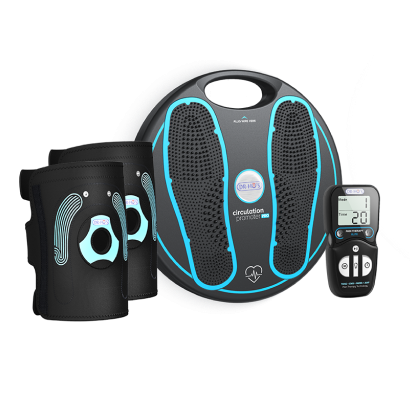
Now you know that you really can use a TENS machine for arthritis pain. If you're ready to get started on your journey towards a life with less pain, try the Pain Therapy System from DR-HO'S with a 100-day money-back guarantee!
Learn more about products featured in this post!
Discover what Pain Therapy System devices from DR-HO'S can do.
Disclaimer: This content is for informational purposes, and should not be treated as medical advice. While our advanced TENS machine can benefit various pain conditions through its sophisticated combination of TENS, EMS, and NMES guided by our proprietary AMP Technology, proper diagnosis ensures optimal pad placement and treatment protocols. Always consult a healthcare professional for an accurate diagnosis before beginning any treatment program.