



 Achy Muscles
 Arthritis, Bursitis & Tendonitis
 Back Pain
 Fibromyalgia
 Foot & Lower Leg Pain
 Joint Pain
 Knee Pain
 Neck Pain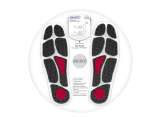

Updated July 21, 2026
Sore muscles from yard work usually come from physical exertion, repetitive motions, bending and kneeling, weather conditions, and lifting heavy yard waste - all of which can strain your muscles and leave you feeling pain and fatigue after fall chores. While it's nice to take a moment to admire the vibrant hues of the fall foliage, your natural next thought is probably about all the raking, pruning, and hauling you'll soon have to do.
If fall yard work leaves you with muscle pain or discomfort, this article will show you what makes yard work so tough on your body and how to prevent and manage neck and back pain with warm-up stretches, better pacing, breaks, heat or ice, and DR-HO'S pain therapy devices so you can get the job done more comfortably and enjoy the season more.
What makes yard work and muscle pain painful?
There are many factors that make fall yard work painful. Here, we'll shed some light on the demanding aspects of this seasonal task, since pain often comes from unaccustomed work and awkward positions, not just the season's workload.
Physical exertion
Fall yard work typically involves a range of physically demanding tasks, such as raking leaves, cleaning gutters, pruning bushes, and even hauling heavy bags of yard waste. These activities can strain muscles, leading to soreness and fatigue. Gardening and yard work are a form of physical activity that uses the whole body, and repetitive jobs plus heavy lifting commonly lead to muscle soreness.
Repetitive motions
Many fall yard tasks require repetitive motions, such as raking leaves or mowing the lawn. Over time, these motions can lead to muscle overuse and strain, contributing to discomfort and pain.
Bending and kneeling
Tasks like planting bulbs, pulling weeds, and tending to flower beds often require prolonged periods of bending and kneeling. These positions can place stress on the back, knees, and joints, leading to discomfort and stiffness, so avoid bending forward for long periods and keep your core engaged with a neutral spine to reduce strain.
Weather conditions
Fall weather can be unpredictable, with chilly mornings and sudden temperature drops. Exposure to cold and damp conditions while working outdoors can contribute to muscle tension and discomfort.
Lifting heavy objects
Transporting bags of leaves, branches, and other yard waste can strain the back, shoulders, and arms. When lifting, stand with your feet shoulder-width apart and use your legs instead of your back. Improper lifting techniques can exacerbate this issue, potentially resulting in pain and injury. Ergonomic options such as long handled tools, a garden cart, a small stool, and knee pads can also reduce strain during garden tasks.
Four Ways to Manage Your Pain
Managing pain from yard work is essential to ensure your well-being and make the experience more enjoyable. Here are some effective ways to alleviate and prevent pain:
Warm-up stretching
It is recommended to warm up for 5-10 minutes before yard work or gardening, just as you would before a good workout. To prevent any strain, focus on the muscle groups you'll be using, such as your back, shoulders, and legs. Try marching in place and standing back extensions before you start. This helps increase blood flow, improve flexibility, and reduce the risk of strain.
Take a break
Take frequent breaks to help reduce muscle fatigue and avoid over-exertion. Set a timer and stop to stretch every 20-30 minutes so your muscles don't get stiff or fatigued. Be sure to stay hydrated and rest briefly between tasks.
Better yet, work at your own pace, focus on one task at a time, and break larger jobs into smaller sessions or switch tasks to avoid overuse.
Heat/ice sore muscles
If you notice any soreness, apply ice for the first 24-48 hours to reduce inflammation. After that, apply heat to help relieve stiffness after intense activity when muscles feel tired and sore.
Pain therapy devices
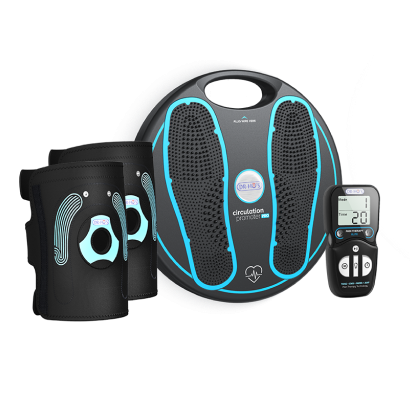
When tackling the physical demands of fall yard work, consider incorporating advanced pain relief solutions into your routine. Explore the benefits of DR-HO'S pain therapy devices that offer proactive muscle pain alleviation right in the comfort of your home. These cutting-edge technologies utilize electrical nerve and muscle stimulation to provide targeted relief and optimize your ability to handle tasks with ease.
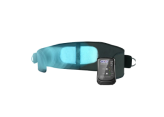
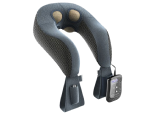
DR-HO'S Neck Pain Pro, the Circulation Promoter, and the Triple Action Back Belt allow you to take a proactive stance against muscle pain during fall yard work by:
-
Mitigating discomfort and tension in your neck with the Neck Pain Pro.
-
Enhancing blood circulation and aiding muscle recovery with the Circulation Promoter.
-
Embracing lumbar support and back pain relief with the Triple Action Back Belt.
The Triple Action Back Belt
The Triple Action Back Belt might be the device best suited for relieving muscle pain related to yard work. The portable device was designed to follow you wherever your pain does - just strap it onto your back to stabilize it. With its built-in TENS Therapy (Transcutaneous Electrical Nerve Stimulation) and EMS (Electrical Muscle Stimulation) technology, it relieves tension and back pain by offering a gentle pulse that triggers the controlled contraction and relaxation of your back muscles for an effect you can immediately feel.
Just ask our customer Cathleen: "When I'm doing chores, I actually feel rejuvenated because I'm having the TENS machine go on. It gives me lumbar support, so I'm able to do [chores] for much longer and without a lot of fatigue and I have no pain at the end of the day."
SHOP DR-HO'S TRIPLE ACTION BACK BELT
Don't fall into pain: tips for pain relief.
By incorporating this device into your post-yardwork routine, you can enjoy increased comfort, improved performance, and a renewed sense of confidence in your ability to complete the task, even when soreness peaks 24 to 72 hours later, lasts for a few days, and reflects Delayed Onset Muscle Soreness (DOMS) after overexertion. Light active recovery like walking, yoga, and simple stretches can help maintain your range of motion. Good self care also includes adequate sleep and a balanced meal to support recovery. Massage can promote relaxation, help reduce inflammation, improve flexibility, and support a greater range after time in the garden. For chronic tension, flare ups, joint pain, or ongoing aches and pains, consider a licensed massage therapist, a physical therapist, or physical therapy.
Disclaimer: This content is for informational purposes, and should not be treated as medical advice. While our advanced TENS machine can benefit various pain conditions through its sophisticated combination of TENS, EMS, and NMES guided by our proprietary AMP Technology, proper diagnosis ensures optimal pad placement and treatment protocols. Always consult a healthcare professional for an accurate diagnosis before beginning any treatment program.
Check out the Triple Action Back Belt and other DR-HO’S products!