


 Achy Muscles
 Arthritis, Bursitis & Tendonitis
 Back Pain
 Fibromyalgia
 Foot & Lower Leg Pain
 Joint Pain
 Knee Pain
 Neck Pain

Understanding old age aches and pains
Are you having more frequent aches and pains, feeling stiff in your joints and getting slower on your feet as the years go by? You’re not alone! This is a completely normal result of aging. Elderly people often experience changes in their health, and maintaining general health, flexibility, and mobility becomes increasingly important as we age. No one can stop the clock, but getting older doesn’t mean you have to completely limit or cut off your activity. The key is to find ways to counteract old age aches and pains and get moving in a way that feels comfortable and pain-free.
Persistent musculoskeletal pain is highly prevalent among older adults, with rates ranging from 40% to 60%. This persistent pain is associated with significant disability and is linked to falls, frailty, depression, anxiety, sleep disturbance, reduced mobility, and impaired cognitive function. Additionally, pain and depression in older adults are independent risk factors for one another, creating a reciprocal relationship.
Keep on reading as we answer common questions about age-related pains and highlight a few pain relief tips that will allow you to manage your pain no matter your level of fitness.
Why does aging bring aches and pains?
As we age, there are changes to our bones, muscles and joints that can lead to aching, soreness and pain. Age-related bone loss occurs in both men and women, resulting in decreased bone density and increased risk of osteoporosis. These changes can weaken the musculoskeletal system, causing pain and discomfort during daily activities. Additionally, older adults may underreport pain due to stoicism or fear of being perceived as weak, which can complicate pain management.
Age-related changes in the bones
The structure of our bones changes as we get older and this results in reduced bone tissue. Low bone mass means bones are weaker and that places people at risk of breaking bones from a sudden bump or fall. Here are a few reasons that cause our bones to lose their density as we age:
-
A less active lifestyle can cause stiffness in the bones
-
Hormonal changes affect both men and women, causing loss of minerals in bone tissue and development of osteoporosis (those who have osteoporosis are at greater risk of bone fractures).
Age-related changes in the muscles
Muscles lose their size as we get older, which can contribute to fatigue, weakness and reduced tolerance to physical activity. This is caused by a number of factors including:
-
Muscle fibres reduce in number and shrink in size
-
Lost muscle tissue is replaced by tough and fibrous tissue
-
Changes in the nervous system that cause muscles to reduce the ability to contract and relax properly
Our bones do not directly connect but are cushioned by cartilage that lines the joints, synovial membrane and lubricating fluid. As we age, the ligaments and tendons that hold our joints together become “stiff and leathery”, the lubricating fluid decreases and the cartilage becomes thinner. Being inactive causes the cartilage to shrink and stiffen, reducing joint mobility.
When discs in the neck and lower back degenerate, the soft material inside the discs may bulge out or rupture, pressing on the nerves or spinal cord. A slipped disc is a common cause of nerve pain and lower back pain. Depending on the affected discs, you could experience neck pain, lower back pain or sharp, shooting pain in the hips and down the legs.
It is important to note that, sometimes, joint or muscle pain could indicate a medical problem that needs to be diagnosed and treated. Listen to your body and use your judgement; if it's severe, comes on suddenly, or has you worried, see your doctor. Ultimately, it is never a bad decision to see a trusted doctor for any new or worsening pain or discomfort.
Identifying the source of pain in older adults
Pinpointing the source of pain is a crucial first step in managing pain effectively for older adults. As we age, chronic pain, joint pain, and persistent aches can become more common, but understanding what’s causing your discomfort can make all the difference in finding the right pain relief strategies.
Many older adults experience joint pain due to conditions like rheumatoid arthritis, osteoarthritis, or other forms of inflammatory arthritis. These conditions often lead to swollen joints, morning stiffness, and reduced mobility. Muscle tension, muscle strains, and age-related changes in bone density and muscle mass can also contribute to body aches and sore muscles. Sometimes, poor posture or too much pressure on certain areas can trigger sharp pain or nerve pain, especially in the back or neck.
To help identify the source of your pain, start by paying attention to the affected areas, the type of pain you feel (such as dull, sharp, or throbbing), and when it occurs. Does your pain get worse with movement or physical activity? Does it improve with rest, an ice pack, or a heating pad? Noting these patterns can help you and your healthcare provider determine whether your pain is related to joint health, muscle stiffness, or another underlying medical condition.
A thorough assessment often includes a review of your medical history, a physical examination, and sometimes diagnostic tests like X-rays or blood work. This comprehensive approach helps rule out serious medical conditions and ensures that your pain management plan is tailored to your specific needs.
Managing pain in older adults usually involves a combination of lifestyle modifications, physical therapy, and medical treatments. Low-impact exercises such as walking, swimming, or cycling can help relieve joint pain, maintain muscle mass, and improve flexibility without putting too much pressure on your joints. Strength training and regular stretching are also important for optimizing function and reducing the risk of falls. Maintaining a healthy weight and following a balanced diet rich in anti-inflammatory foods can further reduce inflammation and support overall well-being.
If you’re dealing with persistent or severe pain, it’s important to consult your healthcare provider. They may recommend nonsteroidal anti-inflammatory drugs (NSAIDs), muscle relaxants, or other medications to alleviate pain and reduce inflammation. In some cases, alternative therapies like cold therapy, warm baths, or massage can help relieve pain and promote relaxation.
Self-care techniques can also play a role in managing common aches and pains. Simple strategies like regular stretching, using an ice pack or heating pad, and taking time for a warm bath can help soothe sore muscles and reduce joint pain. However, if your pain is persistent, severe, or accompanied by other symptoms, don’t hesitate to seek medical advice to rule out more serious conditions.
Ultimately, identifying the source of pain and working closely with your healthcare team allows you to develop a comprehensive pain management plan. By combining medical treatments, physical activity, and healthy lifestyle choices, older adults can reduce pain, improve joint health, and support healthy aging for better overall well-being.
How do I find relief from aches and pains that come with aging?
Though aging is a natural process, it doesn’t mean that we’re destined to feel more pain or that we need to tolerate it.
When assessing and managing old age aches and pains, it is important to consider mental health as a key factor, as it interacts with pain, mood, and social engagement. A comprehensive assessment of pain in older adults should include its impact on psychological and social well-being. Chronic pain can also lead to social isolation in older adults, affecting their overall quality of life.
The key to feeling fewer aches and pains is to maintain flexibility, strengthen muscles through daily exercises and boost your diet with healthy fats, protein and vitamins.
1. Types of exercise that are beneficial for old age aches and pains
Aerobic Activities
Not all of us are the sporty type, but physical activities can take many forms and aerobic exercise is one of them. These types of exercises are ones that we can do anywhere and anytime. Whether it’s taking the stairs instead of the elevator, walking instead of driving, or kick-starting your day with a light and energy-boosting exercise, these activities help increase blood flow, which supports joint and muscle health and can help reduce pain.
If you enjoy taking walks, it may be helpful to use a pedometer or step counter to see how active you are and track your progress. This may help you determine how you could optimize your activity, especially at certain times of the day or on certain days of the week. There are no official rules on how many steps you should do each day, but the more steps you do, the better your fitness and health can become over time. The more active older adults are, the better they can maintain joint health and reduce pain. Movement of the joints and the associated “stress” of movement helps to keep the lubricating fluid moving, and in return, increase your range of motion.
Regular aerobic exercise can also help reduce the risk of cardiovascular disease in older adults. Staying physically active is key to managing osteoarthritis, as it keeps blood circulating and strengthens the muscles around the joint, reducing pain. Gentle exercises such as walking and swimming help maintain muscle strength and joint flexibility in older adults.
In the summertime, it may be a good idea to try swimming or water aerobics, this type of exercise can help maintain muscle mass and promote flexibility while being low-impact.
Balance and Coordination Exercises
As we age, we are more vulnerable to falls and fractures. Work at keeping your muscles and joints flexible with a balance and coordination exercise such as tai-chi, yoga, cycling and even dancing. Keep in mind, it’s never too late to start! Once you’ve built up your fitness gradually, try having a go at a few different activities and see what suits you best!
Strengthening Practices
A complementary component to a well-rounded exercise program is strengthening exercises. Though it’s commonly thought that we lose muscle strength as we age, it’s possible to limit how much strength we lose and how much we gain.
Strengthening exercises doesn’t have to mean lifting heavy weights — the following daily activities can help too! To enjoy even better results, try pairing these with flexibility exercises.
To increase chest and shoulder strength:
-
Stand about 3 feet away from a wall, facing the wall, with your feet shoulder-width apart.
-
Lean forward and place your hands flat on the wall, in line with your shoulders. Your body should be in plank position, with your spine straight, not sagging or arched.
-
Lower your body toward the wall and then push back.
-
Repeat 10 times.
To increase strength and stability in the feet:
-
Sitting in a chair and keeping your heels on the floor, lift your toes high enough that you can feel the muscles along your shin working. (This helps keep blood circulating in your legs and also strengthens the lower leg.)
-
Repeat 20 times.
To increase strength in the abdominal muscles:
-
Lie on your back, take a deep breath and tighten your abdominal muscles.
-
Hold for 3 breaths and then release the contraction.
-
Repeat 10 times.
Try doing these exercises regularly and see the difference in your physical, mental, and emotional health. Regular physical activity can help optimize function and improve your ability to manage old age aches and pains. Remember to start slow, especially if you are new to exercise, to prevent injury and manage pain effectively. Set realistic goals for your pain management and physical activity—being completely pain-free may not be possible, but achievable, tailored objectives can help you improve your quality of life.
2. A purposeful diet to support your bones, muscles and joints
These diet tips can help you get started:
-
Eat the rainbow: Cruciferous vegetables such as broccoli, brussels sprouts, cabbage and cauliflower are best as they can help fight inflammation, which is the main cause for conditions such as arthritis and osteoarthritis.
-
Increase vitamin D intake: Strengthen bones by helping your body absorb more calcium through vitamin D. Low-fat dairy products and canned whole sardines are good sources of calcium.
-
Opt for low-fat protein: Maintain muscle mass by getting plenty of low-fat protein. Fish is ideal and try to limit your red meat consumption.
-
Include healthy fats: Substitute butter and fat with these vitamin-E-rich olive oils, salmon, almonds, peanut butter and avocados.
Diet plays an extremely important role in helping you manage your weight while supporting your bones, muscles and joints, which in turn, can help to prevent old age aches and pains.
3. TENS & EMS Therapy for aches and pains
TENS Therapy (Transcutaneous Electrical Nerve Stimulation) is delivered via a TENS device that conducts safe, gentle electrical stimulation through conductive, adhesive pads to pain-affected areas. Certain TENS devices also use EMS (Electrical Muscle Stimulation) to target both the nerves and the muscles with gentle, yet powerful stimulation. A TENS device can be an effective choice for pain sufferers looking for temporary pain relief when it strikes. Learn more about what TENS and EMS are:
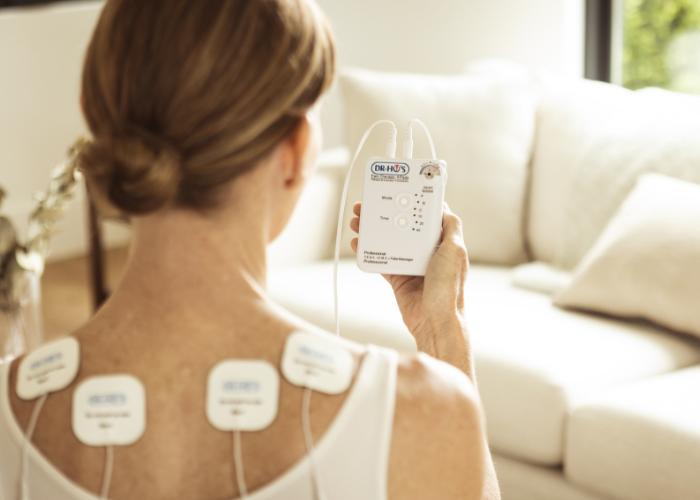
TENS Therapy: TENS gently stimulates the nerves to help reduce pain signals sent to the brain and provide temporary relief of pain. Additionally, TENS therapy is thought to aid in the release of endorphins — a naturally occurring chemical that may also provide temporary pain relief. TENS and EMS therapy can be helpful for some chronic pain conditions, but chronic pain management in older adults often requires a multidisciplinary approach due to the complexity of their health conditions.
EMS Therapy: EMS gently stimulates healthy muscles, causing them to contract and relax in order to increase local circulation and soothe sore and aching muscles. Stimulating healthy muscles can also help to improve and facilitate muscle performance. Turn it on and start to feel the soothing stimulations!
It is important to note that clinical trials often exclude older adults, which limits understanding of these therapies for this population. For more comprehensive information on pain management, the Cleveland Clinic is a reputable source with extensive resources and expertise.
Aging doesn’t have to be accompanied by aches and pains. We hope you come away from this with valuable information that helps you establish a pain management routine with confidence and ease. Find what works best for you and start feeling better!
Find more information on TENS and product recommendations for pain relief:
-
Learn more about how a TENS machine works to temporarily relieve pain
-
Find out how to place body pads from your DR-HO’S device to target back spasms
-
5 Lower Back Pain Relief Stretches & Simple Yoga Moves [Updated for 2021]
Disclaimer: DR-HO'S content is intended for informational purposes only and should not be taken as medical advice. Please consult a certified medical professional for diagnosis and treatment recommendations.