



 Achy Muscles
 Arthritis, Bursitis & Tendonitis
 Back Pain
 Fibromyalgia
 Foot & Lower Leg Pain
 Joint Pain
 Knee Pain
 Neck Pain
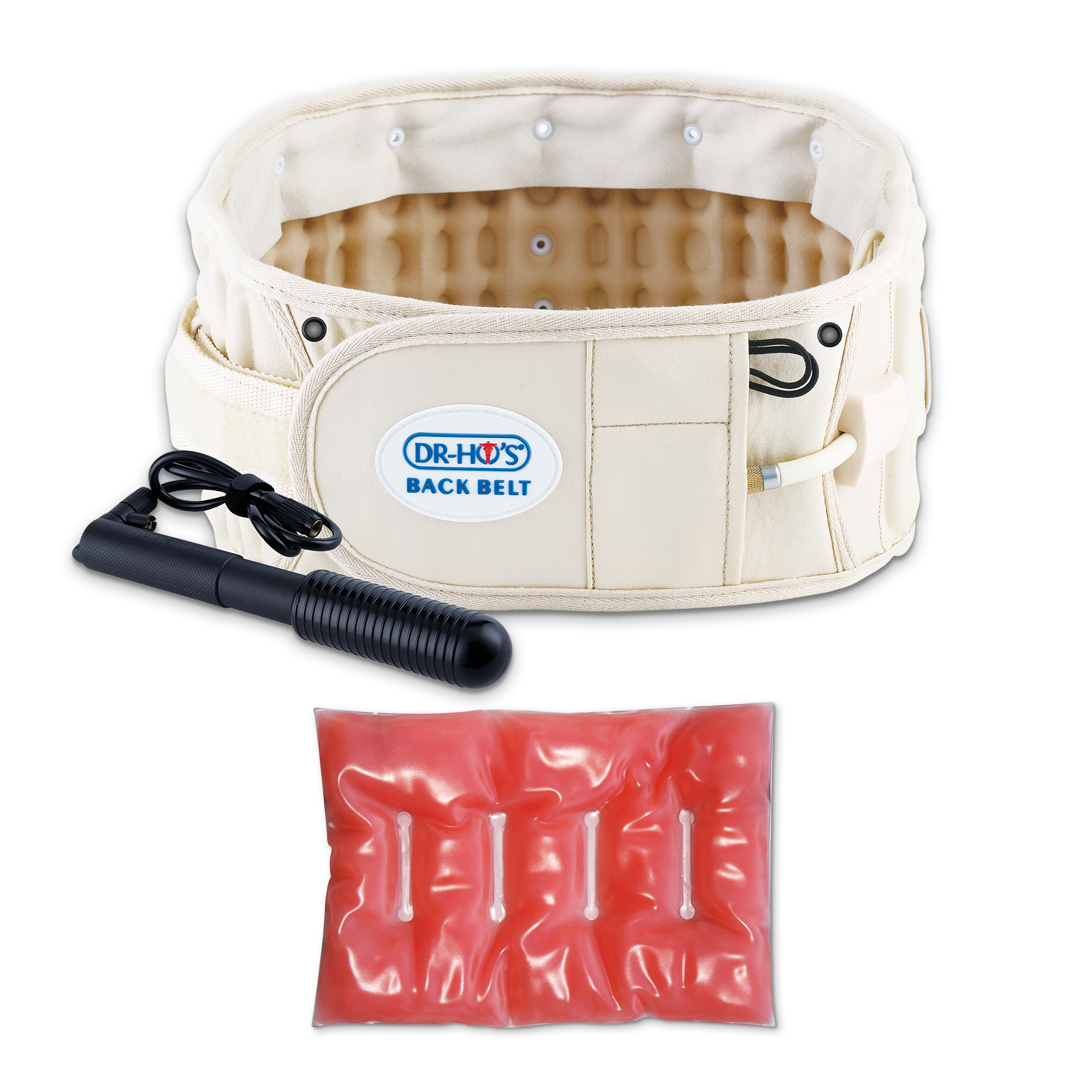
Pain Relief Devices for Back Pain
Your drug-free, at-home guide to managing back pain through evidence-based care.
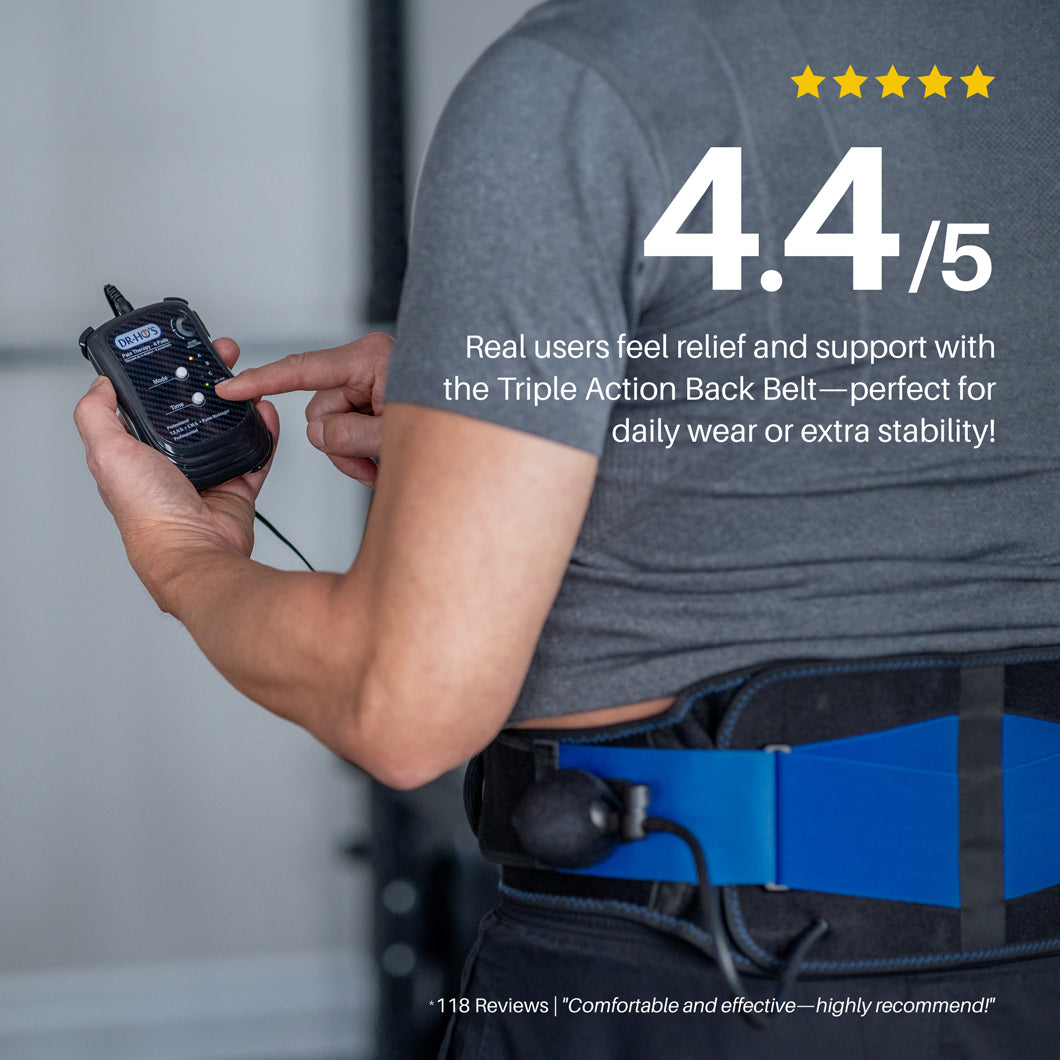
Back pain is one of the most common things in the world, and it is also one of the most mismanaged. The right approach isn't a pill or a procedure. It starts with staying active, and it gets smarter from there. DR-HO'S devices are built to complement that plan by going beyond basic TENS. They combine EMS, NMES, and our patented AMP technology to give you more complete, day-to-day relief. [1, 2, 3]
Read More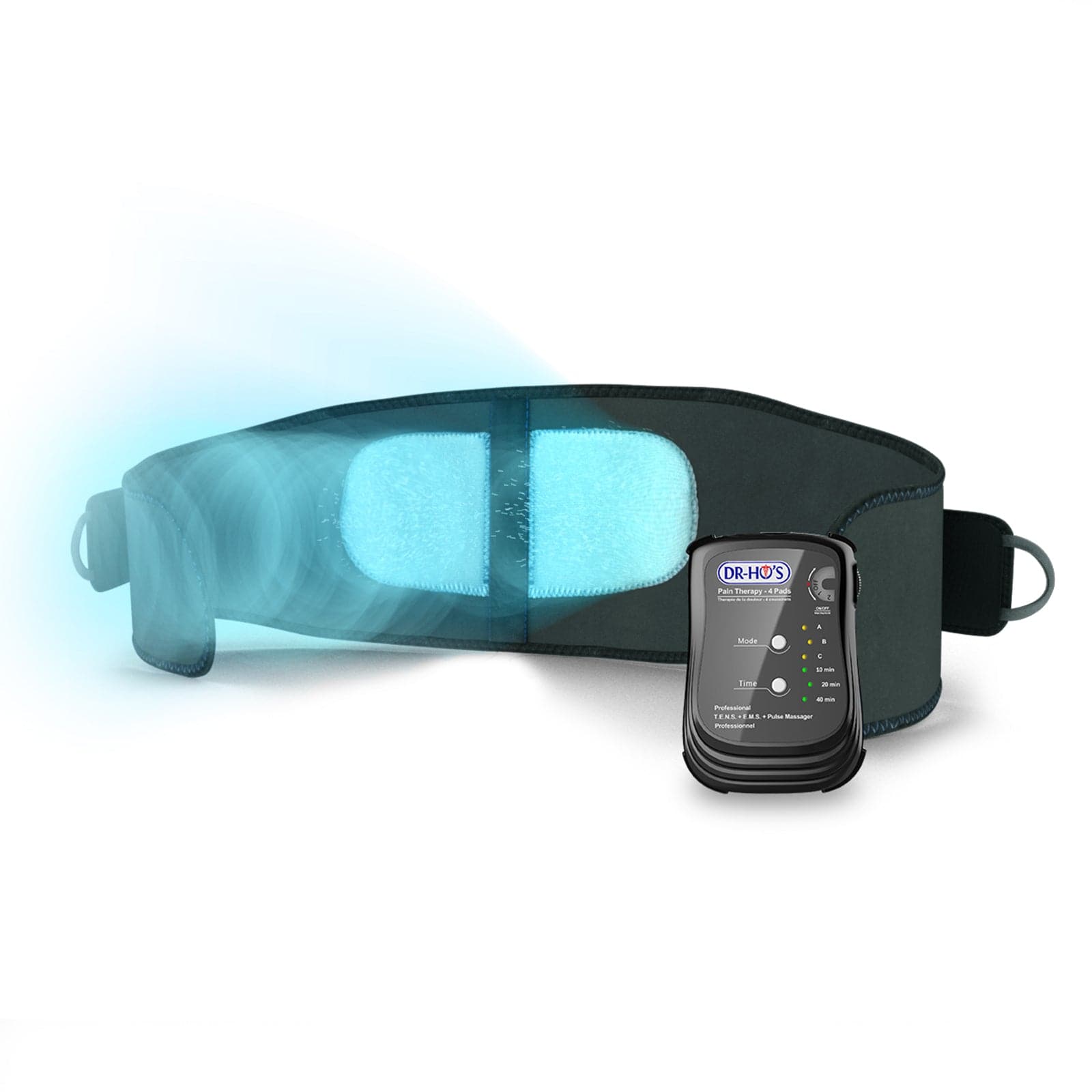
Pain Exploration

What is Low Back Pain (LBP)?
Low back pain (LBP) is pain felt between the lower edge of your ribs and your buttock crease. [1] There are three types, and knowing yours matters:
Non-specific LBP:
No clear structural cause. This accounts for roughly 90% of all cases.Radicular Pain:
Nerve root irritation, which is commonly known as sciatica.Specific LBP:
Pain from a known condition, such as a fracture, infection, or inflammatory disease.
Duration of Pain
Pain is also categorized by how long it lasts:
Acute:
Less than 4–6 weeks.Subacute:
Between 4 and 12 weeks.Chronic:
Longer than 12 weeks.
Who It Affects and What to Expect
Low back pain is the single leading cause of disability worldwide. In 2020, roughly 619 million people were living with it globally, and that number is climbing. [1, 2] It can strike at any age, though prevalence rises as we get older.
Here's the encouraging part: many people improve within the first few weeks or months. Guidelines from the WHO and NICE confirm that acute and subacute pain often resolves with time and activity. [1, 4] That said, be realistic: around 50–65% of people still report some pain 12 months after their first episode, and recurrence is common. [12] Early improvement is real. So is the need for a long-term plan.

Treatment Approaches for Back Pain
Available Treatment Modalities
Your Hierarchy of Care
The American College of Physicians (ACP) and NICE both recommend a stepped approach: start simple, escalate only when needed. [3, 4]
First-Line Self-Care:
Stay active. Avoid prolonged bed rest. Apply superficial heat for acute relief. These aren't suggestions — they're the foundation. [3, 4]Exercise and Physical Therapy:
Walking, yoga, strengthening, and motor-control exercises all deliver consistent benefits for chronic LBP. [3]At-Home Devices:
Heat/cold packs, lumbar supports, and stimulation devices (TENS + EMS/NMES) are effective tools for day-to-day symptom control. [5, 6, 9]Medications:
If you need them, NSAIDs like ibuprofen are the first-line pharmacologic choice. Note: acetaminophen (paracetamol) is no longer recommended as first-line for acute LBP, per the PACE trial. [10]Interventional Procedures:
For sciatica or confirmed joint pain, doctors may consider epidural steroid injections or radiofrequency denervation. [7, 8]Surgery:
Reserved for specific structural problems — like severe nerve compression. Not routinely recommended for non-specific LBP. [3, 4]
When to Seek Medical Care (Red Flags)
Most back pain is manageable at home. But seek urgent medical evaluation if you experience any of the following: [4]
- New bowel or bladder dysfunction.
- Numbness around the groin (saddle anesthesia).
- Progressive weakness in the legs.
- Fever with severe back pain.
- A history of cancer or unexplained weight loss.
- Recent significant trauma or signs of infection.
How DR-HO'S Can Help
How DR-HO'S Technology Addresses Back Pain
DR-HO'S at-home systems combine multiple pain-relief modalities into one easy-to-use device. These are designed to work alongside your recovery plan, not replace it.
Understanding the Technology
TENS (Transcutaneous Electrical Nerve Stimulation):
Mild electrical impulses delivered through the skin to help interrupt pain signals. Safe, non-invasive, and supported by systematic reviews as a low-risk option for short-term relief. [5, 6]EMS/NMES (Neuromuscular Electrical Stimulation):
Stimulates the muscles directly to support conditioning, strength, and recovery. Studies suggest NMES can improve muscle strength and endurance in chronic LBP — especially alongside a structured exercise program. [9]AMP (Auto-Modulated Pulse):
DR-HO'S patented technology. AMP delivers over 300 varying stimulation patterns automatically so your body never adapts and the relief stays consistent. That's the difference between DR-HO'S and a basic TENS unit.
How to Use Safely
Use your device consistently alongside your rehab exercises, at a comfortable intensity. You should feel it working, not wincing. Follow the pad placement instructions, or ask a physiotherapist for guidance tailored to your specific condition.
Safety Precautions:
Do not use
if you have an implanted cardiac device, such as a pacemaker or defibrillator. [11]Do not apply
pads over broken or irritated skin.- Consult a medical professional before use if you have specific health concerns.
Treatment Protocol for [CONDITION]
Lorem ipsum dolor sit amet, consectetur adipiscing elit. Etiam mattis nisl eget nibh aliquet, eu auctor augue sollicitudin. Nullam gravida et quam in pellentesque. Quisque auctor enim est, vel fringilla massa ullamcorper mattis. Cras condimentum ut velit quis accumsan.
Proin eget lacinia est. Morbi placerat accumsan mauris, fringilla efficitur libero venenatis quis. Curabitur condimentum magna a nisi vehicula ultricies. Nulla diam felis, volutpat vitae ante at, porta tempus orci.
Find relief with DR-HO’S
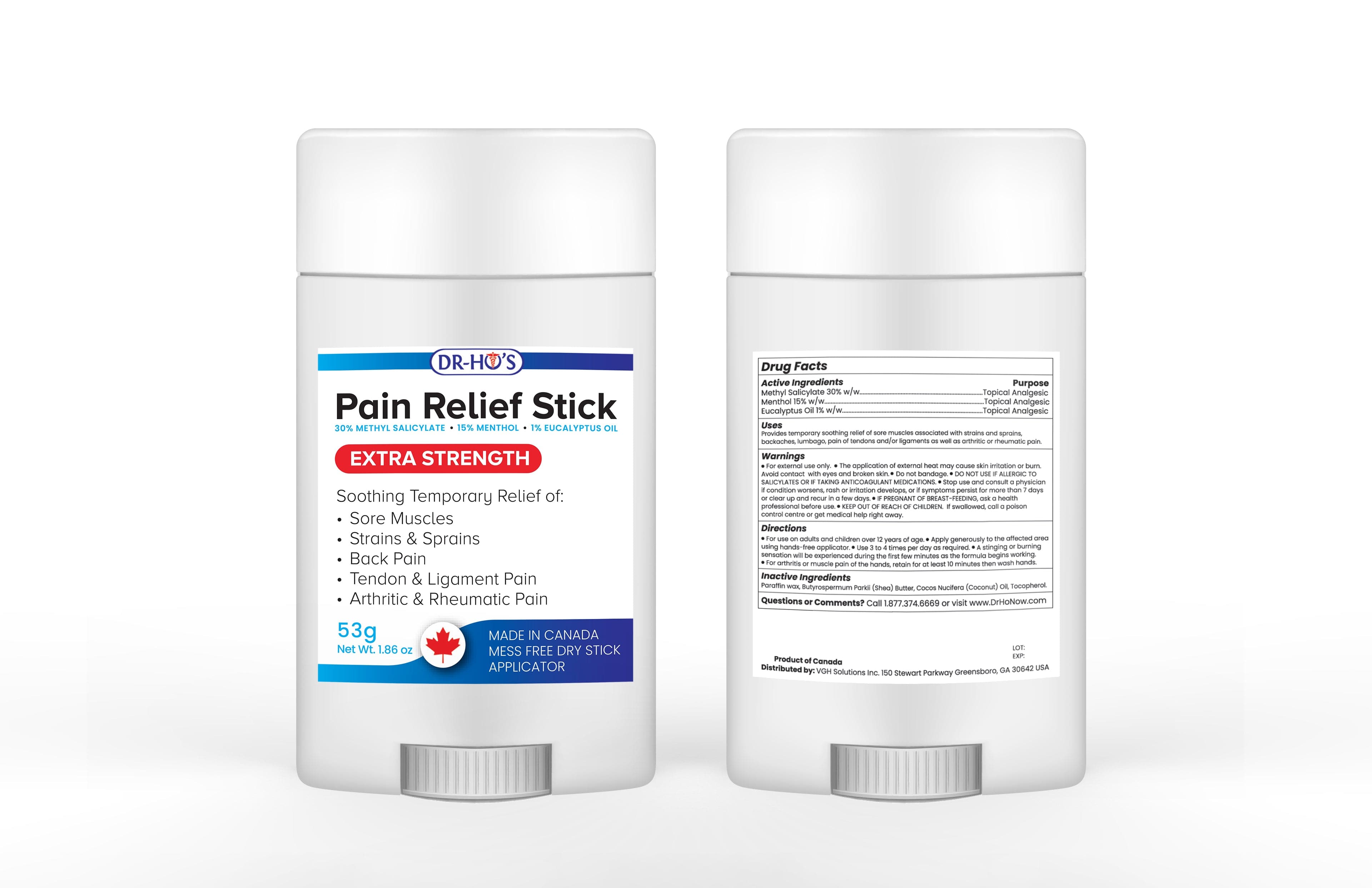
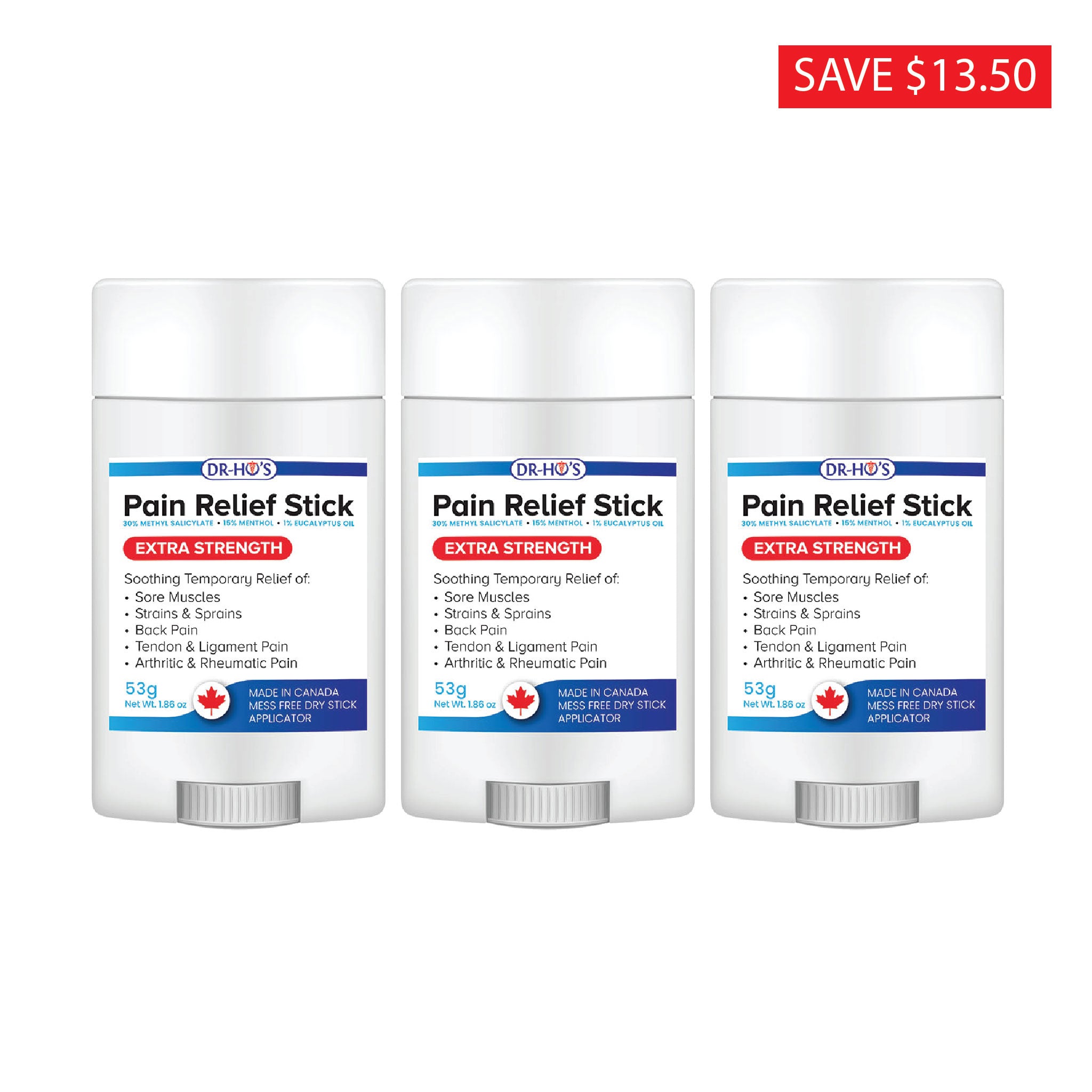
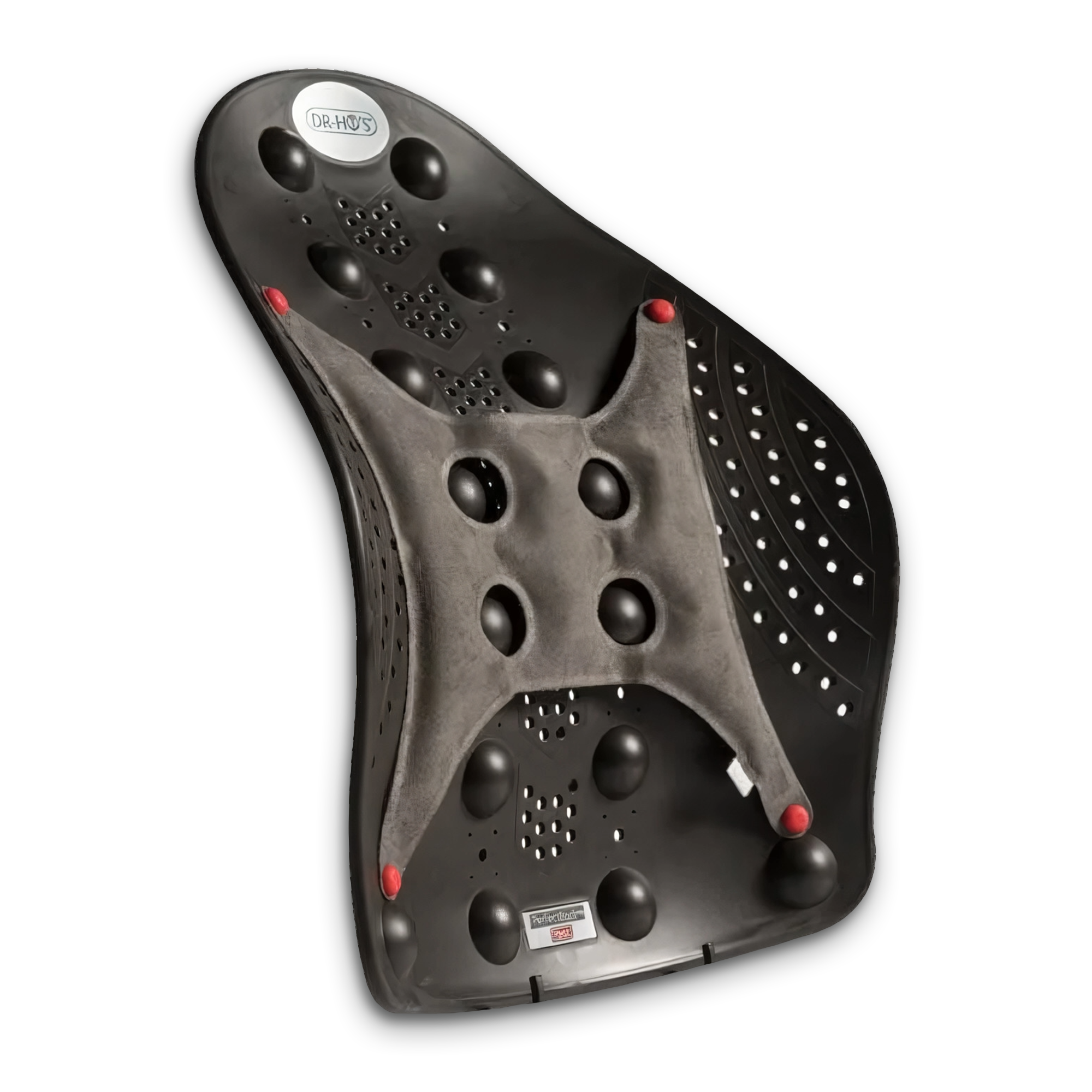
thousand have found relief with DR-HO’S

Condition
“I try to use the MotionCiser when I sit to watch TV. It is very soothing and over a period of time, I believe it is helping my circulation.”
Judy W, Verified Buyer
Condition
“I try to use the MotionCiser when I sit to watch TV. It is very soothing and over a period of time, I believe it is helping my circulation.”
Judy W, Verified Buyer
Condition
“I try to use the MotionCiser when I sit to watch TV. It is very soothing and over a period of time, I believe it is helping my circulation.”
Judy W, Verified Buyer
Condition
“I try to use the MotionCiser when I sit to watch TV. It is very soothing and over a period of time, I believe it is helping my circulation.”
Judy W, Verified Buyer
Condition
“I try to us"
Judy W, Verified Buyer
Frequently Asked Questions About [CONDITION] Treatment
How to use?
Most users notice reduced swelling and less discomfort within 2-3 weeks of consistent daily use. Significant circulation improvement typically becomes measurable at 4-8 weeks. The timeline varies based on your baseline circulation health and consistency—15 minutes daily produces optimal results.
Is this safe for diabetics with neuropathy?
Yes. Motion Ciser is specifically recommended for diabetic patients managing circulation and neuropathy concerns. The passive motion improves blood flow to extremities without requiring exertion that might be contraindicated. However, always consult your physician before starting any new therapy, especially with diabetes management.
Can I use this if I have limited mobility or am in a wheelchair?
Absolutely. Motion Ciser is designed specifically for people with mobility limitations. As long as you can sit and place your feet on the device platform, it will work. The device does 100% of the movement—you simply need to be seated. Many wheelchair users and post-surgery patients use Motion Ciser during recovery.
How is this different from a foot massager?
Foot massagers provide temporary comfort through vibration or compression. Motion Ciser is an FDA-cleared medical device that uses passive motion therapy to mechanically improve circulation by activating your calf muscle pump mechanism. It's treating the root cause of poor circulation, not just symptoms. The clinical research behind passive motion therapy is extensive—this isn't a relaxation device, it's a circulation treatment tool.
Will this interfere with my pacemaker or other medical devices?
Motion Ciser is a mechanical device with no electrical stimulation to your body—it simply moves your feet. However, if you have a pacemaker, implanted medical device, or any cardiovascular condition, consult your physician before use. Your doctor can review your specific situation and advise whether passive motion therapy is appropriate.
How often should I use it?
The recommended protocol is 15 minutes daily for optimal circulation benefits. You can use it once per day or split into multiple shorter sessions (two 7-8 minute sessions). Consistency matters more than duration—daily 15-minute use produces better results than sporadic longer sessions.
Is it loud? Can I use it during work calls?
Motion Ciser operates whisper-quiet. Many users place it under their desks and use it during video calls without anyone noticing. The motor is engineered for silent operation specifically so you can integrate it seamlessly into your daily routine.
What's the weight limit?
Motion Ciser safely supports users up to 300 lbs. The device is engineered with medical-grade materials built for durability and repeated daily use.
References:
Jeonbuk National University Hospital. (2021). "Effectiveness of Whole-Body Vibration Training to Improve Muscle Strength and Physical Performance in Older Adults." PMC.
Multiple Universities. (2024). "Impact of Whole-Body Vibration Therapy in Elderly Populations: A Scoping Review." PMC.
Oxford Academic Physical Therapy Journal. (2024). "Whole-Body Vibration to Improve Physical Function Parameters in Nursing Home Residents Older Than 80 Years." PMC.
European Review of Aging and Physical Activity. (2020). "Effects of vibration therapy on muscle mass, muscle strength and physical function in older adults with sarcopenia."
Ridge & Company. (2025). "Vibration Plates - Are They Safe for Seniors?"
European Review of Aging and Physical Activity. (2012). "Is whole-body vibration beneficial for seniors?"
Osteoboost. (2024). "Osteoboost - FDA-Cleared Vibration Therapy for Low Bone Density."