





 Achy Muscles
 Arthritis, Bursitis & Tendonitis
 Back Pain
 Fibromyalgia
 Foot & Lower Leg Pain
 Joint Pain
 Knee Pain
 Neck Pain
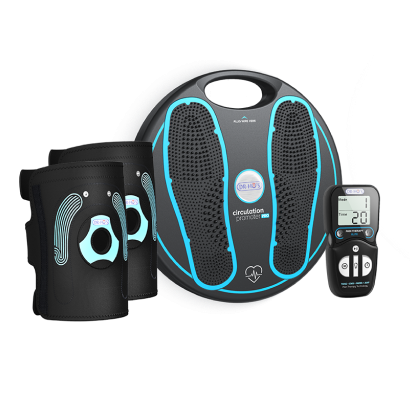

TENS stands for Transcutaneous Electrical Nerve Stimulation, and a TENS machine is a device used to provide pain relief by sending electrical pulses through sticky pads (electrodes) placed on the skin. A TENS machine works by delivering these electrical impulses to the nervous system, which helps block pain messages from reaching the brain and spinal cord, and can stimulate the body's production of endorphins, natural pain relievers. TENS units are small, portable, and can be used discreetly throughout the day for pain relief.
Based on user experience and clinical recommendations, most people use a TENS machine for session durations of 20–30 minutes in most cases, but the optimal duration and frequency depend on several factors, including whether the pain is acute or chronic, individual patient response, and certain conditions. Typical usage is 1 to 4 sessions per day, and beginners should start with shorter 10–15 minute sessions to gauge their body's reaction. Some patients may use a TENS unit for up to five hours a day, but it is important to take breaks to avoid muscle fatigue and overuse. Overuse of a TENS unit can lead to muscle fatigue, soreness, and reduced effectiveness, and using the device continuously in the same area for prolonged periods is discouraged. Long-term use can lead to the accumulation of waste materials in muscles, potentially causing damage over time, and using a TENS unit for extended periods without breaks can increase the risk of skin burns. Patients may develop a tolerance to TENS treatment, leading to reduced effectiveness over time, so taking breaks is important.
When using a TENS machine, always clean and dry the skin before applying the sticky pads, and apply electrode gel to the side of the electrode that will contact the skin to enhance conductivity. The intensity of the electrical stimulation can be adjusted using a dial, and patients should gradually increase the intensity to a comfortable level. Electrodes should not be placed on the front of the neck or eyes due to safety concerns. Persistent redness or allergic reactions are reasons to stop using the device. TENS units should not be used while sleeping to prevent tangling wires or shifting pads.
TENS units provide relief by blocking pain messages in the nervous system, reducing the pain signals sent by the body to the brain and spinal cord, and can alleviate swelling and promote a more efficient healing process by modulating inflammatory responses. TENS units can help reduce the intake of pain medications, which can be addictive or cause adverse side effects, and may be used in conjunction with prescribed medications to enhance pain management. Many people report success with TENS units for treating period pain, arthritis, fibromyalgia, and other types of pain, but scientific evidence is inconclusive regarding their overall effectiveness. People report varying experiences with TENS, and pain may return after the device is turned off.
To learn more about TENS and how it can provide relief, consult a healthcare provider for personalized advice.
The Importance of Electrode Placement
When it comes to getting the most out of your TENS therapy, electrode placement is key. Transcutaneous electrical nerve stimulation (TENS) works by sending small electrical impulses through the skin to stimulate nerves and help block pain signals from reaching the brain. For this pain relief method to be truly effective, it’s crucial to position the electrode pads correctly on the affected area.
The right placement of your TENS unit’s adhesive pads can make a significant difference in how well you manage pain. For acute pain, such as a recent injury or muscle strain, placing the electrodes on either side of the pain site helps target the pain signals directly. In cases of chronic pain, like ongoing back or joint discomfort, electrode placement may involve specific points along the body—sometimes even acupuncture points—to stimulate the body’s natural pain-relieving chemicals and provide longer-lasting relief.
The distance between electrode pads also matters. If the pads are too close together, you might experience a high intensity of electrical stimulation, which can be uncomfortable and less effective. On the other hand, placing them too far apart may not deliver enough electrical current to the nerves in the affected area, reducing the benefits of your TENS therapy. Adjusting the placement and gradually increasing the intensity allows you to find the most comfortable and effective setting for your needs.
To ensure you’re using your TENS device safely and effectively, always follow the manufacturer’s instructions for electrode placement. If you’re new to TENS therapy or unsure about where to place the pads for your specific type of pain, consulting with a healthcare professional or physical therapist can provide personalized guidance. They can help you determine the best electrode placement and settings to maximize pain relief and minimize the risk of skin irritation or muscle fatigue.
Proper electrode placement not only helps alleviate pain but also supports your overall pain management plan. Many people find that combining TENS therapy with other treatments, such as physical therapy or exercise, enhances their ability to manage pain and reduces their reliance on pain medications.
By understanding the importance of electrode placement and using your TENS unit as directed, you can take full advantage of this noninvasive method to relieve pain from both acute and chronic conditions. With the right approach, TENS therapy can be a valuable tool in your journey to better health and improved quality of life.
How Long Does it Take for TENS Therapy to Start Working?
Pain sufferers who try TENS machines for the first time are surprised to discover that the device starts working to stimulate muscle contractions right away. People report experiencing immediate relief when using a TENS machine. What separates DR-HO’S compared to other TENS units is that DR-HO’S is not only cleared to help temporarily relieve your pain as well as temporarily increase local blood circulation, but also, DR-HO’S frequency and wavelength is patented to have a massage like sensation. Therefore, the DR-HO’S devices are safe, effective and feel like a massage!
It should be noted, however, that TENS doesn’t “cure” pain, it temporarily relieves pain which can help with relief and pain management. While TENS can provide relief, its effectiveness varies between individuals and depends on proper usage.
Pain relief is often temporary, and pain may return after the device is turned off.
Many people have found success with TENS units, but scientific evidence does not conclusively support their reliability for pain management.

Are There Any Side Effects to Using TENS Therapy?
TENS therapy is FDA cleared and generally safe. However, patients should be closely monitored for any side effects during use. There are no significant adverse effects for most users, but it is important to watch for any unusual symptoms.
DR-HO’S TENS devices are FDA-cleared and approved by Health Canada, ensuring their safety for use. However, individuals with pacemakers, infants, and pregnant women are advised against using the device. For specific medical conditions or concerns, consult with a doctor or healthcare practitioner before use. Always consult with your doctor before trying a new form of pain relief, especially if you suffer from a preexisting health condition.
Disclaimer: This content is for informational purposes, and should not be treated as medical advice. While our advanced TENS machine can benefit various pain conditions through its sophisticated combination of TENS, EMS, and NMES guided by our proprietary AMP Technology, proper diagnosis ensures optimal pad placement and treatment protocols. Always consult a healthcare professional for an accurate diagnosis before beginning any treatment program.