



 Achy Muscles
 Arthritis, Bursitis & Tendonitis
 Back Pain
 Fibromyalgia
 Foot & Lower Leg Pain
 Joint Pain
 Knee Pain
 Neck Pain

June 02, 2026
Living with arthritis can be a challenge and not just because of the pain it causes you day-in and day-out. In addition to the difficulties of contending with pain, you also have to figure out ways to manage it. After all, everyone with pain experiences it differently, and unfortunately, there's no one-size-fits-all cure.
So, to help you on your journey toward a life with less arthritis pain, we've put together a list of some of the most important dos and don'ts of joint care. Keep reading and learn more about pain management strategies and lifestyle tips that can help with arthritis, as well as things you may want to avoid.
Do: Hand Stretches
Hand stretches can help arthritis sufferers strengthen the muscles in the hands, increase their flexibility and range of motion, and even increase the production of synovial fluid - a helpful lubricant for the joints.
Get started with these 3 simple stretches!

1. Make a loose fist and flex the fingers to fully straighten them. Repeat several times on both hands.
2. One by one, bend and then slowly straighten each finger. Repeat with each finger on both hands.
3. With fingers spread out, lay your hand flat on a surface and gently lift each finger for several seconds. Repeat with each finger on both hands.
Do: Apply Warm or Cold Compression
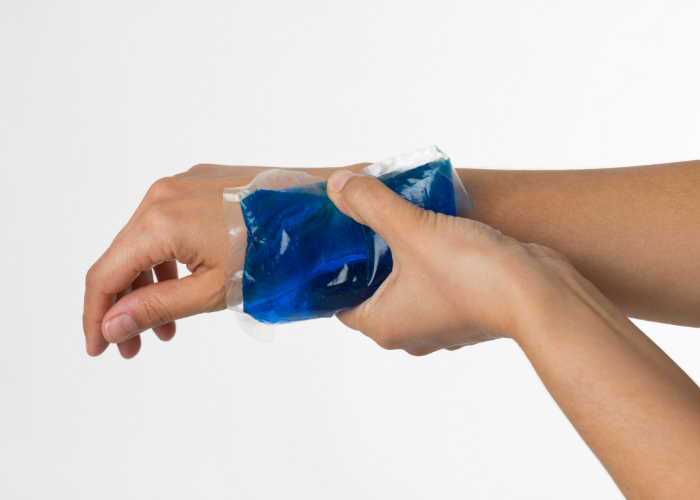
Depending on your personal preference, you can make use of warm and/or cold therapies to find some temporary relief from arthritis pain and help relieve arthritis pain:
Cold Therapy works by reducing blood flow and nerve activity, helping to numb sensations of pain. It can be especially beneficial for the swelling that often accompanies arthritis, and cooling the area may also ease pain and stiffness in the affected joints. Apply something cold to the affected area in the form of a cream, pad or ice pack.
We recommend that you only apply cold treatments for a few minutes at a time with frequent breaks.
Conversely, Heat Therapy can improve local circulation, promote tissue healing and improve muscle flexibility. This can be especially beneficial for those with arthritic hands who are looking to increase their range of motion in the wrists and fingers. Apply something warm to the hand in the form of a cream or hot towel, or visit a sauna or hot tub for an experience that’s not only pain-relieving but relaxing too!
Test the temperature of your heat application before widespread use and only apply heat for a few minutes at a time with frequent breaks.
Don’t: Put Unnecessary Strain on Your Hands

It can be frustrating when arthritis pain intrudes on your daily life - from your normal, everyday activities to the things you love to do most. Many arthritis sufferers find that their pain worsens with repetitive motion, like typing, doing up buttons, hair styling and more, and that strain can affect the finger joints. While on one hand, not being able to do the things you used to can impede your quality of life, on the other hand, it’s important not to force these things as unnecessary strain can worsen your pain.
As defeating as this may feel, it’s important to keep a positive attitude and think of the things you can do rather than the things you can’t do. For example, if you can’t open jars or cans due to your arthritis pain, try assistive devices like electric can openers and jar openers to help with everyday tasks, manage pain, and support managing arthritis while staying independent. If you struggle to hold bags while shopping, take shorter, more frequent trips, switch hands when possible, or ask a loved one to help. We encourage you to explore some of these creative ways to get around the things that your arthritis pain has made more challenging.
Do: Explore Hand Splints

In addition to the tools and lifestyle adjustments that can help you navigate life with arthritis, you can also try splints specifically designed to support hand arthritis.
Immobilizing the area with the help of a Resting Splint can help you prevent further aggravation and flare-ups, and it may lessen pain in affected joints during those periods. Conversely, using a Working Splint can help you find the support you need to get your hands moving, grip things with greater strength and more, and thumb stabilization may be helpful depending on the joint involved. Depending on your needs and preferences, you can find many different types of splints on the market.
Although no doctor’s prescription is required for a splint, a visit to your preferred healthcare provider, arthritis specialist or physiotherapist can be beneficial. We encourage you to ask them for a recommendation.
Don’t: Ignore The Importance of Proper Sleep!

Poor sleep quality is never a good thing for those dealing with any kind of pain. And for those dealing with arthritis specifically, you know that it can be difficult to fall asleep when you’re experiencing a flare-up, especially when arthritis symptoms become harder to cope with at night. A lack of proper sleep can make you more susceptible to experiencing pain, which can make symptoms worse and contribute to chronic pain over time, thus continuing the cycle of poor sleep and aggravated arthritis. Break this pattern by learning how to improve your sleep hygiene.
Here are some tips to help you get deeper, more restorative sleep at night:
-
Limit your screen time in the evenings: Devices that emit blue light such as phones, tablets and TVs can disrupt the production of melatonin, the sleep hormone. Limit the use of these devices around two hours before bedtime.
-
Stick to a schedule: Sleeping and waking at the same time each day can help your circadian rhythm, a natural body function that is important for proper sleep hygiene.
-
Limit your caffeine intake: While your favourite coffee or tea can give you just the energy boost you need to get on with your day, sometimes that extra energy can stick around at bedtime. Avoid drinking caffeinated beverages of any kind in the late afternoon and evening to fall asleep faster and sleep deeper.
-
Make your bedroom a relaxing environment: Assess your bedroom to find areas for improvement. For example, is your pillow comfortable? Is any light peeking in? Is your mattress firmness comfortable? Is the temperature appropriate? Asking yourself these questions can help you discover what you really need for a restful sleep.
Do: Try TENS Therapy

Did you know that pain therapy devices such as TENS machines are one of several treatment options people may consider to manage arthritis pain? More specifically, thehttps://drhonow.com/products/pain-therapy-system-4-pad-basic-package from DR-HO’S can help you find pain relief from arthritis in the hands. Here’s how it works:
-
Through adhesive pads connected to the device, TENS technology conducts gentle electrical pulses to stimulate the nerves that may be causing your pain, which may help reduce pain signals and ease pain.
-
What’s more, EMS technology in DR-HO’S devices targets healthy muscles, causing them to contract and relax to improve and facilitate muscle performance.
-
Plus, our proprietary AMP technology is included in every DR-HO’S device to keep the pain-relieving stimulation changing and unpredictable.
-
Customize the stimulation even further with different modes: change the modes on the machine to select from a soothing variety of kneading, chopping and rubbing sensations that feel like a hands-on massage.

But don’t just take our word for it. Take a look at what our customers have to say:


Take Steps Today For a Better Tomorrow!

We're here to support you on your journey towards a life with less pain. Arthritis can take a toll on your wellbeing and overall quality of life, but you still have the power to take ownership of your health. We hope that our dos and don'ts have inspired you to try something new to keep arthritis pain out of your way.
Looking to take that first step towards a life with less pain with the help of DR-HO'S? Try the Pain Therapy System today with a 100-day money-back guarantee!
Disclaimer: DR-HO'S content is intended for informational purposes only and should not be taken as medical advice. Please consult a certified medical professional for diagnosis and treatment recommendations.