



 Achy Muscles
 Arthritis, Bursitis & Tendonitis
 Back Pain
 Fibromyalgia
 Foot & Lower Leg Pain
 Joint Pain
 Knee Pain
 Neck Pain



August 21, 2026
Did you know that foods that reduce pain and inflammation are the same kinds of foods found in an anti-inflammatory diet? These include fruits and vegetables, green leafy vegetables, fish, legumes, whole grains, olive oil, and nuts. A healthy diet built around these right foods can help reduce inflammation and reduce pain, while ultra-processed foods and added sugars are linked to chronic inflammation. The following five diets were rated the best overall diets for your health, with factors like cost, weight-loss, ease of preparation, and overall health in mind. If you suffer from chronic pain, read on to learn which diets may help, what foods to eat, how diet affects inflammation and pain, and how to choose the right foods for long-term pain relief.
The 5 Best Diets Overall for Chronic Pain Relief
1. The Mediterranean Diet
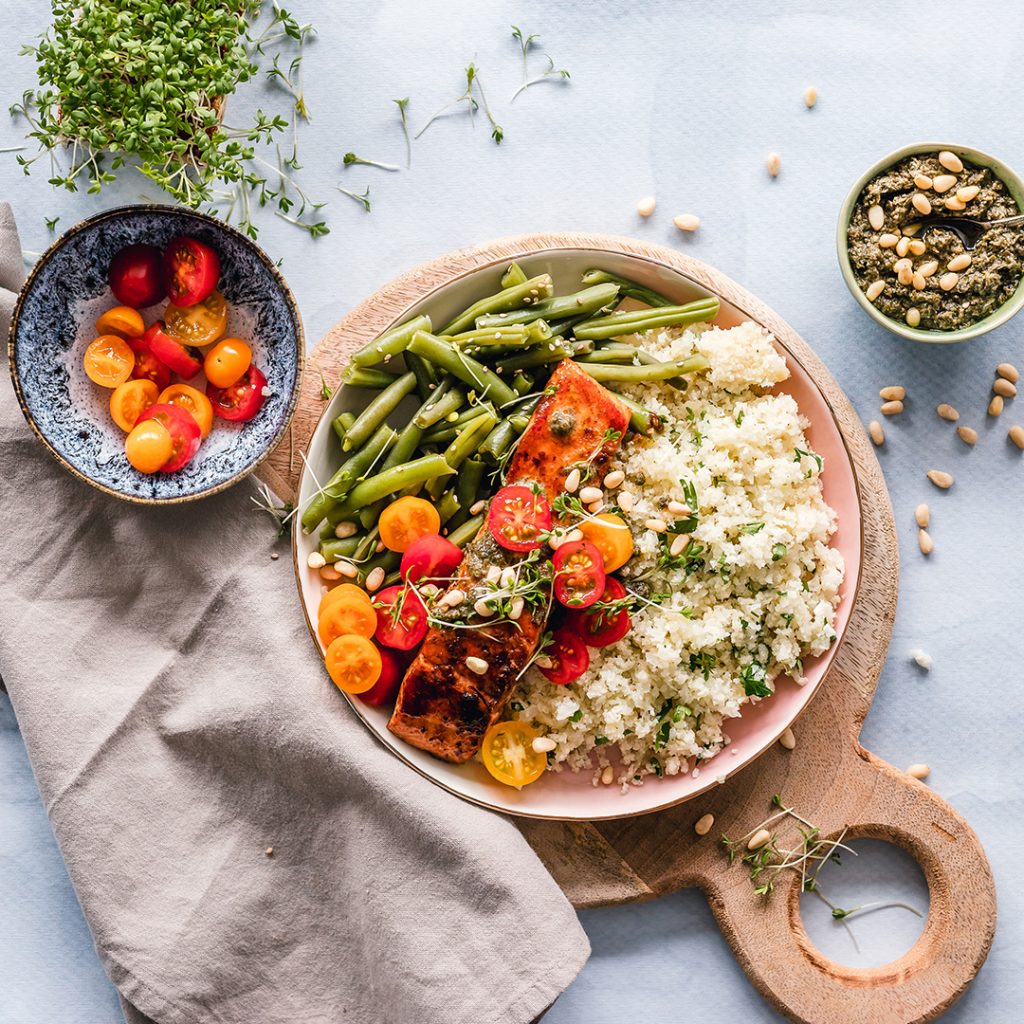
Evidence suggests that foods in the Mediterranean Diet contain high levels of antioxidants known to help soothe and prevent painful flare-ups. The Mediterranean Diet is an incredibly healthy, natural diet that favours plenty of fruits and vegetables, anti-inflammatory foods such as nuts, extra virgin olive oil, and sources of omega 3 fatty acids from fatty fish, whole grains, fish and legumes. Fatty fish like salmon can help lower inflammation because omega-3 fatty acids reduce pro-inflammatory cytokines. Where does the name come from? Populations in countries bordering the Mediterranean Sea appear to live longer and have lower cancer risk and lower risk of chronic diseases when compared to the North American population. The diet aims to replicate a healthy version of this region's go-to foods, and olive oil contains oleocanthal, which has effects similar to anti-inflammatory medications.
What can you eat on the Mediterranean diet for omega 3 fatty acids?
-
Fruits and vegetables
-
Olive oil
-
Whole grains, beans, nuts and legumes, including foods rich in fiber and plant omega-3 fatty acids such as chia seeds or flaxseeds
-
Fatty fish like salmon two to four times a week
-
Wine in moderation
2. The DASH Diet
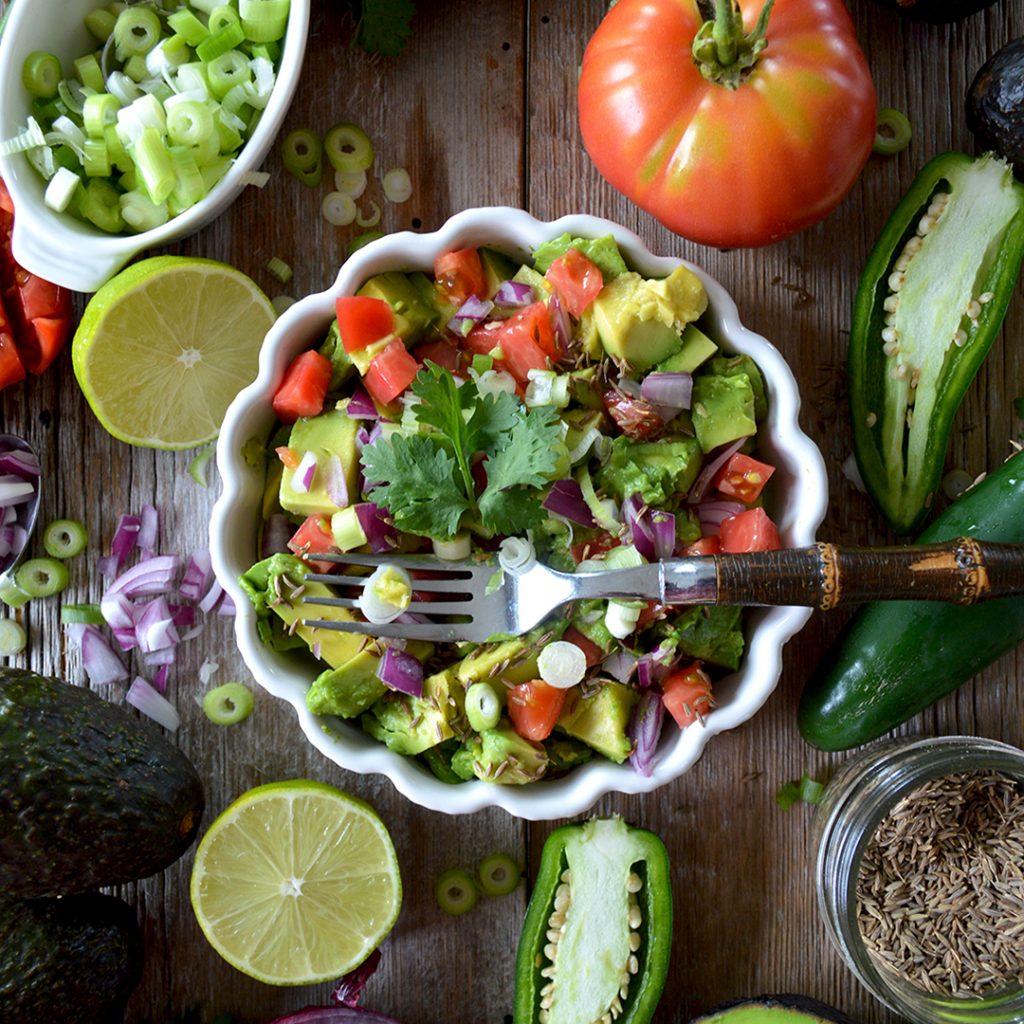
The DASH diet is primarily focussed on reducing high blood pressure and helping to regulate diabetes. This diet is promoted by the National Heart, Lung, and Blood Institute and is rich with foods that are high in blood pressure-deflating nutrients like potassium, calcium, protein and fibre, with an emphasis on fiber rich foods and whole grains like brown rice and quinoa, whose fiber nourishes the gut microbiome and may help combat inflammation. The DASH diet advises people to avoid foods that are high in saturated fat, such as fatty meats, full-fat dairy foods and tropical oils, and to limit refined carbohydrates as inflammatory foods, as well as sugar-sweetened beverages and sweets, which are associated with higher inflammation levels. The diet avoids processed foods and opts instead for fresh, homemade whole foods. This diet asks that you prepare the majority of your foods at-home and skip fast food options.
What can you eat on the DASH diet?
-
Fruits and vegetables
-
Whole grains
-
Lean protein
-
Low-fat dairy
3. The Flexitarian Diet
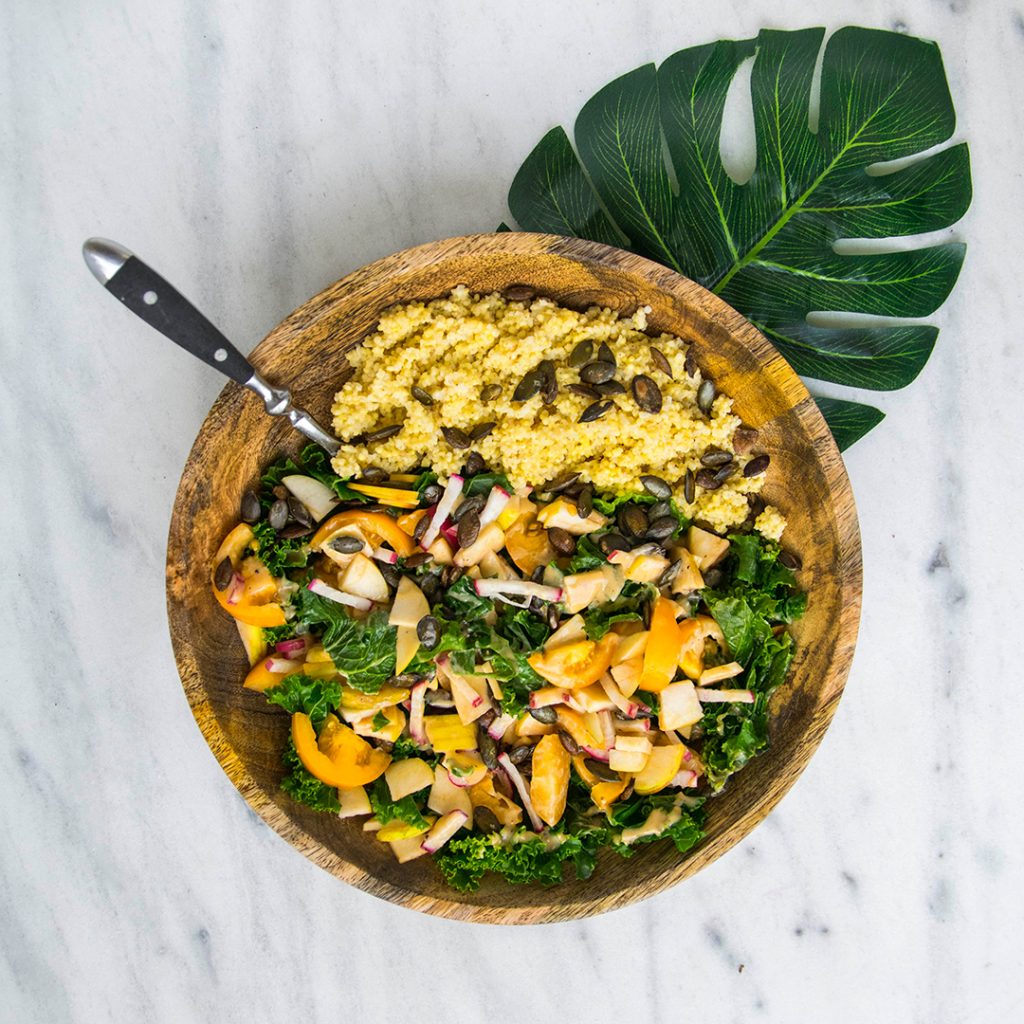
The Flexitarian Diet is a flexible vegetarian diet that promotes the plant-based vegetarian diet with the flexibility to indulge in your favourite types of meat when the cravings kick in. This plan aims to make a healthy vegetarian diet easier to follow. Eating more plants and less meat can improve overall health, lower rates of heart disease, diabetes, and cancer while extending your lifespan. This diet asks that you limit your meat intake and alcohol consumption by filling up on healthy foods rich in anti-inflammatory nutrients, such as beans, nuts, seeds, fruits, vegetables, garlic, and onions. Nuts and seeds provide healthy fats, magnesium, and fiber that help the body fight inflammation. It also helps to limit alcohol, since excessive intake can trigger inflammation.
What can you eat on the Flexitarian Diet?
-
Fruits and vegetables
-
Whole grains, beans, nuts and legumes
-
Eggs
-
Tofu
-
Dairy
4. The MIND Diet
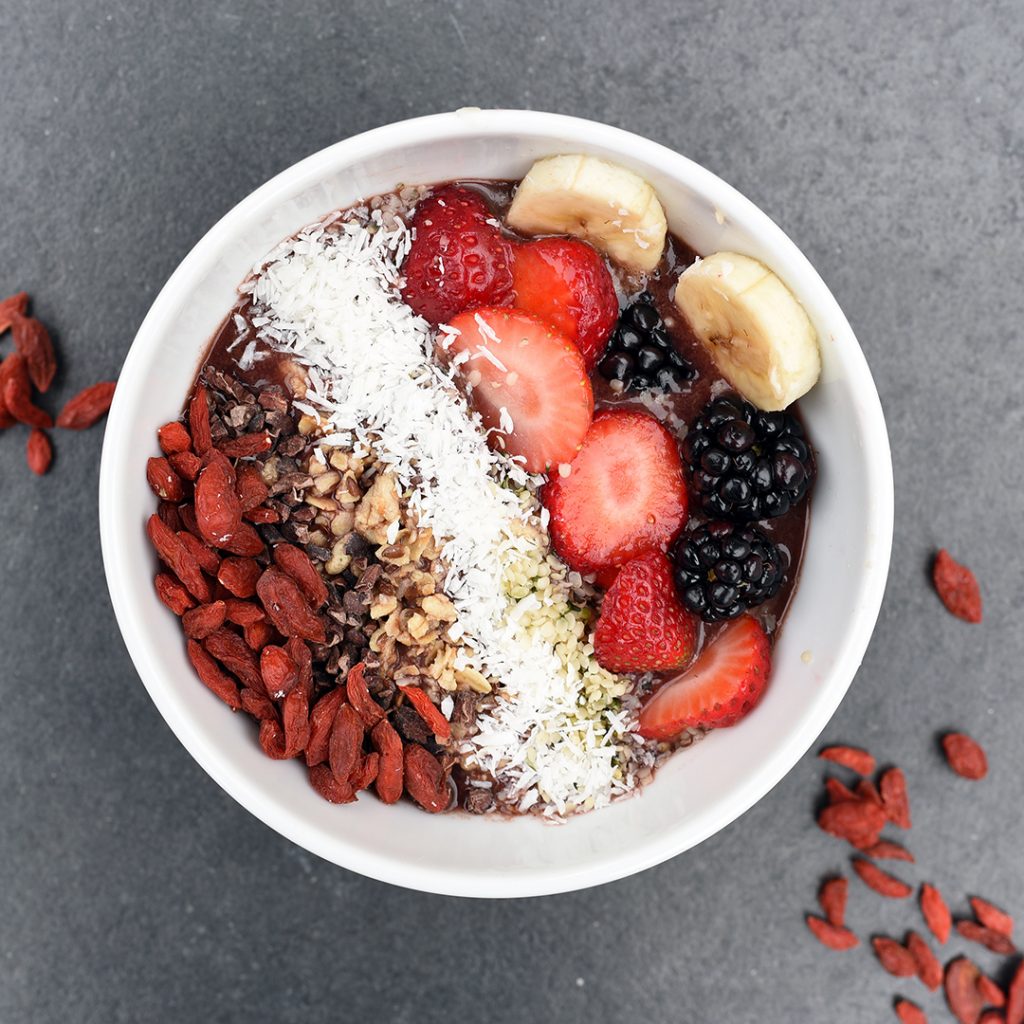
The MIND Diet revolves around brain health with a focus on using scientific research to inform a diet that will lower the risk of Alzheimer's. The study found the MIND diet lowered Alzheimer's risk by about 35% for people who followed it moderately well and up to 53% for those who adhered to it rigorously. This diet combines both the Mediterranean diet and the DASH diet to create a super-diet for optimal cognitive functioning. This is one of the best diets for pain relief due to its attention to one of the most important organs in the body; the brain. So what exactly should you be eating? This diet puts a heavy focus on the importance of leafy greens. Leafy greens are loaded with vitamin C,, other vitamins, and antioxidants that protect cells from inflammatory damage, and they provide anti-inflammatory compounds that support overall health. Berries contain anthocyanins that fight inflammation. Green tea is rich in polyphenols, and polyphenols in coffee and tea can help reduce inflammatory molecules. Rather than focusing on what not to eat, you can start by adding a few additional servings of green leafy vegetables per day.
What can you eat on the MIND diet?
-
Green leafy vegetables (LOTS of them)
-
All vegetables
-
Nuts
-
Berries, which are among the best anti inflammatory foods
-
Beans
-
Whole grains
-
Fish and poultry
-
Olive oil
-
Wine in moderation
-
Green tea or herbal tea
5. WW (Weight Watchers Diet)

You may be familiar with the Weight Watchers Diet and it turns out it's an effective one! The WW diet is unique in that it doesn't specify on what you eat, it simply asks you to track how much you're eating and can help you choose the right foods. This diet builds on its SmartPoints system, which assigns every food and beverage a point value, based on its nutrition. This diet is more often associated with weight loss but has made the shift to be more holistic. Weight loss is also beneficial for your joint health, circulation, and heart health long term, while weight gain is a risk factor for inflammation and excess weight can raise pain levels. This diet is multifaceted, relying on in-person meetings, workshops, online chats, and constant support to encourage accountability and long-term success.
What can you eat on the WW diet?
No foods are off-limits on the WW diet but you are required to meet your Smart Points target. The following foods cost zero points:
-
Fruits and vegetables
-
Eggs
-
Skinless chicken breast
-
Fish and seafood
-
Corn
-
Beans
-
Peas
Are Diets Effective for Long-Term Health?
There is a lot of evidence out there suggesting that diets don't work and should be avoided. Dieting by definition is a temporary food plan. Long-term anti-inflammatory eating tends to work better when it replaces pro-inflammatory foods instead of relying on restriction, including choices like processed meats, fried foods, and trans fats that can worsen inflammation. Many of these food plans are built on being restrictive and lead to a diet-binge cycle where the person attempting to adhere to the plan will cycle in and out of periods of deprivation and over-consumption. 95% of people who engage in dieting in this manner will typically regain weight in 1-5 years.
How Do You Make a Diet Sustainable Long-Term?
Do you want to try one of the best diets for pain relief? The key to making a diet sustainable is to stop treating it like a temporary plan and see it as a lifestyle change. Flexibility and ease are important in supporting a long-term diet change. If you know you will be unable to resist meat indefinitely, opt for a Flexitarian diet to keep your goals realistic. Here are a number of tips you can use to support your diet change:
-
Choose a flexible diet plan
-
Create an environment that supports your lifestyle change (ex. don't keep junk food in the house)
-
Make the changes slowly by gradually reducing processed foods and increasing healthy alternatives
-
Focus on which foods you will add to your new lifestyle (ex. anti inflammatory foods like dark leafy greens, berries, turmeric, ginger, and fermented foods) rather than obsessing over the foods you're required to cut out
-
Cook more foods at home and have fun with new recipes, since home cooking makes it easier to avoid partially hydrogenated oils and other trans fats found in processed foods
-
Prepare foods ahead of time so you don't default to unhealthy convenient options like sweetened cereals, and check food labels to spot hidden ingredients; turmeric contains curcumin, which has powerful anti-inflammatory properties, ginger can also have anti-inflammatory effects, fermented foods support beneficial intestinal bacteria and inflammation reduction, and trans fats found in fried foods can worsen inflammation.
Disclaimer: DR-HO'S content is intended for informational purposes only and should not be taken as medical advice. Please consult a certified medical professional for diagnosis and treatment recommendations.
More Digestion & Nutrition Content
Sources
Psychology Today. Why Diets Don't Work…And What Does. Retrieved from https://www.psychologytoday.com/ca/blog/changepower/201010/why-diets-dont-workand-what-does U.S. News. Best Diets Overall. Retrieved from https://health.usnews.com/best-diet/best-diets-overall