


 Achy Muscles
 Arthritis, Bursitis & Tendonitis
 Back Pain
 Fibromyalgia
 Foot & Lower Leg Pain
 Joint Pain
 Knee Pain
 Neck Pain

What is Muscle Oxygenation and Oxygen Levels?
Oxygen is an important fuel source for our bodies. Body tissues such as organs and muscles rely on a stable supply of oxygen in order to work properly, and without enough oxygen the body's tissues cannot function properly. This is because oxygen contributes to the health of our tissue cells, allowing them to perform their basic functions such as repairing damaged muscles and cell reproduction. Muscle oxygenation is a term that refers to the amount of oxygen your muscles are receiving. The more oxygen your muscles get, the better. Muscles also need oxygen to make energy in the form of adenosine triphosphate (ATP) for contraction and relaxation.
Good circulation is responsible for carrying oxygen throughout the body. If it wasn’t for blood circulation, oxygen could not access the tissues and cells that need it to function. This process starts in the lungs, where the oxygen we breathe latches onto hemoglobin in red blood cells, which helps carry oxygen through blood vessels. The oxygen-enriched blood then travels throughout the body through the circulatory system, working to repair body tissue. This is why proper tissue oxygenation depends so heavily on good blood circulation. Some health issues, including underlying conditions such as anemia or lung disease, can reduce oxygen delivery to muscles and joints and lead to fatigue, aches, cramps, or stiffness.

How Does Muscle Oxygenation Affect Muscle Pain?
Muscle pain caused by low levels of muscle oxygenation is one of the common symptoms of poor circulation, and low oxygen levels can make that pain worse. This is because poor blood flow prevents the muscles from accessing what they need to recover. When muscles do not get enough oxygen, ischemia can develop, and muscle cells may switch to anaerobic metabolism with lactic acid buildup. Oxygen and other nutrients repair damaged tissues and cells. When oxygen levels drop, energy production is disrupted, which can increase fatigue and cramping, and hypoxia can activate pain receptors such as acid-sensing ion channels and purinergic receptors in muscle tissue. Improving muscle oxygenation levels through better circulation can help you function and be an important factor in maintaining a healthy life, but finding the root cause or underlying cause matters because low oxygen levels left untreated may lead to tissue damage.
4 Ways To Help Improve Muscle Oxygenation
1. Exercise
There are a number of simple, effective exercises you can do at home to increase circulation and help with muscle oxygenation. Exercise gets your heart pumping faster, with heart rate rising during activity to help move more oxygen-rich blood through your circulatory system at a higher rate. Regular movement can also support healthy oxygen levels and may be especially helpful when deconditioning contributes to fatigue. Exercise is also a great way to strengthen painful muscles and joints that may be suffering from poor circulation and a lack of oxygen. No matter what type of exercise you choose, keeping your muscles active can have lasting positive effects on your whole body. At high altitudes, there is less oxygen in each breath than at sea level, so activity may feel harder.

2. EMS Therapy for Red Blood Cells
EMS therapy uses gentle electrical stimulation to stimulate the muscles to contract and relax. This stimulation promotes temporary local blood circulation that helps move oxygen and other nutrients through the bloodstream. This contracting and expanding action also helps to stimulate circulation so that the muscle has better access to the oxygen it needs to stay healthy.
3. Use a Blood Flow Circulation Promoting Machine
A circulation promoting machine can help temporarily increase local circulation by stimulating the muscles in the lower limb to contract and release. This action allows the muscles to better pump healthy fluid and nutrients, temporarily increasing local circulation and muscle oxygenation.
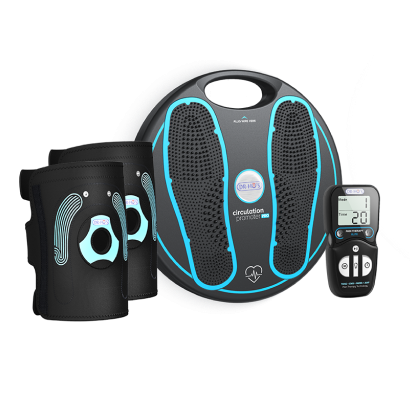
Check out the DR-HO’S Circulation Promoter and Circulation Promoter PRO which use EMS, ENS, TENS and AMP technology to help relieve pain and increase circulation.
4. Massage Therapy
We should avoid thinking about massage therapy only as a relaxing luxury to enjoy every so often. It’s one of the easiest methods for massaging tight muscles and temporarily increasing local circulation. A registered massage therapist can target painful muscles and stimulate them in a way that encourages blood flow to the area. Better blood flow means that your muscles are getting the oxygen and the other nutrients they need to stay healthy. If you have common symptoms such as trouble breathing, shortness of breath, confusion, a rapid heart rate, or cyanosis around the lips or fingertips, or notice shortness on exertion, seek medical attention from a healthcare provider, especially if pulse oximetry shows 92% or below, because low oxygen levels can become life threatening and damage vital organs like the heart and brain, particularly with underlying conditions such as heart failure or sleep apnea or when breathing is affected by certain medications.
Disclaimer: DR-HO'S content is intended for informational purposes only and should not be taken as medical advice. Please consult a certified medical professional for diagnosis and treatment recommendations.