



 Achy Muscles
 Arthritis, Bursitis & Tendonitis
 Back Pain
 Fibromyalgia
 Foot & Lower Leg Pain
 Joint Pain
 Knee Pain
 Neck Pain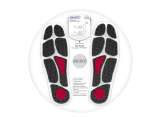

If you're looking for ways to stay active in the winter, this list covers seven practical options: bundling up for outdoor walks, walking indoors, setting up a simple home gym, moving more throughout the day, eating to support pain management, scheduling healthy habits, and using a TENS device for relief when pain makes exercise harder. For adults who struggle to stay physically active during winter weather, especially anyone dealing with daily pain or stiffness, the goal is to keep regular physical activity realistic, safe, and sustainable through the cold winter months.
Not only can the colder, darker months dampen our moods and motivation, but seasonal changes actually physically affect those with pain! Colder weather can create stiffness in the joints and muscles, increase pain from work, exercise, or daily living, and make this a challenging time to protect your physical health, energy, and routine. Staying active matters here not just for burning calories or maintaining fitness goals for warmer weather, but for easing the winter blues, supporting circulation, and helping your body keep moving when cold conditions make that harder.
But despite how unappealing and difficult exercise might seem at this time, it's the very thing you need to help keep pain at bay. Below, you'll find straightforward strategies for winter movement, pain relief, nutrition, and habit-building so you can build strength, stay consistent week to week, and keep a regular exercise routine even when the outdoors feel less inviting.
1. Bundle Up
If you're someone that enjoys going for walks during the summer months, don't let winter stop you! Just wear lots of layers to insulate your body properly. When the weather cooperates, try to walk during the daylight hours. Not only is the sunshine on the snow beautiful, but the sun can make you feel warmer, improve your mood and help you get some much needed vitamin D.

2. Walk Indoors
If you can't take the cold even with layers, go for a walk at an indoor location such as a mall, a community centre such as YMCA or on a treadmill at an indoor gym. These kinds of indoor activities can also be easier to stick with when you go with friends or family. Even something as simple as walking around the mall with a friend is an effective way to stay physically active and get your daily steps in while avoiding the cold weather.
3. Make a Home Gym
If you don't want to leave the house, then bring the gym home with you. By creating your own home gym, you can avoid the cold weather while still staying active with useful indoor activities like walking indoors, stretching, and building muscle. There are many exercises you can do without any equipment. These can include lunges, crunches, pilates, yoga, and dance to help build strength and burn calories while supporting your fitness goals. If you want a simple upgrade, resistance bands are an easy way to add variety. Community spaces such as the YMCA can also add variety and help you stay physically active through the week. You can also walk at the mall or use a treadmill with family or friends for extra motivation and accountability. Shorter, more frequent indoor walks or movement breaks can be easier to fit in during the day, especially if you sit for long periods.

4. Get Motion In Wherever Possible
Take advantage of any opportunity for small wins throughout your day! For example:
-
Climb stairs instead of taking the escalator.
-
Park just a little but further from the entrance then you usually do.
-
Try cable-free indoor activities like yoga or Pilates using online resources, and add resistance bands if you want a simple way to build strength and support your fitness goals.
-
Move your joints through passive motion exercise when you're sitting in front of the TV.
Online workout classes can help maintain fitness indoors when winter weather makes it harder to get out. Mixing home workouts with outdoor options when possible can also help prevent burnout during winter.
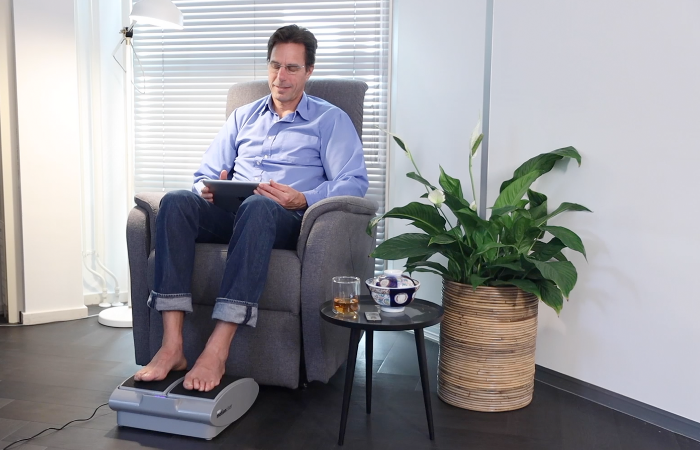
The DR-HO'S MotionCiser is a device that uses passive motion to help loosen tight muscles and joints in the lower legs, keeping your feet relaxed and engaged. Plus, it has a heating feature with 5 different temperatures – perfect for warming you up and soothing your body after a day out in the cold!
5. Maintain a Healthy Diet
Maintaining a constant level of physical activity during the winter can be very difficult. Just do your best wherever you can! But, if you're unable to keep up with consistent exercise, it's all the more important to ensure you are consuming a nutrient rich diet. Specifically, an anti-inflammatory, low-sugar, low-carb diet that's rich in healthy fats is the best solution for those looking to manage pain.

6. Schedule Healthy Habits
Goals that are specific and obvious are easier to attain. And, the best way to accomplish this is to define the behaviour, time, and location.
For instance:
- Right after you wake up, stretch at home. This will help with posture and increase mobility.
- Sign up for scheduled workout or yoga classes at your local community centre (group accountability is great!) or plan your own at-home workouts and put them in your calendar. If you're following a YouTube class or working off of any online program, include the link in the event so everything is planned out beforehand.
- Plan out your meals ahead of time. You are much more likely to eat healthy if you have healthy meals prepared.
- Drink water from a bottle that has measurements. It can help map out your daily intake and keep you on track.
By planning out your diet and exercise ahead of time, staying active and pain-free will just become a part of your daily routine.

7. Use a TENS Device
When the weather gets colder, it can cause slow blood circulation to the hands and feet as the body attempts to preserve its core temperature.
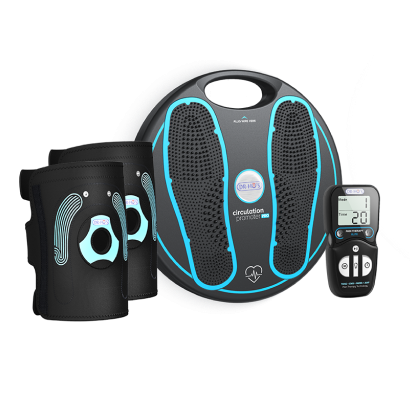
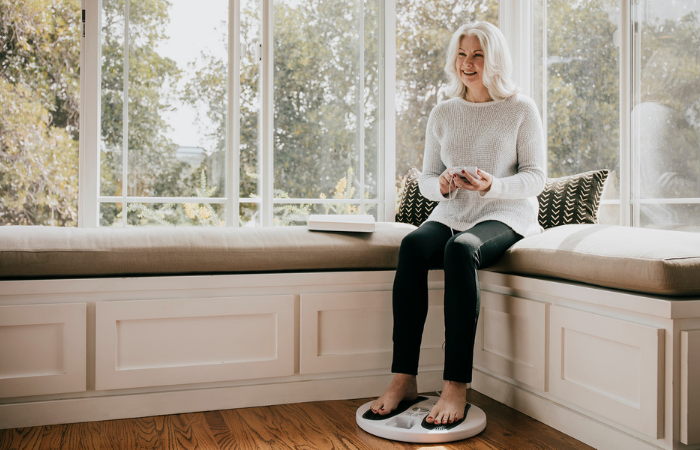
The DR-HO'S Circulation Promoter combines 4 pain relief technologies into 1 powerful device through its patented AMP Technology. Designed by Dr. Michael Ho, the Circulation Promoter is designed to deliver a combination of muscle massage relaxation and pain therapy, providing deep, soothing relief. The AMP technology combines:
-
Transcutaneous Electrical Nerve Stimulation (TENS) – conducts safe, gentle electrical currents that reduce pain signals from reaching the brain.
-
Electrical Muscle Stimulation (EMS) – works to contract and release muscles, soothing sore muscles, and improving muscle performance.
-
NeuroMuscular Electrical Stimulation (NMES) – works to cause the pulsation of nerves and pumping of muscles to increase circulation.
-
Auto-Modulating Pulse – delivers over 300 types of constantly-changing stimulations reducing the chances of your body getting used to the therapy.
And the best part is that you can do this all from the comfort and warmth of your home, no appointments necessary. You can also check out the new Circulation Promoter Pro which also comes with circulation sleeves for the knees and calves providing pain relief, relaxing sore muscles and loosening stiff joints.
Do Your Best to Stay Active This Winter to Reduce Pain!
We understand that maintaining an active lifestyle is challenging even at the best of times. But, throw in the colder, darker weather and no wonder it feels like an increased burden. It's important to remember that no matter how much we don't feel like moving or eating healthy, it's usually the very thing our body needs when it comes to managing pain.
Just focus on what you can do today. No matter how small the step, it's still forward progress. So bundle up and get outside, book that fitness class, or try a TENS machine to help stay active.
At DR-HO'S, we offer a 100-day satisfaction guarantee on all products sold on our website. So buy it, try it, and see if it's the right product for you.
Disclaimer: DR-HO'S content is intended for informational purposes only and should not be taken as medical advice. Please consult a certified medical professional for diagnosis and treatment recommendations.