


 Achy Muscles
 Arthritis, Bursitis & Tendonitis
 Back Pain
 Fibromyalgia
 Foot & Lower Leg Pain
 Joint Pain
 Knee Pain
 Neck Pain
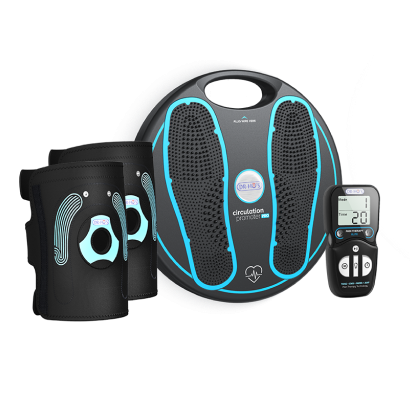

A TENS device is a safe and effective means of temporarily relieving pain using gentle electrical impulses. TENS machines use low voltage electrical current to deliver gentle electrical impulses through adhesive pads placed on the skin. In fact, The American College of Physicians and American Academy of Family Physicians now suggest clinicians treat patients with acute pain from non-low back, musculoskeletal injuries with a TENS device. The great part is, you can now get temporary pain relief in the comfort of your own home. Many people are eager to know if these devices can help their conditions, asking: what conditions are TENS machines used for? The truth is, TENS machines can temporarily relieve pain related to a number of common conditions.
What Is a TENS Machine?
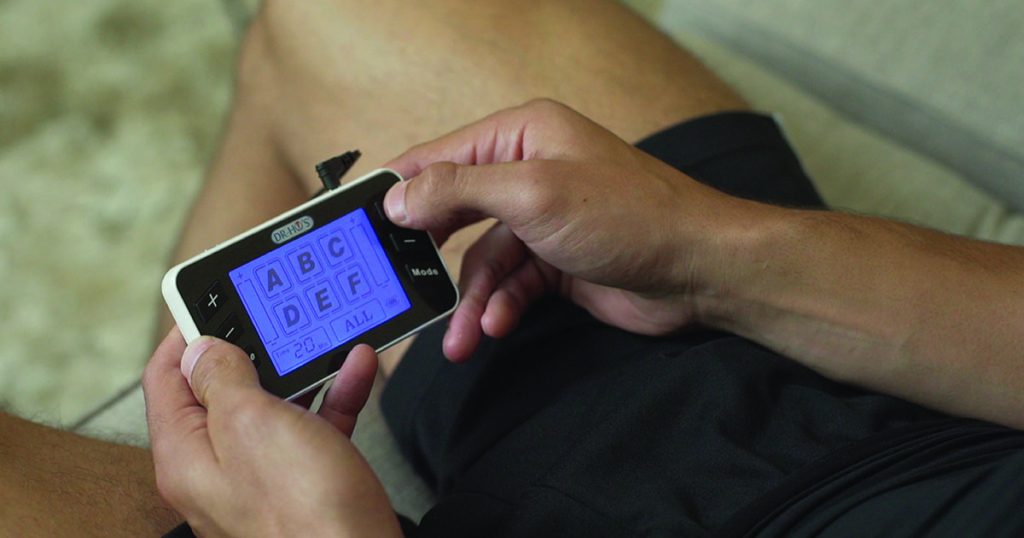
The term “TENS” is an acronym for “Transcutaneous electrical nerve stimulation.” A TENS machine is a device that uses small electrical currents delivered via adhesive pads (available in hypoallergenic options for sensitive skin) to stimulate the healthy nerves and muscles in the body. By stimulating the nerves and muscles, it causes the muscle to contract and relax to temporarily increase local blood circulation and provide symptomatic relief of chronic, intractable pain and pain associated with arthritis. TENS units are small, battery-powered, portable, and can be carried in a pocket or clipped onto a belt. TENS units have controls that allow users to adjust the intensity, frequency, and duration of the electrical stimulation, and stimulation intensity is an important factor in treatment efficacy. Both high-frequency (HF TENS, 80-120 Hz) and low-frequency (LF TENS, 1-20 Hz) settings are available, with HF TENS often used for acute pain and LF TENS for chronic pain. Both HF and LF TENS have effects at the site of stimulation and can reduce hyperalgesia, and HF TENS may be more effective for people taking opioids. TENS can restore central pain modulation, which is a measure of central inhibition. TENS may be more effective if electrodes are placed on acupuncture points. The optimal timing for using TENS is for at least 30 minutes, especially while the patient is active.
What Conditions are TENS Machines Used For?
TENS is effective for a wide range of pain conditions, including period pain, arthritis, fibromyalgia, and post-surgical pain, and is considered a low-risk pain relief therapy for many people. TENS can help reduce muscle spasms, promote local blood circulation, and enhance healing. TENS works by blocking pain signals and helping the body release natural painkillers called endorphins. The electrical impulses from TENS reduce the nervous system's ability to transmit pain signals to the spinal cord and brain. TENS can stimulate the body to produce natural painkillers, such as endorphins. The duration of pain relief after using a TENS unit can vary, with some people experiencing relief for up to 24 hours after use, but pain may return after the device is turned off. People who use a TENS unit frequently may develop a tolerance to its effects, and using the same frequency and intensity for each treatment session may increase the risk of tolerance. Users can gradually increase the intensity or vary the frequency to help prevent tolerance. Several factors, such as device settings and individual differences, can influence the effectiveness of TENS. TENS does not address the underlying causes of pain and is primarily effective while the device is in use. TENS may provide temporary pain relief but does not treat or resolve the underlying issues causing pain. TENS is considered a noninvasive, low-risk pain control option, but it may not be effective for everyone. Research has not conclusively proven that TENS works, and systematic reviews and clinical trials have found insufficient evidence for its efficacy in some conditions, though some people report positive effects. The evidence for TENS efficacy is conflicting and requires further research. TENS may provide analgesia specifically when applied at a strong, nonpainful intensity. TENS units can be purchased at some pharmacies and online, and can also be rented for personal use.
Common conditions that may benefit from the use of TENS devices are:
- Back pain (lower and upper)
- Neck pain and shoulder pain
- Pain from arthritis
- Hip pain
- Sore and aching muscles
- Temporary increase of local circulation
- General sore and achy muscles
- Knee and elbow pain

Who Shouldn’t Use TENS Devices?
The following patients should either avoid using a TENS device or consult with a physician to see if the product is suitable for them:
-
Patients who lack the capacity to independently manage or control device operation.
-
People with a pacemaker, defibrillator or any other electronic implant.
-
Those with allergies to the gel, tape or electrodes.
-
Pregnant women and individuals with epilepsy.
TENS machines should not be placed on the front of the neck or over the eyes due to potential risks. Users should avoid using TENS on sensitive areas, over damaged skin, or near the heart/chest. It is important to limit TENS sessions to less than an hour and to stay awake while using the device. If a user experiences nerve pain or discomfort while using TENS, they should stop using the device immediately. It is recommended to consult a healthcare professional before using a TENS machine for the first time. TENS machines are generally considered safe for most people when used correctly. Some people may experience skin irritation from the adhesive pads, and hypoallergenic pads are available for those with allergies. TENS units have controls that allow users to adjust the intensity, frequency, and duration of the electrical current. TENS is portable, runs on batteries, and does not involve medicines or needles. TENS may not be effective for everyone, and some people may develop a tolerance to its effects with repeated use. People who use a TENS unit frequently may develop a tolerance to its effects, reducing its effectiveness over time.
To use a TENS device safely and effectively, it’s important to follow the manufacturer’s instructions and consult with a healthcare professional, especially if you have underlying health conditions. Proper use of a TENS unit can help you experience the positive effects of electrical stimulation while minimizing the risk of skin irritation or other side effects. Whether you’re seeking short term relief or support for long term pain management, TENS therapy offers a convenient, over the counter option for those looking to relieve pain without medication.
Disclaimer: This content is for informational purposes, and should not be treated as medical advice. While our advanced TENS machine can benefit various pain conditions through its sophisticated combination of TENS, EMS, and NMES guided by our proprietary AMP Technology, proper diagnosis ensures optimal pad placement and treatment protocols. Always consult a healthcare professional for an accurate diagnosis before beginning any treatment program.
