



 Achy Muscles
 Arthritis, Bursitis & Tendonitis
 Back Pain
 Fibromyalgia
 Foot & Lower Leg Pain
 Joint Pain
 Knee Pain
 Neck Pain
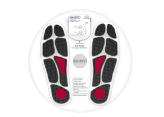
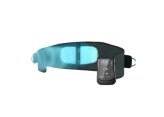
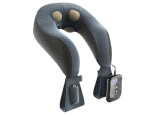
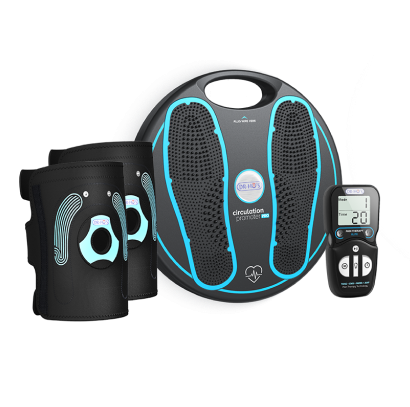

DR- HO'S TENS Unit Pad Placement Guide for Shoulder and Neck Pain
DR-HO'S TENS products combine TENS & EMS into temporary pain therapy devices. They can be used in many areas around the body including the neck, shoulders, arms, back, hip, legs, knees and feet. This is due to the multi-use gel body pads that come with the device.
In this guide, we will show how to use a TENS therapy device for Shoulder and Neck Pain, a common condition that is caused by damage, injury or lingering issues to the muscles, tendons and ligaments; as well as other lifestyle factors including poor posture during the day, prolonged screentime without changing positions, sleeping position, stiff pillow, etc. A tens unit may help reduce neck pain, and some people also find it helps headaches or migraines when symptoms stem from the neck. It can also be used alongside physiotherapy for pain management.
DR-HO'S TENS therapy devices can be used:
-
For temporary relief of pain associated with sore and aching muscles including shoulder and neck pain due to poor posture, exercise or normal household work activities.
-
For symptomatic relief and management of chronic, intractable pain and relief of pain associated with arthritis.
-
To stimulate healthy muscles in order to improve and facilitate muscle performance.
-
To temporarily increase local blood circulation in healthy muscles.
It is important to know how to properly place these pads for effective, temporary relief from shoulder and neck discomfort.
The DR-HO'S pad placement charts series is a helpful way to understand how to properly use your TENS device. Find the pad placement that works for you to help you get the most out of every TENS therapy session. A typical session lasts 15 to 30 minutes.
First Off, How do DR-HO'S Devices Work?
TENS Therapy: TENS (Transcutaneous Electrical Nerve Stimulation) gently uses a tens machine to deliver electrical stimulation through the electrodes, sending electrical impulses that help reduce pain signals traveling through the spinal cord to the brain and provide temporary relief of pain. Additionally, TENS therapy is thought to aid in the production of endorphins — natural painkillers that may also provide temporary pain relief — but it does not treat the underlying cause of wrist pain.
EMS Therapy: EMS (Electrical Muscle Stimulation) gently stimulates the muscles, causing them to contract and relax in order to increase local circulation and soothe soreness. Stimulating healthy muscles also helps improve and facilitate muscle performance.
NMES Technology: (Neuromuscular Electrical Stimulation) Therapeutic technology that targets specific nerve pathways to help re-educate muscles and restore proper nerve-muscle communication, particularly valuable in rehabilitation settings.
AMP Technology: AMP (Auto Modulated Pulse) technology is a proprietary technology that provides over 300 different stimulations that vary in wavelength, frequency and rest periods. These stimulations are programmed to automatically change, so you get a soothing variety of pulses.
Get to Know the Types of DR-HO'S TENS Replacement Pads
You will receive different types of pads when you order your DR-HO'S TENS therapy device.
Regular Gel Body Pads: These long-lasting, highly-conductive small pads are sized to target smaller, more sensitive muscles such as your neck, arms and hands.
Large Gel Body Pads: These larger pads are also long-lasting and highly conductive. They are designed to be larger for large muscles such as your back, hip and legs.
Both types of gel pads, if cared for properly can be used between 70-100 times before they should be replaced. You can order Large Pad Replacement Kits and Small Pad Replacement Kits at any time. You can also browse DR-HO'S accessories for other helpful products. Important Notes for Any Pad Placement Here are some important tips to consider no matter where you are placing your pads:
1. Always place pads on clean, dry, healthy skin, not on broken or irritated skin
2. Place pads on the neck and shoulder area in soft-tissue areas near the painful area, such as the upper trapezius or upper back, at least 1 inch apart
3. Make sure there is a linear path between the two pads
4. Do not let the pads touch
5. Wet the pads with a little bit of water before placing them on the painful area
6. Do not place pads directly over spinal bones, and do not use TENS on the head
7. Do not use it while sleeping or driving
8. If you have a pacemaker, or if you are pregnant, consult a doctor before use at any application site
TENS Pad Placement Instructions For Neck & Shoulder Pain
Watch these videos to learn more!
Disclaimer: This content is for informational purposes, and should not be treated as medical advice. While our advanced TENS machine can benefit various pain conditions through its sophisticated combination of TENS, EMS, and NMES guided by our proprietary AMP Technology, proper diagnosis ensures optimal pad placement and treatment protocols. Always consult a healthcare professional for an accurate diagnosis before beginning any treatment program.