


 Achy Muscles
 Arthritis, Bursitis & Tendonitis
 Back Pain
 Fibromyalgia
 Foot & Lower Leg Pain
 Joint Pain
 Knee Pain
 Neck Pain

Neck pain from sitting at a desk is a common complaint among office workers and anyone who spends significant time at a computer. Sitting for prolonged periods can lead to stiffness, fatigue, and increased sensitivity in the neck. This discomfort is often caused by poor posture, repetitive strain, and lack of movement, which can place excessive stress on the neck and upper back muscles. Tech neck develops from repetitive strain on the neck and upper back due to prolonged screen use. Prolonged screen use can also lead to muscle strain and structural changes in the neck and upper back, including increased compressive loads on the cervical discs. If left unaddressed, tech neck can lead to chronic pain, headaches, and muscle strain. Early intervention and adopting healthy habits are essential to relieve neck pain and prevent long-term issues.
Introduction to Neck and Back Pain
Neck and back pain have become increasingly common among people who spend long hours working on digital devices or sitting at a desk. The constant use of computers and smartphones can put significant strain on the neck muscles and cervical spine, often leading to tech neck symptoms such as headaches, a stiff neck, and discomfort between the shoulder blades. Poor posture, especially a forward head position, can worsen these issues, causing muscle fatigue and increasing the risk of chronic pain. Over time, these habits can affect not only the neck but also the entire spine and surrounding muscles, impacting overall posture and well-being. Addressing neck and back pain early is essential to prevent long-term problems and maintain a healthy, pain-free lifestyle.
Temporarily relieve tech neck while working from home
Working from home has become the new normal for so many, and while there are certain benefits, there are also plenty of adjustments that have come with it. This is especially true for those dealing with neck and back pain, as makeshift home office setups can be less than ideal, leading to exacerbated discomfort and “tech neck.”
To help relieve neck pain from sitting at a desk, it's important to adopt self-care measures such as frequently changing your seated and standing positions and maintaining a neutral posture. Changing positions throughout the day can help reduce the risk of developing neck strain. These habits, along with conscious efforts to improve posture, can make a significant difference in preventing and managing discomfort.
If you’re looking for more targeted strategies, check out our guide on Five Ways to Address Tech Neck, where we break down simple, effective techniques you can start using right away.
Whether you need temporary relief from neck pain or you’re searching for a device that can provide soothing, massage-like stimulation at home, DR-HO’S has products designed to help. Read on to learn more!
The Importance of Better Posture
Practicing better posture is one of the most effective ways to prevent tech neck and reduce back and neck pain. Good sitting posture means keeping your feet flat on the floor, sitting tall, and avoiding slouching or leaning forward. These small adjustments help reduce strain on the neck and back muscles, encourage healthy blood flow, and keep your joints from stiffening. Incorporating habits like frequent breaks and shoulder blade squeezes throughout the day can significantly decrease your risk of developing tech neck symptoms. If you’re unsure where to start, a physical therapist can offer personalized advice on improving your posture and relieving tension in your neck and shoulder muscles, helping you stay comfortable and pain free.
Taking Frequent Breaks
Taking frequent breaks is a simple yet powerful way to reduce the risk of tech neck and prevent muscle strain. Instead of staying in one position for long periods, try to stand up, stretch, or take a short walk every 30 to 60 minutes. These standing breaks help boost blood flow, reduce muscle fatigue, and support better posture, making a big difference in how your neck and back feel throughout the day. Regular movement also helps prevent stiffness in your muscles and joints, keeping you more comfortable and energized. By making frequent breaks a part of your daily routine, you can help prevent tech neck symptoms and support your overall well-being.
Maintaining a Healthy Workspace
Creating a healthy workspace is key to preventing tech neck and minimizing back and neck pain. Start by setting your computer monitor at eye level to avoid straining your neck, and choose a comfortable chair that supports your back. Position your keyboard and mouse so they’re easy to reach, reducing unnecessary tension in your shoulder muscles. Incorporate exercises like chin tucks and shoulder blade squeezes to keep your surrounding muscles strong and flexible. Even small adjustments to your workspace and daily habits can significantly reduce your risk of developing tech neck symptoms, helping you stay comfortable and focused while working from home.
DR-HO'S Neck Pain Pro
In dealing with less than ideal work setups and undue strain on certain areas of the body, neck tension and tired muscles are common issues for those working at a desk, making it important to find methods of relief. This is especially true for those who deal with pain on a day-to-day basis. For pain sufferers, finding a temporary, at-home pain relief solution can make a difference.

Enter DR-HO'S Neck Pain Pro
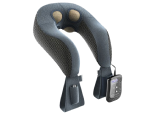
The DR-HO'S Neck Pain Pro is powered by DR-HO'S Pain Therapy TENS Device and is specifically designed for use on the neck and shoulders. It can be used:
1. For temporary relief of pain associated with sore and aching muscles, including neck pain, shoulder pain, back pain, arm pain, leg pain, and foot pain due to exercise or normal household work activities.
2. For symptomatic relief and management of chronic, intractable pain and relief of pain associated with arthritis.
3. To stimulate healthy muscles in order to improve and facilitate muscle performance.
4. To temporarily increase local blood circulation in healthy muscles.
How does DR-HO’S Neck Pain Pro work?
DR-HO'S Neck Pain Pro uses TENS Therapy, EMS Therapy, NMES Therapy & DR-HO'S proprietary AMP Technology to provide temporary pain relief of sore and achy neck and shoulder muscles. Plus, it provides symptomatic relief and management of chronic pain and arthritic pain, right in the comfort of your home.
Here is a breakdown of those technologies:
TENS Therapy: TENS (Transcutaneous Electrical Nerve Stimulation) gently stimulates the nerves to help reduce pain signals sent to the brain and provide temporary relief of pain. Additionally, TENS therapy is thought to aid in the release of endorphins — a naturally-occurring chemical that may also provide temporary pain relief.
EMS Therapy: EMS (Electrical Muscle Stimulation) gently stimulates the muscles, causing them to contract and relax in order to temporarily increase local circulation and relieve sore and achy muscles. Stimulating healthy muscles also helps improve and facilitate muscle performance.
NMES Therapy: NMES (Neuromuscular Electrical Stimulation) technology reaches deeper muscle layers, encouraging more substantial muscle engagement. This helps support the treated area while promoting improved circulation.
AMP Technology: AMP (Auto Modulated Pulse) continuously varies the electrical impulses, ensuring your body doesn't become accustomed to a single pattern. This helps ensure sustained effectiveness throughout your treatment and prevents the diminishing returns often experienced with conventional devices.
Key Features of the Neck Pain Pro
Smart electrodes deliver targeted stimulation
The four smart electrodes built into the Neck Pain Pro are engineered to pass gentle TENS, EMS and AMP stimulations from the Pain Therapy device. This provides targeted stimulation to the nerves and muscles in the neck and shoulders. By doing so, this device temporarily relieves pain associated with sore and aching neck and shoulder muscles. It also helps temporarily increase local blood circulation.
It feels like a soothing massage!
DR-HO'S Neck Pain Pro is designed to feel like a soothing, hands-on massage. It feels like kneading, chopping, and rubbing. Imagine, at the end of a long, stressful day of work, turning on your favorite show and enjoying a relaxing massage. Discover the joy of being able to temporarily relieve your pain and relax….right at home.
Select from 3 different therapy modes that feel like 3 different massage techniques. Mode A feels like a deep, kneading massage. Mode B is like a gentle chopping and shaking. And Mode C is like a gentle, soothing rubbing. Choose whichever one you like best!
It's adaptable for use on other body parts
DR-HO'S Pain Therapy device can be detached from the Neck Pain Pro and connected to body pads to use elsewhere on the body. If you have back pain, just place the large body pads on either side of your back and feel the soothing massage and the temporary pain relief for your sore and achy back muscles.

Seeking Professional Help
If you find that neck and back pain persist or worsen despite your best efforts, it’s important to seek professional help. A physical therapist can assess your posture, identify sources of muscle strain, and provide tailored exercises to strengthen your core muscles and relieve tension in your neck and shoulder. They may also recommend manual therapy or a structured exercise program to address chronic pain and prevent future issues. By working with a professional, you can get the support you need to manage tech neck symptoms, improve your posture, and enjoy a healthier, pain-free work-from-home experience.
Disclaimer: This content is for informational purposes, and should not be treated as medical advice. While our advanced TENS machine can benefit various pain conditions through its sophisticated combination of TENS, EMS, and NMES guided by our proprietary AMP Technology, proper diagnosis ensures optimal pad placement and treatment protocols. Always consult a healthcare professional for an accurate diagnosis before beginning any treatment program.