


 Achy Muscles
 Arthritis, Bursitis & Tendonitis
 Back Pain
 Fibromyalgia
 Foot & Lower Leg Pain
 Joint Pain
 Knee Pain
 Neck Pain


September 25, 2026
The short answer is no: TENS devices are not all the same. Moreover, the differences matter far more than most people realize. While basic TENS units and advanced devices like those from DR-HO'S might appear similar at first glance, what's happening beneath the surface varies dramatically.
Differences between TENS devices may lie in:
-
The sophistication of the electrical stimulation technology
-
The quality of components
-
The comprehensiveness of the therapeutic approach
But when you're shopping for a TENS unit, the marketplace can feel overwhelming. From budget devices selling for under $30 to professional-grade systems costing hundreds of dollars, the options seem endless. Here's what makes the decision particularly challenging: Most TENS units look remarkably similar on the outside. Same compact design, same electrode pads, same general concept of electrical stimulation for pain relief.
This guide will help you understand what separates truly effective TENS devices from basic electrotherapy devices, and why those differences are crucial for achieving meaningful, lasting pain relief.
What the most basic TENS units provide
To understand what makes TENS devices different, we first need to establish what standard TENS technology actually does.
TENS definitionTENS stands for Transcutaneous Electrical Nerve Stimulation—a proven tool for drug-free pain relief and management, muscle recovery and increasing blood circulation. TENS delivers low-voltage electrical impulses through electrode pads placed on your skin, causing muscle contractions and gentle muscle spasms. |
This non-invasive therapy has been used by healthcare professionals for decades and works to address both acute and chronic pain through two primary mechanisms:
-
Gate control theory: The electrical impulses stimulate large nerve fibers that essentially "close the gate" on pain signals traveling to your brain. When these larger, faster nerve pathways are activated by electrical stimulation, they can effectively block smaller pain signals from reaching your brain—similar to how rubbing an injury instinctively provides relief.
-
Endorphin release: TENS therapy stimulates your body's production of endorphins, natural pain-relieving chemicals that work similarly to morphine. Clinical research confirms that electrical stimulation techniques can raise endorphin levels, helping to relieve pain, whether chronic or acute pain.
This dual-action approach explains why TENS has been validated in extensive clinical research. A comprehensive review of 381 randomized controlled trials involving 24,532 participants found that pain intensity was significantly lower during and immediately after TENS compared to placebo treatments (BMJ, 2021).
The pros and cons of basic TENS units
The challenge with some TENS units lies not in what they do, but in what they don't do. Traditional TENS devices take a one-dimensional approach to pain management:
|
Advantages (Pros) |
Limitations (Cons) |
|
Temporary pain relief: For straightforward pain signal interruption, standard TENS technology can provide temporary relief. It's non-invasive, drug-free, and when used properly, offers a legitimate approach to managing various types of discomfort. |
Single therapeutic modality: Basic TENS units provide only nerve stimulation, leaving other contributing factors to pain—like muscle dysfunction and poor circulation—completely unaddressed. |
|
Static stimulation patterns: Most budget TENS devices deliver repetitive electrical pulses in consistent patterns. While this may work initially, your nervous system is remarkably adaptive. Over time, your nerves can become accustomed to these unchanging patterns—a phenomenon called accommodation—which diminishes the device's effectiveness. |
|
|
No muscle function support: Pain often involves more than just nerve signals. Muscle tension, poor circulation, and functional impairments frequently contribute to chronic discomfort. Basic TENS units can't address these underlying factors because they're designed solely to interrupt pain transmission. |
|
|
Limited therapeutic scope: Because basic TENS focuses exclusively on pain signal blockage, it provides a narrow approach that may fall short for complex or chronic pain conditions requiring more comprehensive intervention. |
Understanding these limitations is essential because they reveal why the marketplace offers such varied TENS devices at dramatically different price points. The differences aren't arbitrary—they reflect fundamental variations in therapeutic capability.
Four important differences between basic and advanced TENS devices
When you’re evaluating TENS units, several key factors separate devices that provide genuine therapeutic benefits from those that offer only basic electrical stimulation. Understanding these differentiators will help you make an informed decision about which device can truly meet your pain management needs.
1. Technology and stimulation patterns
The most significant difference between TENS devices lies in their stimulation technology—specifically, whether they provide single-mode or multi-modal therapy.
-
Single-mode devices deliver TENS stimulation only. While this addresses pain signal transmission, it leaves other pain-contributing factors untouched. More importantly, most basic TENS units use static pulse patterns that your body can adapt to over time, potentially reducing their effectiveness with continued use.
-
Multi-modal devices take a more comprehensive approach by combining different types of electrical stimulation therapy. This allows the device to work with multiple aspects of your body's pain management and healing systems simultaneously. Rather than just blocking pain signals, advanced multi-modal systems can also encourage improved muscle function, enhance local circulation, and support neuromuscular re-education.
-
Auto-modulating technology represents another crucial advancement. Devices with this capability continuously vary their electrical impulse patterns, preventing your nervous system from becoming accustomed to a single stimulation type. This helps maintain therapeutic effectiveness over extended use—a critical consideration for anyone managing chronic pain.
2. Component quality
Not all TENS units are built with the same quality standards, and these differences directly impact both safety and effectiveness.
-
Medical-grade versus consumer-grade electronics: Clinical-quality TENS devices use superior electrical components that provide consistent, reliable stimulation over thousands of uses. Budget units often rely on lower-grade components that may deliver inconsistent therapy or fail prematurely, requiring frequent replacement and ultimately costing more long-term.
-
Consistency of electrical output: Therapeutic effectiveness depends on precise, controlled electrical stimulation. High-quality devices maintain consistent output that you can depend on, session after session. Lower-quality units may experience voltage fluctuations that affect treatment quality.
-
Safety features and clearances: Advanced TENS devices include comprehensive safety protocols—automatic shut-offs, intensity limiters, and protective features that prevent misuse while ensuring optimal therapeutic delivery. Devices that are FDA and Health Canada cleared have undergone rigorous testing to verify they meet strict safety and effectiveness standards. This regulatory clearance provides important assurance that the device has been evaluated by medical authorities.
3. Electrode quality and design
The electrodes that connect your TENS device to your body play a more important role than many people realize.
-
Medical-grade versus generic electrodes: High-quality, medical-grade electrodes maintain better skin contact, last significantly longer, and reduce the risk of skin irritation compared to generic alternatives. While they may cost slightly more upfront, superior electrodes actually save money over time through extended lifespan and more effective therapy delivery.
-
Adhesive quality: Budget electrodes often use inferior adhesives that lose their stickiness quickly, requiring frequent replacement. Professional-grade electrodes use medical adhesives designed for repeated use and reliable skin contact.
-
Configuration options: Quality TENS systems include multiple electrode sizes and comprehensive electrode packages, providing treatment flexibility and reducing long-term costs.
4. Power and practical features
Seemingly minor features can significantly impact your device's long-term value and ease of use.
-
Sufficient intensity ranges: Therapeutic TENS requires adequate intensity to effectively stimulate nerves and muscles. Some budget devices lack the power needed for truly therapeutic stimulation, particularly for deeper tissue or larger muscle groups.
-
Pre-programmed protocols: Devices with automatic programs take the guesswork out of therapy while allowing customization as you become more experienced. Manual-only devices require more trial and error to find effective settings.
-
Rechargeable versus battery-operated: While battery-powered units may seem convenient initially, rechargeable devices save money and hassle over time while ensuring consistent power delivery. The ongoing cost of replacing batteries in cheap units often exceeds the price difference for a quality rechargeable system.
-
Portability and wearability: Compact, lightweight designs—particularly wearable options—allow you to use therapy during daily activities, which research shows can be more effective than passive treatment sessions.
Beyond TENS: Understanding advanced multi-modal technology
The evolution of electrical stimulation therapy reveals an important truth: stopping at TENS alone significantly limits therapeutic potential. While TENS effectively interrupts pain signals, pain management often requires a more comprehensive approach—one that addresses not just the symptoms but also the contributing factors.
The limitations of single-modality therapy
Consider what happens with most pain conditions. You're not just experiencing nerve signals sending pain messages to your brain. You're often dealing with muscle tension that perpetuates discomfort, reduced circulation that slows natural healing processes, and functional impairments where muscles aren't working properly due to pain-related guarding or previous injury.
Basic TENS devices address only one aspect of this complex situation: The pain signals themselves. This is why many people experience initial relief with budget TENS units but find that relief diminishes over time or proves inadequate for managing chronic conditions. The device is working on nerve stimulation, but it's leaving muscle dysfunction, circulation issues, and neuromuscular imbalances completely unaddressed.
The complementary benefits of multi-modal stimulation
Advanced electrical stimulation therapy recognizes that effective pain management often requires working with multiple body systems simultaneously. This is where understanding different stimulation modalities becomes crucial:
-
Electrical Muscle Stimulation (EMS) delivers electrical impulses that cause muscles to contract and relax rhythmically. This serves several important functions beyond pain relief: it can help release tight muscle knots, temporarily increase local blood circulation to affected areas, and maintain muscle tone during periods when pain limits normal movement.
-
Neuromuscular Electrical Stimulation (NMES) targets specific nerve pathways to stimulate controlled muscle contractions. This helps re-educate muscles that have become dysfunctional due to injury, chronic pain, or neurological conditions. NMES plays a particularly valuable role in rehabilitation and functional recovery.
What multi-modal therapy achieves
When these modalities work together synergistically, they create a comprehensive therapeutic approach that basic TENS cannot match:
-
Simultaneous pain relief and functional improvement: While the TENS component interrupts pain signals, EMS and NMES components work with muscle function and circulation. This addresses both the immediate discomfort and the underlying factors that may be contributing to chronic pain.
-
Enhanced circulation supporting natural healing: Rhythmic muscle contractions from EMS help increase local blood flow, bringing oxygen and nutrients to affected tissues while facilitating the removal of metabolic waste products. This supports your body's natural recovery processes in ways that simple pain signal blockage cannot.
-
Prevention of therapeutic accommodation: Auto-modulating pulses ensure your nervous system doesn't become desensitized to treatment. This maintains long-term effectiveness—a critical advantage for anyone managing ongoing pain conditions.
-
Comprehensive approach to complex conditions: Conditions like fibromyalgia, chronic back pain, arthritis, and neuropathy involve multiple physiological factors. Multi-modal therapy can address these various contributing elements simultaneously, providing more complete relief than single-dimension TENS stimulation.
The difference between basic TENS and advanced multi-modal technology isn't just incremental—it's fundamental. One approach offers a single tool for a complex problem, while the other provides a comprehensive system designed to work with your body's natural pain management and healing processes.
DR-HO'S 4-in-1 AMP technology: The difference that matters
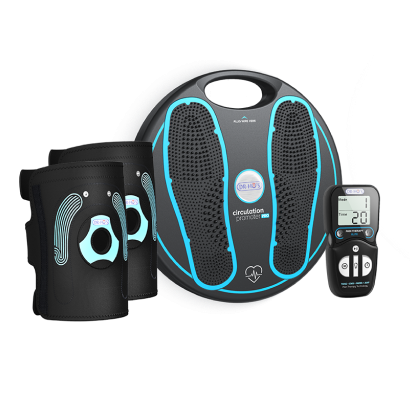
Understanding the concept of multi-modal therapy is one thing. Seeing how it's implemented in an actual device is what transforms that knowledge into practical pain relief. This is where DR-HO'S proprietary AMP 4-in-1 Technology represents a meaningful advancement in at-home pain management.

How DR-HO'S AMP Technology works
DR-HO'S devices integrate four distinct therapeutic modalities into a sophisticated system designed to work synergistically with your body's natural pain management and healing processes:
-
TENS (Transcutaneous Electrical Nerve Stimulation) sends low-voltage electrical impulses through your skin to stimulate sensory nerve endings and disrupt pain signals before they reach your brain, providing immediate relief. This foundational pain relief mechanism engages the gate control theory, helping block pain transmission while triggering your body's natural endorphin release.
-
EMS (Electrical Muscle Stimulation) causes muscles to contract and relax rhythmically, which can help release tight knots.
-
NMES (Neuromuscular Electrical Stimulation) targets specific nerve pathways for deeper muscle contractions, helping to re-educate muscles, increase local blood circulation, and improve range of motion.
-
Auto-Modulating Pulses continuously vary the electrical impulses across over 300 stimulation patterns to maintain the effectiveness of the therapy. This sophisticated variation prevents the nervous system accommodation that reduces effectiveness in standard TENS units. Your body doesn't have the opportunity to adapt to predictable stimulation because the patterns are constantly evolving in subtle, intelligent ways.
Why this combination delivers superior results
The power of DR-HO'S 4-in-1 AMP Technology lies not in any single component but in how these four modalities work together:
-
Comprehensive pain management approach: Rather than addressing only pain signal transmission, our technology works simultaneously with nerve stimulation, muscle function, circulation enhancement, and neuromuscular re-education. This multi-system approach provides more complete relief for complex pain conditions.
-
Prevention of therapeutic accommodation: The continuous variation provided by our Auto-Modulating Pulses ensures your body doesn't adapt to the stimulation, maintaining effectiveness over weeks, months, and years of use. This represents a fundamental advantage over basic TENS units that use static patterns.
-
Support for natural healing processes: By encouraging improved muscle function and temporarily increasing local circulation, our technology does more than just block pain signals—it supports your body's natural capacity for recovery and healing. Increased blood flow brings oxygen and nutrients to affected tissues while facilitating the removal of metabolic waste products.
-
Clinical-grade construction: All DR-HO'S devices are FDA and Health Canada cleared, meaning they've undergone rigorous evaluation to verify they meet strict standards for safety and effectiveness. We use medical-grade components designed to provide reliable, consistent stimulation over thousands of treatment sessions.
Long-term use considerations
A TENS device can be integrated into long-term pain management and wellbeing strategies. Because TENS therapy is so adaptable, many households keep a TENS device at hand as a ‘first aid’ solution to treat pain and offer ongoing, effective pain relief for chronic conditions.
If you’re nervous about trying a TENS device, discuss it with your healthcare provider. It’s important to have realistic expectations for any new treatment, and TENS therapy does not necessarily replace other treatment protocols.
Here are some of the long term considerations when choosing a TENS device:
-
Sustained effectiveness over time: One of the most frustrating experiences with basic TENS units is the diminishing returns many users experience. Initial relief gives way to reduced effectiveness as the nervous system adapts to repetitive stimulation patterns. Devices with auto-modulating technology maintain therapeutic benefits over extended periods because they prevent this accommodation. For anyone managing chronic pain, sustained effectiveness isn't just a nice feature—it's essential for a viable long-term pain management strategy.
-
Cost-effectiveness: While advanced TENS devices carry higher upfront costs, examining total cost of ownership reveals a different picture. Budget units often require frequent electrode replacements (cheaper adhesives wear out faster), ongoing battery purchases, and sometimes device replacement when lower-quality components fail. DR-HO'S rechargeable systems use medical-grade electrodes that last significantly longer, eliminate battery costs, and are built with components designed for years of reliable service. The per-use cost over a device's lifetime often favors quality technology.
-
Versatility for changing pain patterns: Pain conditions evolve. What begins as acute back pain might transition to chronic discomfort with different characteristics. Sports injuries heal and new ones occur. Multi-modal devices provide the flexibility to address various pain types and locations without requiring multiple specialized units. This versatility becomes increasingly valuable over years of use.
-
Quality and durability: Medical-grade construction isn't just about current performance—it's about reliable function over thousands of treatment sessions. Budget TENS units may work adequately when new, but component quality affects how they perform after months or years of regular use. DR-HO'S devices are engineered as long-term pain management solutions designed to deliver consistent therapeutic benefits well into the future.
The practical implications are clear: For acute or chronic conditions, complex pain patterns, or anyone seeking a reliable long-term pain management solution, the differences between basic TENS and advanced multi-modal technology translate directly into more effective, sustained pain relief.
How to evaluate TENS units: Your buyer's checklist
|
Question |
Why it matters |
|
Does it offer only TENS, or multiple therapeutic modalities? |
Single-modality devices provide nerve stimulation alone. Multi-modal systems combine TENS with complementary therapies like EMS and NMES for a more comprehensive approach to pain management. For complex or chronic pain conditions, multi-modal capability represents a significant advantage. |
|
Does it use auto-modulating pulses to prevent adaptation? |
Static stimulation patterns can lose effectiveness as your nervous system adapts over time. Devices with auto-modulating technology continuously vary their electrical impulses to maintain therapeutic benefits throughout extended use. This feature is particularly important for anyone managing ongoing pain conditions. |
|
Is it FDA and/or Health Canada cleared? |
Regulatory clearance indicates the device has undergone rigorous evaluation to verify it meets established standards for safety and effectiveness. While clearance doesn't guarantee results, it does provide important assurance that medical authorities have reviewed the device's design and performance. |
|
What's the electrode quality and replacement cost? |
Electrode quality significantly affects both treatment effectiveness and long-term costs. Medical-grade electrodes with superior adhesives last longer and maintain better skin contact than generic alternatives. Calculate the ongoing cost of electrode replacement—cheap electrodes that require frequent replacement may cost more long-term than quality options. |
|
Is it rechargeable or battery-operated? |
Rechargeable devices eliminate the ongoing expense and inconvenience of battery replacement while ensuring consistent power delivery. Battery-operated units may have lower upfront costs but often cost more over their lifetime due to continuous battery purchases. |
|
Does it have sufficient intensity for therapeutic benefit? |
Some budget TENS units lack adequate power for truly therapeutic stimulation, particularly for deeper tissues or larger muscle groups. Devices should offer adjustable intensity ranges that allow you to find effective settings for your specific needs. |
|
What's the warranty and company reputation? |
Warranty length often reflects manufacturer confidence in their product's durability. Established companies with strong reputations typically provide better customer support and stand behind their devices with meaningful warranty coverage. |
|
Are there pre-programmed protocols or just manual settings? |
Pre-set treatment programs take the guesswork out of therapy, particularly for new users. The best devices combine automatic programs with manual customization options, allowing you to benefit from professional protocols while maintaining the flexibility to adjust settings as you gain experience. |
Red flags to watch for
-
❌ Suspiciously low prices that seem too good to be true (they usually are)
-
❌ Lack of clear information about FDA or Health Canada clearance
-
❌ Vague descriptions of technology without explaining actual therapeutic modalities
-
❌ No information about electrode quality or replacement costs
-
❌ Claims that seem exaggerated or promise unrealistic results
-
❌ Poor customer reviews citing reliability issues or inadequate customer service
-
❌ Limited or no warranty coverage
Making an informed decision
The question "Are all TENS units the same?" has a clear answer: No—and understanding why those differences matter is crucial for making an informed purchase decision.
The differences between basic TENS and advanced technology aren't cosmetic or marketing—they're substantive variations in therapeutic capability that translate directly into real-world pain relief outcomes. For anyone managing ongoing pain conditions or seeking a reliable long-term solution, investing in quality multi-modal technology provides significantly better value than repeated purchases of budget devices that disappoint with limited results.
When you're ready to move beyond basic electrical stimulation to genuinely comprehensive pain management support, DR-HO'S devices offer FDA and Health Canada-cleared technology that combines sophisticated multi-modal therapy with medical-grade construction—engineered to provide consistent, effective temporary relief for years to come.
Disclaimer: DR-HO'S content is intended for informational purposes only and should not be taken as medical advice. Please consult a certified medical professional for diagnosis and treatment recommendations.